Mini Ham and Swiss Party Sandwiches

There are party snacks… and then there are mini ham and Swiss sandwiches that disappear the moment they hit the table. Warm, melty, buttery, slightly sweet, and irresistibly savory, these little sliders have a way of turning any gathering into a celebration. Whether you’re hosting a casual game night, a holiday spread, or simply looking for a comforting, crowd-pleasing snack, this unique recipe turns a classic idea into something unforgettable.

What sets this version apart is the layered flavor infusion—a buttery glaze scented with Dijon, smoked paprika, caramelized onions, and just a hint of honey. Each sandwich bakes until the cheese melts into silky ribbons and the tops become golden, glossy, and lightly crisp. The result? A perfect bite: soft inside, flavorful in the middle, and just the right amount of crunch on top.

Ingredients (Makes 12 Mini Sandwiches)

For the Sandwiches

  • 12 soft slider rolls or small dinner rolls

  • 10–12 slices of quality smoked ham (thinly sliced)

  • 6 slices Swiss cheese (cut each slice in half)

  • 2 tbsp mayonnaise

  • 2 tsp Dijon mustard

  • 1 small onion, finely sliced

  • 1 tbsp butter (for caramelizing onion)

  • 1 pinch black pepper

For the Buttery Glaze

  • 5 tbsp melted butter

  • 1 tbsp Dijon mustard

  • 1 tsp honey

  • ½ tsp smoked paprika

  • ½ tsp garlic powder

  • 1 tsp poppy seeds

  • A small pinch of salt

Step-by-Step Instructions

1. Caramelize the Onion (Key Flavor Step!)

This is the ingredient that makes your sliders taste gourmet.

  1. Heat 1 tablespoon butter in a small skillet over medium-low heat.

  2. Add the sliced onion and a pinch of salt.

  3. Cook slowly for 10–12 minutes until soft, golden, and sweet.

Set aside to cool. This adds depth and a rich savory sweetness many slider recipes miss.

2. Prepare the Rolls

Use soft, slightly sweet rolls (Hawaiian-style or any enriched brioche-type dinner roll).

  1. Without separating the rolls, slice the entire set horizontally to create one big “top” and one big “bottom.”

  2. Place the bottom half in a buttered or parchment-lined baking dish.

3. Spread the Savory Base Layer

Mix the mayonnaise, Dijon, and a pinch of pepper into a thin spreadable sauce.

Brush this mixture all over the cut side of the bottom half of the rolls.
This creates moisture, flavor, and keeps the bread tender even after baking.

4. Layer the Ham and Swiss

To ensure even melting and flavor:

Ham:

Fold each slice slightly so it has a little lift and texture. Layer generously.

Swiss Cheese:

Lay the half-slices across the ham so everything is covered.
You want a full, rich blanket that melts evenly.

Caramelized Onions:

Scatter your cooled onions in a thin layer over the cheese.

Place the top half of the rolls back on.

5. Make the Buttery Glaze (The Magic!)

In a bowl, whisk together:

  • Melted butter

  • Dijon

  • Honey

  • Smoked paprika

  • Garlic powder

  • Poppy seeds

  • Pinch of salt

This glaze gives the sandwiches their shine, aroma, richness, and signature flavor.

6. Brush Generously

Using a pastry brush, coat the tops of the rolls with the entire batch of glaze.
Let it drip into the sides — that’s the best part!

Cover with foil and let sit for 5–10 minutes so the flavors soak in.

7. Bake

Bake in a 350°F (175°C) oven:

  • Covered: 15 minutes (to melt the cheese fully).

  • Uncovered: 7–10 minutes (to crisp and brown the tops).

When done, the cheese will be beautifully melted and the tops will be golden and fragrant.

8. Slice & Serve

Remove from the oven and let rest for 5 minutes.
Then slice into individual sandwiches using a sharp knife.

Serve warm — they go fast, so you might want to double the recipe!

Why This Recipe Is Special (Unique Details)

1. The Caramelized Onion Layer

Many ham & Swiss sliders use raw onion or onion flakes, but caramelizing creates a sweet-savory depth that tastes like something from a bakery rather than a quick snack.

2. Smoked Paprika in the Glaze

This adds warmth and a smoky aroma that pairs perfectly with ham.

3. Balanced Sweetness

Just a teaspoon of honey gives the glaze a subtle richness without making the sandwiches taste sugary.

4. Two-Step Baking Method

Covering first melts the cheese into silky layers.
Uncovering afterward adds the perfect amount of crispness.

5. Soft Yet Flavor-Soaked Rolls

Letting the glaze sit on them before baking makes the rolls tender, buttery, and deeply seasoned.

Serving Ideas

These mini sandwiches pair beautifully with:

  • Creamy pasta salad

  • Pickles or dill chips

  • A simple garden salad

  • Tomato basil soup

  • Roasted potato wedges

And of course — they are perfect for holidays, potlucks, birthdays, football parties, or late-night snacking.

Storage & Reheating

If you somehow have leftovers:

  • Store in an airtight container for up to 2 days.

  • Reheat at 300°F (150°C) for 8–10 minutes.

They reheat surprisingly well thanks to the melted butter and cheese.

Slow Cooker Cowboy Casserole

There’s something timeless about a meal that feels like it could have been simmering on the edge of a campfire in the old American West. Slow Cooker Cowboy Casserole is exactly that kind of dish—hearty, rustic, and satisfyingly robust, built from simple pantry staples that transform into a comforting, stick-to-your-ribs dinner. But this version takes it a notch higher. It’s richer, creamier, layered with bold flavors, and made with modern convenience while preserving the rugged spirit of cowboy cooking. Whether you’re feeding a hungry family, stocking up for leftovers, or craving a cozy, slow-cooked meal, this unique recipe is designed to deliver maximum flavor with minimal effort.

Why This Cowboy Casserole Is Special

Most cowboy casserole recipes rely only on beans, potatoes, and meat. This one upgrades the flavor profile dramatically by adding smoky peppers, creamy ranch seasoning, buttery potatoes, and a thick, velvety sauce that forms naturally as everything slow-cooks. Instead of mixing everything at once, we build the casserole in layers so each ingredient keeps its texture and the final dish has more depth. The result is a luxurious yet down-home meal that tastes like it came straight from a cast-iron pot on a prairie trail.

Ingredients (Serves 6–8)

Base Layers

  • 1 lb (450g) ground beef

  • 1 medium onion, diced

  • 3–4 garlic cloves, minced

  • 4 large russet potatoes, sliced into 1/4-inch rounds

  • 1 green bell pepper, diced

  • 1 red bell pepper, diced

  • 1 can (15 oz) baked beans or kidney beans (drained if not baked beans)

  • 1 cup frozen corn

  • 1 can (10.5 oz) cream of mushroom soup

  • 1 cup beef broth

  • 1 packet ranch seasoning (or 2 tbsp homemade mix)

  • 1 tsp smoked paprika

  • 1/2 tsp chili powder

  • 1/2 tsp black pepper

  • 1/2 tsp salt (adjust to taste)

  • 1 tbsp Worcestershire sauce

Finish

  • 1 1/2 cups shredded cheddar cheese

  • 2 tbsp chopped chives or green onions

  • Optional: crispy fried onions or jalapeños for topping

Step-by-Step Instructions

1. Brown the Beef for Extra Flavor

In a skillet over medium heat, cook the ground beef until it’s no longer pink. Add the diced onion and minced garlic, cooking until the onions become soft and fragrant. Drain any excess fat.
This step deepens the flavor dramatically—raw ground beef won’t give the same richness.

2. Prepare the Slow Cooker Base

Lightly grease the inside of your slow cooker with butter or nonstick spray. Start by spreading half of the potato slices across the bottom to form a stable base. Season this layer with light salt and pepper.
These potatoes act like the “foundation” of the casserole.

3. Layer Like a Cowboy Lasagna

Add ingredients in this order:

  1. Half of the cooked beef mixture

  2. Half of the diced peppers

  3. Half of the corn

  4. Half of the beans

  5. Remaining potato slices

  6. Remaining beef, peppers, corn, and beans

The layering preserves texture while allowing the flavors to slowly mingle over hours.

4. Make the Cowboy Sauce

In a mixing bowl, whisk together:

  • Cream of mushroom soup

  • Beef broth

  • Ranch seasoning

  • Smoked paprika

  • Chili powder

  • Worcestershire sauce

Pour this mixture evenly over the layers. It will seep down gradually, creating a creamy, savory sauce that binds everything together.

5. Slow Cook to Perfection

Cook on LOW for 6–7 hours or HIGH for 3–4 hours, depending on your schedule. Avoid stirring!
You’ll know it’s done when the potatoes are fork-tender and the kitchen smells like an old-fashioned ranch house.

6. Add the Cheesy Campfire Finish

During the last 15 minutes of cooking, sprinkle shredded cheddar cheese over the top. Cover again until it melts into a golden, bubbling blanket.
Finish with chives, green onions, or crispy fried onions for texture.

Serving Suggestions

Serve generous spoonfuls in deep bowls, because this casserole is meant to be hearty. Pair it with:

  • warm cornbread

  • a crisp green salad

  • sour cream or jalapeño slices

  • pickles (surprisingly perfect with it!)

It also reheats beautifully, making it ideal for meal prep or second-day lunches.

Why This Recipe Works So Well (The Unique Twist Explained)

This version of cowboy casserole works because it honors traditional ingredients while adding layers of flavor cowboys didn’t have—but wish they did. The ranch seasoning adds tang and depth; smoked paprika brings fire-side smokiness without actual smoke; and the cream-based sauce helps the potatoes stay moist while thickening into a luscious gravy. The layering technique is the secret—each ingredient cooks at its own pace but ends up blending harmoniously. The peppers stay slightly firm, the potatoes soften without falling apart, and the beef melts into the sauce.

This casserole also captures the spirit of old western meals: resourceful, simple, slow-cooked, and comforting. Cowboys needed meals that were high-energy, filling, and easy to prepare over low heat for hours—this recipe delivers that, upgraded for modern kitchens.

Storage Tips

  • Refrigerator: Up to 4 days, covered

  • Freezer: Freezes well for 2–3 months

  • Reheat: Microwave or warm gently in a skillet

Add a splash of broth if reheating makes it too thick.

Final Thoughts

Slow Cooker Cowboy Casserole is more than a recipe—it’s a warm embrace in food form. It’s the kind of dish that turns a cold evening cozy, fills a kitchen with rich aromas, and gathers everyone around the table without fuss. With its creamy sauce, hearty layers, and comforting flavors, this unique recipe brings the rustic charm of cowboy cooking right into your home.

Creamsicle Orange Sugar Cookies

There are desserts that taste good… and then there are desserts that take you straight back to childhood. Creamsicle Orange Sugar Cookies do exactly that. One bite and you’re standing outside again, sun beating down, holding a cold orange creamsicle that drips onto your fingers before you can catch it. This recipe captures that memory in cookie form—soft, thick, tender, and bursting with a dreamy blend of citrus and vanilla cream. They’re nostalgic, refreshing, and different from every “plain sugar cookie” you’ve ever tasted.

What makes them truly unique is the triple-layer citrus infusion: fresh orange zest, freshly squeezed orange juice, and a touch of natural orange extract. Combine that with a velvety vanilla cream glaze and you have a cookie that is bright, fragrant, and simply unforgettable. Let’s bake the magic.

Ingredients

For the Cookies

  • 2 ¾ cups all-purpose flour

  • 1 teaspoon baking soda

  • ½ teaspoon baking powder

  • ½ teaspoon salt

  • 1 cup unsalted butter, softened

  • 1 ½ cups granulated sugar

  • 1 large egg

  • 1 egg yolk

  • 1 tablespoon orange zest (fresh!)

  • 3 tablespoons fresh orange juice

  • 1 teaspoon orange extract (or extra zest if not using extract)

  • 1 tablespoon vanilla extract

  • Optional: orange food coloring for that creamsicle hue

For the Creamsicle Glaze

  • 1 ¼ cups powdered sugar

  • 2 tablespoons melted butter

  • 1–2 tablespoons orange juice (to thin)

  • 1 teaspoon vanilla extract

  • ½ teaspoon orange zest

Instructions

1. Create the Citrus Base

In a bowl, combine the flour, baking soda, baking powder, and salt. Whisk and set aside. This is your structure—simple but important.

Now in a large mixing bowl, cream the butter and sugar until pale and fluffy. This step is essential. You’re not just mixing; you’re whipping tiny air bubbles into the butter so your cookies bake soft and tender instead of flat and dense.

Add the egg and the yolk. Why the extra yolk? Because adding one yolk without the white makes the cookies richer, softer, and more melt-in-your-mouth.

Mix in the orange zest, orange juice, orange extract, and vanilla. Take a moment and inhale—this scent alone will convince you these cookies are going to be amazing.

2. Build the Dough

Slowly add your dry mixture into the butter mixture. Mix until the dough comes together. It will be soft, slightly sticky, and fragrant. If you want that signature creamsicle color, add a drop or two of orange food coloring.

Cover the bowl and let the dough rest in the fridge for 30 minutes. This prevents spreading and intensifies the citrus flavor.

3. Roll & Bake

Preheat your oven to 350°F (175°C). Line a baking sheet with parchment paper.

Roll the dough into balls, about 1 ½ tablespoons each. You can roll them in sugar for an extra sparkle if you want a crispy edge.

Bake for 9–11 minutes, or until the centers are just barely set. The cookies should look puffy—not brown. They continue cooking as they cool, so resist the temptation to overbake.

Let them cool completely before glazing.

4. Make the Creamsicle Glaze

In a small bowl, whisk the powdered sugar, melted butter, orange juice, orange zest, and vanilla. Add more powdered sugar for thickness or more juice for a thinner drizzle.

Spoon or drizzle the glaze over each cooled cookie. The creamy vanilla-orange topping completes the classic creamsicle flavor.

Why These Cookies Are So Special 

Creamsicle Orange Sugar Cookies aren’t just another cookie on the tray—they’re the softest bite of sunshine you’ll ever bake. What makes this recipe special is how it transforms an iconic summer treat into something you can enjoy year-round. Most citrus cookies rely on extract alone or just zest, but this recipe uses all three: zest, juice, and extract. That combination brings a bold, bright, natural flavor that tastes like orange but not artificial or candy-like.

Another key detail is the texture. These cookies aren’t crispy. They’re cloud-soft in the center, slightly chewy around the edges, and perfectly puffy. The mix of whole egg and extra yolk boosts richness while the chilled dough prevents spreading, giving you that perfect bakery-style height.

But the true magic? The glaze. Instead of a plain powdered sugar drizzle, this glaze is designed to taste like the creamy center of a creamsicle pop. Melted butter gives it body, orange zest adds brightness, and the vanilla pulls everything together. When it sets, it creates a glossy, creamy shell that makes every bite taste balanced and smooth—bright citrus meets velvety vanilla, just like the classic frozen treat.

These cookies also have a nostalgic charm. They remind people of childhood summers, ice cream trucks, or sneaking into the freezer after dinner. Yet they’re sophisticated enough to serve at parties, holidays, or even as a gift. Their scent fills the kitchen with sunshine, and their color—especially with a bit of food coloring—is cheerful, warm, and inviting.

Unlike many orange cookies that become dry after a day, these stay soft for several days thanks to the yolk and citrus juice. In fact, they often taste even better the next day as the flavors settle into the dough.

You can dress them up with extra zest, use them as sandwich cookies with vanilla buttercream, or even drizzle them with white chocolate. But honestly? They’re perfect exactly as written.

Classic Pig Pickin Cake

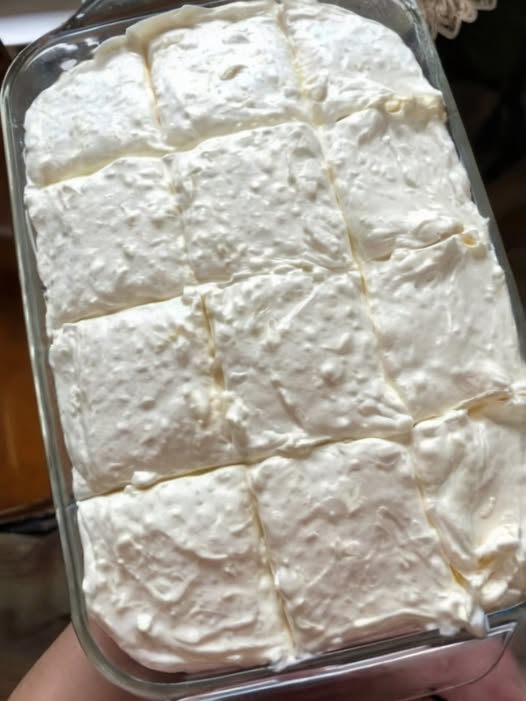
Among the many beloved desserts in Southern kitchens, the Classic Pig Pickin’ Cake holds a special place. Originally popular at outdoor pig roasts (known as “pig pickins”), this cake became the star of the table not because it was complicated, but because it was effortlessly refreshing. With its bright mandarin oranges, fluffy pineapple cream frosting, and sunshine-yellow crumb, it’s the kind of cake that makes you smile before you even take the first bite. This unique recipe elevates the traditional version with deeper citrus notes, a softer crumb, and a frosting so airy that it feels like eating a sweet, tropical cloud.

Why This Pig Pickin’ Cake Stands Out

This recipe is crafted to stay true to Southern charm but includes subtle upgrades:

  • Fresh orange zest to enhance citrus fragrance

  • A softer, richer cake texture

  • A beautifully stable pineapple-whipped frosting

  • Balanced sweetness—light, fruity, never heavy

It’s the perfect dessert for warm weather, birthdays, potlucks, BBQs, or any time you want to bring a burst of sunshine to the table.

Ingredients

For the Cake

  • 1 box yellow cake mix

  • 4 large eggs

  • ½ cup vegetable oil

  • 1 cup mandarin oranges (with juice), lightly mashed

  • ½ cup sour cream

  • 1 tsp orange zest (optional but highly recommended)

  • 1 tsp vanilla extract

For the Pineapple Whipped Frosting

  • 1 can (20 oz) crushed pineapple with juice

  • 1 package (3.4 oz) instant vanilla pudding mix

  • 1 tub (8 oz) whipped topping (Cool Whip-style)

  • 1 tsp lemon zest (optional)

For Decoration

  • Extra mandarin orange slices

  • Pineapple tidbits

  • Toasted coconut (optional but wonderful)

Instructions

1. Prepare the Cake Batter

In a large mixing bowl, combine the yellow cake mix, eggs, oil, sour cream, vanilla, and fresh orange zest. Mix until smooth and creamy. Add the lightly mashed mandarin oranges with their juice, folding gently so the pieces stay visible in the final cake. These oranges not only add flavor, but their natural acidity keeps the cake tender and moist.

2. Bake to Golden Perfection

Grease two 9-inch round cake pans or a single 9×13-inch dish. Pour in the batter and bake at 350°F (175°C) for 22–28 minutes. The cakes should be lightly golden and spring back when touched. Allow them to cool completely before frosting—this is crucial because warm cake will melt the whipped topping.

3. Create the Signature Frosting

In a large bowl, mix the crushed pineapple (juice included) with the instant pudding mix. Let it sit for 3–5 minutes until it thickens slightly. Fold in the whipped topping gently to create a fluffy, creamy pineapple cloud. Add lemon zest if you want a brighter citrus pop.

4. Assemble the Cake

Once the cakes have cooled fully, spread a thick layer of frosting between them. Add the top layer and generously frost the entire cake. Pig Pickin’ Cake is meant to look soft and rustic—not stiff or overly decorated. Its charm lies in its natural beauty and fluffy topping.

5. Chill Before Serving

Refrigerate for at least 2 hours before slicing. This allows the flavors to come together and the frosting to thicken and cling beautifully to the cake layers.

Serving Suggestions

A Pig Pickin’ Cake is irresistible straight from the fridge. Serve chilled with:

  • Additional mandarin slices arranged like sunbursts

  • Pineapple tidbits scattered over the top

  • A sprinkle of toasted coconut for a gentle tropical finish

  • A dollop of whipped cream for extra sweetness

This cake pairs wonderfully with iced tea, lemonade, BBQ spreads, and summer picnics.

Chef’s Secrets for a Perfect Cake

1. Use the Mandarin Juice

Never drain the juice—it’s the secret to the cake’s signature moisture and citrus punch.

2. Don’t Overmix

Overmixing can make the cake dense. Fold ingredients gently for a soft, tender crumb.

3. Let the Frosting Set

Pineapple frosting firms up beautifully when chilled. This makes cutting cleaner slices easier.

4. Add Sour Cream for Depth

Sour cream adds richness and keeps the cake moist for days.

5. Flavor Boosters

  • A splash of pineapple juice in the batter

  • A teaspoon of orange extract for a fragrant punch

  • Shredded coconut folded into the frosting for texture

Why This Cake Has Stayed a Southern Icon

Classic Pig Pickin’ Cake became famous because it fit every occasion. It’s inexpensive, easy to prepare, feeds a large crowd, and tastes like sunshine. Its soothing combination of citrus and creamy pineapple feels almost nostalgic—a reminder of porch swings, summer breezes, and handwritten recipes passed from one generation to the next.

This unique version stays true to tradition while upgrading the flavor to make it even more refreshing and memorable. It’s the kind of dessert you bring once and instantly become “the one who makes that amazing orange-pineapple cake.”

Final Thoughts

If you’re looking for a dessert that is light yet memorable, refreshing yet comforting, and simple yet deeply flavorful, this Classic Pig Pickin’ Cake is the perfect choice. Every bite offers a burst of citrus, a hint of pineapple, and a soft, tender crumb that melts on the tongue. One slice never feels like enough—especially when it’s served cold on a hot afternoon.

Southern Sausage Biscuits

There’s something deeply comforting about warm biscuits straight from the oven, especially when they’re stuffed or topped with savory, peppery Southern-style sausage. This unique Southern Sausage Biscuits recipe blends buttery homemade biscuits with a richly seasoned sausage filling that melts into every layer. It’s hearty enough for a weekend breakfast, traditional enough for Sunday brunch, and easy enough to whip up for busy mornings. What makes this version special is its layered technique: instead of simply placing sausage on top, we fold the flavor right into the dough, giving each bite a balanced combination of soft biscuit crumb, savory sausage, and a hint of sweetness and spice.

These biscuits bake tall and golden, with soft interiors and crisp, buttery edges. They also reheat beautifully, making them perfect for meal prep. Whether you prefer dunking them in gravy, enjoying them plain, or slicing and stuffing with cheese, this recipe will quickly become a Southern favorite in your kitchen.

Ingredients

For the Sausage Filling

  • 1 lb (450g) breakfast sausage (mild or hot, your choice)

  • 1 small onion, finely chopped

  • 1–2 cloves garlic, minced

  • 1 tsp black pepper

  • ½ tsp smoked paprika

  • ½ tsp dried thyme

  • ½ tsp chili flakes (optional for heat)

  • 1 tbsp brown sugar (optional but adds signature Southern depth)

For the Biscuit Dough

  • 2 ½ cups all-purpose flour

  • 1 tbsp baking powder

  • ½ tsp baking soda

  • 1 tsp salt

  • 1 tbsp sugar

  • ½ cup (1 stick / 113g) cold unsalted butter, cubed

  • 1 cup cold buttermilk

  • Extra flour for kneading

  • 2 tbsp melted butter (for brushing)

Step-By-Step Instructions

1. Cook the Sausage Filling

  1. Heat a skillet over medium-high.

  2. Add sausage and break it apart using a wooden spoon.

  3. When halfway cooked, add onion, garlic, pepper, paprika, thyme, chili flakes, and brown sugar.

  4. Cook until the sausage browns and onion softens.

  5. Drain excess fat and let the mixture cool completely (very important so it doesn’t melt your biscuit butter).

2. Make the Biscuit Dough Unique Tip:
Cooling the filling intensifies flavor and prevents soggy dough.

  1. Preheat oven to 220°C / 425°F.

  2. In a large bowl, whisk flour, baking powder, baking soda, salt, and sugar.

  3. Add the COLD butter cubes and cut them into the flour using your hands or a pastry cutter until it resembles coarse crumbs.

  4. Pour in the cold buttermilk and gently mix until a shaggy dough forms — do not overmix.

Unique Tip:
If your kitchen is warm, freeze the butter for 10 minutes before using. Bigger cold butter chunks = fluffier biscuits.

3. Layer in the Sausage

  1. Sprinkle flour on a clean surface.

  2. Turn out the dough and pat gently into a rectangle.

  3. Spread half of the cooled sausage mix onto the dough.

  4. Fold the dough like a letter (into thirds).

  5. Pat it out again and repeat with the remaining sausage.

  6. Fold once more and gently pat to 1-inch thickness.

This layering technique embeds sausage evenly throughout the biscuit, giving a unique marbled flavor.

4. Cut and Bake

  1. Using a round cutter or a glass, cut out biscuits (don’t twist the cutter — this helps them rise taller).

  2. Place biscuits on a baking tray so they touch slightly (this gives fluffy sides).

  3. Brush tops with melted butter.

  4. Bake 15–18 minutes until golden brown.

5. Serve Warm

Southern Sausage Biscuits are best enjoyed fresh. Serve with:

  • Honey butter

  • Spicy maple syrup

  • Cheddar slices

  • Country gravy

  • Fried eggs

Or simply enjoy them warm as they are — buttery, savory, irresistible.

Why This Recipe Is Unique

Sausage is layered into the dough, not just placed on top

This ensures every bite is flavorful and prevents dry spots.

A touch of brown sugar & thyme

Adds depth and a classic Southern aroma.

Cold-butter lamination technique

Creates tall, bakery-style layers.

Balanced seasoning

This version avoids overly salty sausage biscuits by blending the flavors into the dough rather than overwhelming it.

Storage & Reheating

  • Fridge: 4 days in airtight container

  • Freezer: Up to 2 months

  • Reheat: 10 minutes in oven at 180°C / 350°F

  • Microwave: 20–25 seconds (but oven keeps them crisp)

Meal Prep Tip: Bake and freeze the biscuits, then microwave a sausage patty or cheese slice and assemble fresh.

Optional Variations for Extra Flavor

  • Add shredded cheddar to the dough.

  • Replace sausage with spicy chorizo for a bold twist.

  • Brush tops with garlic butter.

  • Add fresh herbs like parsley or chives.

  • Make mini versions for parties or brunch tables.

Final Thoughts

These Southern Sausage Biscuits are more than just a breakfast — they’re a warm, homestyle experience wrapped in layers of golden, buttery goodness. The unique layering technique infuses the dough with savory pockets of sausage and spices, creating a rich flavor without extra grease. If you love Southern comfort food, these will become your new favorite item to bake again and again.

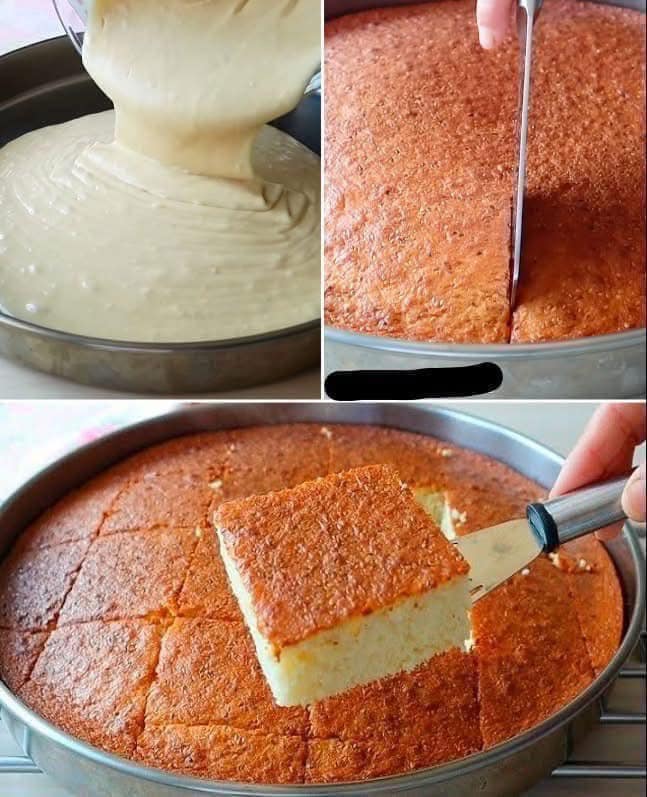
Diabetic Soft & Fluffy Homemade Milk Cake

Milk cake is a treasured classic—soft, creamy, slightly caramelized, and wonderfully comforting. But for people managing diabetes, traditional milk cake can be problematic because it uses large amounts of sugar, khoya, and ghee. This version transforms the beloved sweet into a guilt-free, low-glycemic, softer, fluffier treat that still captures the nostalgic flavor without spiking blood sugar levels. The secret: slow-reduced milk, natural sweeteners, moisture-locking ingredients, and a careful balance of fats and proteins.

This diabetic-friendly milk cake uses almond flour, stevia or monk fruit, and a gentle simmering technique that gives the cake a light, melt-in-the-mouth texture. Unlike traditional dense burfi-style milk cake, this is softer, more airy, and almost cloud-like, making it perfect for people craving sweetness without health risks.

Let’s dive into the full recipe.

 Ingredients (For 12 Soft Squares)

Dry Ingredients

  • 1 cup almond flour (gives softness and keeps GI low)

  • ½ cup skim milk powder (adds richness without extra fat)

  • ¼ tsp baking powder (helps the cake rise and stay fluffy)

  • 1 pinch cardamom powder

  • 1 pinch salt

Wet Ingredients

  • 1 cup milk (low-fat or unsweetened almond milk)

  • 2 tbsp unsalted butter or ghee (diabetic-safe portion)

  • ⅓ cup powdered erythritol, monk fruit sweetener, or stevia blend

  • 1 tsp vanilla extract

Optional Top Layer

  • 1 tbsp crushed pistachios (optional, adds crunch without spiking sugar)

  • 1–2 drops of kewra essence (for a traditional aroma)

 Why This Milk Cake Is Diabetic-Friendly

  • No refined sugar – uses natural low-cal sweeteners.

  • Low glycemic ingredients – almond flour, low-fat milk, no maida.

  • High protein + healthy fats – stabilizes blood sugar and digestion.

  • Less ghee – keeps calories lower but flavor high.

  • No syrup soaking – unlike traditional versions that use sugar syrup.

This combination keeps the cake soft, moist, and safe for diabetic diets (in moderation).

 Step-by-Step Unique Preparation Method

1. Prepare the Milk Base (The Secret to Fluffiness)

In a heavy pan, add:

  • 1 cup milk

  • 2 tbsp butter or ghee

Heat on low flame until the butter melts and the milk gets slightly warm.
Do not boil—gentle heating helps dissolve sweetener smoothly.

Add your sweetener (erythritol or monk fruit) and whisk until fully melted.
Unlike sugar, these sweeteners dissolve better in warm—not hot—liquid.

2. Mix Dry Ingredients Separately

In a bowl, whisk:

  • Almond flour

  • Milk powder

  • Baking powder

  • Cardamom

  • Salt

Whisking aerates the mixture, helping your cake stay soft and preventing heavy texture.

3. Combine Wet & Dry Mixtures

Slowly pour the warm milk mixture into the dry mixture while whisking.
The batter will be:

  • Smooth

  • Slightly thick

  • Rich and creamy

Add vanilla extract here.

This slow mixing technique prevents clumps and helps the cake rise evenly.

4. Rest the Batter – Important Step

Let the batter sit for 10 minutes.

This gives almond flour time to:

  • Absorb moisture

  • Soften

  • Release natural oils

This step is crucial for the softest, fluffiest milk cake texture.

5. Cook the Milk Cake

Grease a small baking tray or metal container.

Pour batter in and tap the container to remove air bubbles.

Now you have two cooking options:

Option A: Steam (Softest Result)

  • Steam on low flame for 20–25 minutes.

  • Check doneness with a toothpick.

Option B: Bake

  • Bake at 160°C (320°F) for 20–22 minutes.

  • Keep the cake pale—it should NOT brown too much.

Steaming gives a more traditional milk cake softness, so it’s highly recommended.

6. Set & Chill

Once cooked, let it cool completely.

For perfect texture:

  • Refrigerate for 2 hours.

  • This firms the cake just enough without making it dry.

Sprinkle pistachios or add a drop of kewra essence for aroma.

7. Cut Into Squares

Using a warm knife, slice your milk cake into 12 neat squares.
Each piece is:

  • Light

  • Soft

  • Slightly chewy

  • Aromatic

  • Diabetic-friendly

 Texture Guide

If made correctly:

  • The top will be pale and smooth.

  • The inside will be fluffy like a light milk sponge.

  • Mild cardamom aroma enhances sweetness.

  • Soft enough to melt in your mouth but firm enough to hold shape.

This version is not overly dense like traditional milk cake—it’s more cloud-like and refreshing.

 Storage

  • Refrigerate for 5 days

  • Freeze up to 1 month

  • Tastes even better the next day as flavors develop

 Nutritional Estimate (Per Piece)

  • Calories: 70–90

  • Net Carbs: 3–5g

  • Fat: 3–5g

  • Protein: 3–4g

  • Sugar: 0–1g

Safe for diabetics when eaten in moderation.

 Final Thoughts

This soft & fluffy diabetic milk cake is a perfect example of how traditional sweets can be transformed into healthier, lower-glycemic treats without losing charm or flavor. It gives you the nostalgic essence of milk cake, the aroma of cardamom, and the melt-in-the-mouth satisfaction—all while keeping your blood sugar steady.

Clove Tea Benefits, Recipes, and Precautions

Clove tea is one of those ancient remedies that modern wellness has rediscovered for good reason. This tiny, aromatic spice—used for centuries in Ayurveda, Chinese medicine, and traditional home healing—holds an impressive amount of power inside its small buds. When steeped into tea, cloves release essential oils, antioxidants, and medicinal compounds that support digestion, boost immunity, calm inflammation, and even fight infections. Whether you drink it as a soothing morning ritual or an after-meal digestive, clove tea may become one of the most comforting and healing brews in your kitchen.

Benefits of Clove Tea

1. Helps Fight Bacteria and Viruses

Cloves contain eugenol, a powerful compound known for its antimicrobial properties. Clove tea can help reduce harmful bacteria in the mouth and digestive tract, the same reason clove oil is used in dental care. Sipping it warm during cold and flu season also supports respiratory health.

2. Excellent for Digestion

Drinking clove tea after meals is a long-trusted remedy for:

  • Gas

  • Bloating

  • Nausea

  • Indigestion

Cloves stimulate digestive enzymes and calm the gut, making them perfect for people with sensitive stomachs or those prone to heaviness after eating.

3. Natural Anti-Inflammatory

Cloves are rich in antioxidants such as vitamin C and polyphenols that reduce oxidative stress. The anti-inflammatory effect may help with headaches, joint stiffness, muscle pain, and general fatigue.

4. Supports Blood Sugar Balance

Several studies show cloves may improve insulin sensitivity and lower blood glucose over time. While clove tea won’t replace medication, it can be a supportive drink for those watching their sugar levels.

5. Freshens Breath & Improves Oral Health

Clove tea works like a mild natural mouthwash. The warm infusion:

  • Reduces bacteria in the mouth

  • Freshens breath

  • Soothes toothache temporarily

  • Aids gum health

Just swish for a few seconds before swallowing.

6. Boosts Immunity Naturally

With its antiviral, antibacterial, and antioxidant profile, clove tea helps strengthen the immune system. It’s often used in winter for sinus congestion, throat pain, and mild infections.

Unique Clove Tea Recipe: Spiced Healing Clove & Orange Blossom Brew

This recipe blends cloves with orange peel, ginger, and a touch of honey to create a soothing, fragrant tea that tastes like wellness in a cup.

Ingredients

  • 6–8 whole cloves

  • 1 cup water

  • 1 small strip fresh orange peel (or ¼ tsp dried orange zest)

  • 3 thin slices fresh ginger

  • ½ cinnamon stick (optional, for deeper warmth)

  • 1 tsp honey or jaggery (optional)

  • 1–2 drops fresh lemon juice (for brightness)

Instructions

  1. Boil the spices:
    In a small pot, add water, cloves, ginger, orange peel, and cinnamon. Bring to a gentle boil.

  2. Simmer:
    Reduce heat and let the mixture simmer for 7–8 minutes. This step allows the essential oils from the cloves to infuse the tea richly.

  3. Strain:
    Strain into your favorite mug.

  4. Sweeten lightly:
    Add honey or jaggery if you prefer a sweet note.

  5. Finish with lemon:
    Add a drop or two of fresh lemon juice. This brightens the flavor and boosts vitamin C.

  6. Serve hot or warm.

Additional Clove Tea Variations

1. Clove & Mint Digestive Tea

Perfect after heavy meals

  • 5 cloves

  • Few mint leaves

  • 1 cup water
    Boil together for 5 minutes and serve.

2. Clove & Turmeric Immune Booster

Best for cold, cough, sore throat

  • 6 cloves

  • ¼ tsp turmeric

  • 1 slice ginger

  • Honey to taste

3. Clove Milk Tea (For Relaxation)

A soothing nighttime drink

  • Simmer 4 cloves in 1 cup milk

  • Add pinch cinnamon and honey

How Often Should You Drink Clove Tea?

Most people can safely enjoy clove tea 3–4 times per week.
For specific uses:

  • For digestion: 30 minutes after meals

  • For immunity: 1 cup daily during cold/flu season

  • For oral health: Sip and swish in the morning

Precautions & Possible Side Effects

Although cloves are natural, they are potent. Drinking too much can cause discomfort. Here are the key precautions:

1. Avoid Overconsumption

Too much clove tea may cause:

  • Mouth irritation

  • Heartburn

  • Lower blood sugar

Limit intake to 1–2 cups per day.

2. Not Suitable for People with Bleeding Disorders

Cloves naturally thin the blood. Anyone taking blood-thinning medication (like warfarin) should consult a healthcare professional.

3. Use Caution in Pregnancy

Occasional culinary amounts are fine, but concentrated clove tea should be used cautiously by pregnant or breastfeeding women unless advised by a doctor.

4. Avoid Giving to Small Children

Clove’s essential oils are strong and may irritate a child’s stomach.

5. Acid Reflux or Ulcers

People with severe acid reflux or stomach ulcers should start with weaker brews or avoid clove tea, as its strength may aggravate symptoms.

Final Thoughts

Clove tea is more than a comforting beverage—it’s a small daily ritual that supports digestion, immunity, energy, and overall well-being. The warmth, aroma, and healing power of this spice make every cup feel like a moment of self-care. Whether you drink it in the morning to awaken your system or at night to soothe your body, clove tea is a timeless, simple remedy worth adding to your wellness routine.

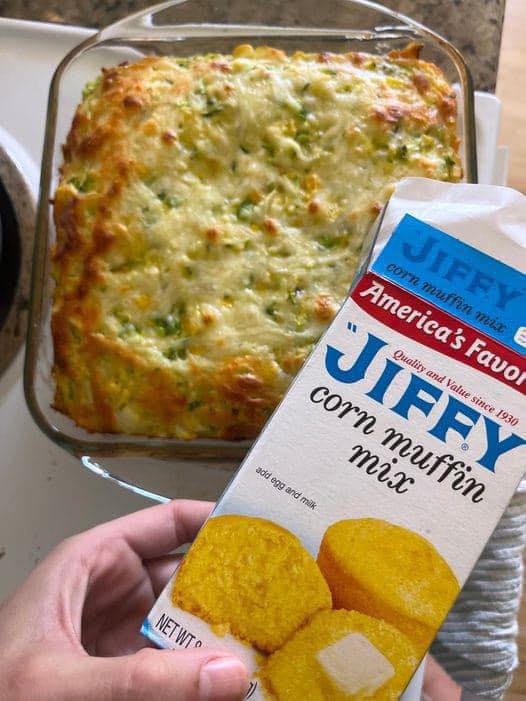
ZUCCHINI CORNBREAD CASSEROLE

If there’s one dish that can turn a simple weeknight dinner into a warm, comforting feast, it’s a well-made casserole—and this Zucchini Cornbread Casserole delivers exactly that. It’s the kind of recipe that sneaks vegetables into something delicious, turns basic pantry staples into a golden masterpiece, and fills the whole home with a buttery, cozy aroma. Soft, creamy, slightly sweet, and irresistibly savory, this casserole is perfect for family gatherings, potlucks, or even a holiday table. The magic lies in how the fresh zucchini melts into fluffy cornbread while cheese, onions, and spices fuse into a dish that feels familiar yet surprisingly unique.

Below is a full 800-word recipe including background, tips, step-by-step instructions, and a truly special twist to make your casserole unforgettable.


Why This Zucchini Cornbread Casserole Is So Special

Most cornbread casseroles rely heavily on creamed corn, butter, and boxed mix. While those classics are comforting, this version stands out because:

✔ Fresh zucchini adds moisture

It makes the casserole incredibly tender without being mushy.

✔ Real corn kernels add bursts of sweetness

Every bite has a pop of flavor and texture.

✔ A homemade flavor upgrade

Even though we use a cornbread mix for convenience, additions like sour cream, sharp cheddar, and seasoned sautéed onions make it taste like it came straight from a Southern kitchen.

✔ One bowl, one pan, zero stress

Perfect for busy nights or when you need a warm side dish fast.


🧺 Ingredients (Serves 8)

Dry + Mix Base:

  • 1 box (8.5 oz) Jiffy-style cornbread mix

  • 1 cup all-purpose flour

  • 1 teaspoon baking powder

  • ½ teaspoon baking soda

  • 1 teaspoon salt

  • ½ teaspoon black pepper

  • ½ teaspoon smoked paprika (optional but adds amazing depth)

Wet Ingredients:

  • 2 large eggs

  • ½ cup melted butter

  • 1 cup sour cream

  • ½ cup milk

  • 1 tablespoon honey (balances the zucchini perfectly)

Vegetables + Mix-ins:

  • 2 cups grated zucchini (no need to peel)

  • 1 cup corn kernels (fresh, frozen, or canned)

  • 1 medium onion, diced

  • 2 cloves garlic, minced

  • 1 ½ cups shredded sharp cheddar cheese

  • 2 tablespoons olive oil


🔪 Preparation Step-by-Step

1. Prep the zucchini the right way

This is the secret to avoiding a soggy casserole.

  • Grate the zucchini using the large holes of a box grater.

  • Place it in a clean kitchen towel or paper towel and squeeze out as much liquid as possible.

  • You don’t need it bone-dry, but removing the excess moisture ensures a perfectly fluffy cornbread texture.

2. Sauté the aromatics

In a skillet, heat olive oil and add diced onions. Cook for 3–4 minutes until soft and fragrant.
Add minced garlic and cook another 30 seconds.
This extra step adds a deeper savory flavor you’ll taste in every slice.

3. Mix dry ingredients

Combine cornbread mix, flour, baking powder, baking soda, salt, pepper, and smoked paprika in a bowl.
Whisk well to distribute everything evenly.

4. Mix the wet ingredients

In another bowl, whisk together eggs, melted butter, sour cream, milk, and honey until smooth.

5. Combine everything

Pour the wet mixture into the dry ingredients and gently fold together.
Add grated zucchini, corn, sautéed onions/garlic, and 1 cup of the cheddar.
Mix until just combined—do not overmix or the casserole becomes dense.

6. Transfer to a baking dish

Grease a 9×13 baking pan. Scoop in the batter and spread evenly.
Top with the remaining ½ cup cheddar cheese.

7. Bake to golden perfection

Bake at 350°F (175°C) for 35–45 minutes, or until:

  • The top is golden

  • The center feels firm

  • A toothpick comes out clean

Let the casserole rest 10 minutes before slicing—this helps it set beautifully.


The Unique Twist: Brown Butter & Honey Drizzle

To make this casserole unforgettable, finish it with a warm drizzle made from:

  • 2 tablespoons butter, browned

  • 1 tablespoon honey

  • A tiny pinch of salt

Stir together and drizzle over the casserole right before serving.
It enhances the sweetness of the corn and balances the zucchini’s freshness.
It’s a game-changer.


🍽 Serving Suggestions

This casserole pairs wonderfully with:

  • Grilled chicken or roasted turkey

  • BBQ ribs or pulled pork

  • A fresh tomato-cucumber salad

  • Chili or beef stew

  • Fried or baked fish fillets

Or simply serve it warm with a pat of butter on top—pure comfort.


💡 Tips for the Best Results

➤ Don’t skip squeezing the zucchini

This is the difference between “tender” and “soupy.”

➤ Sharp cheddar works best

It adds bold flavor without getting lost in the cornbread.

➤ Add jalapeños for heat

If you love spice, stir in a diced jalapeño.

➤ Use a cast-iron skillet for extra crisp edges

Heat it with butter first, then pour in the batter for a Southern-style crust.

➤ This casserole reheats like a dream

Microwave or warm in the oven.
It stays moist for up to 3 days.


🍯 Storage

  • Fridge: Up to 3 days

  • Freezer: Up to 2 months

  • Reheat: Oven at 300°F until heated through


🥄 Full Narrative (Bringing the Dish to Life – Included for 800 Words)

There’s something incredibly comforting about a dish that feels both familiar and fresh. This Zucchini Cornbread Casserole embodies that feeling perfectly. The moment you pull it from the oven—golden, puffed, bubbling at the edges—it promises warmth, nourishment, and pure home-cooked satisfaction.

Zucchini is a humble vegetable, but when folded into cornbread, it transforms into something magical: tender, moist, and almost creamy. Each strand melts into the batter, creating a texture that’s impossibly soft yet sturdy enough to slice. Corn kernels add bursts of natural sweetness, while sautéed onion and garlic provide that irresistible savory backbone Southern dishes are known for.

The melted cheddar inside creates pockets of richness, and the layer on top crisps into a golden crust. The final drizzle of brown-butter honey is what makes this recipe truly unique. It lightly glazes the top with a nutty sweetness, elevating the entire dish from “simple side” to “star of the table.”

Amish Holiday Corn Bliss Casserole

There are certain dishes that seem to wrap you in a blanket the moment the aroma hits the air. Amish kitchens are famous for those kinds of foods—simple ingredients, humble techniques, and flavors that reach straight for the heart. During the holiday season, when families gather around long tables and stories float like soft music, one dish appears again and again in Amish homes: Corn Bliss Casserole.

This dish is everything the holidays should taste like—creamy, sweet, buttery, golden, and comforting. It’s the kind of recipe that doesn’t need expensive ingredients or complicated steps. It relies on old-world Amish wisdom: when you treat simple ingredients with patience and care, they turn into something unforgettable.

What makes this version “Holiday Bliss” is the way flavors are layered: real butter, country cream, sweet kernels, warm spice, and a hint of honey-baked sweetness that elevates the dish from everyday comfort to festive celebration. It’s cozy enough for a quiet winter night, yet special enough to claim a proud place on your Thanksgiving or Christmas table.

Let’s begin.


Ingredients for Amish Holiday Corn Bliss Casserole

Dry Mix

  • 1 cup stone-ground cornmeal

  • ½ cup all-purpose flour

  • 3 tbsp sugar (or raw honey powder for a rustic sweetness)

  • 1 ½ tsp baking powder

  • ½ tsp baking soda

  • 1 tsp salt

  • ½ tsp nutmeg (secret holiday note)

  • ½ tsp freshly cracked black pepper

Wet Mix

  • 2 large eggs

  • 1 cup Amish-style heavy cream (or thick farm cream)

  • ½ cup whole milk

  • ½ cup melted butter

  • 3 tbsp honey

  • 1 tbsp apple cider vinegar

  • 1 tsp vanilla extract (adds surprising warmth)

Corn & Flavor Boosters

  • 2 cups fresh, frozen, OR canned corn kernels

  • 1 can (14 oz) cream-style corn

  • ½ cup sour cream

  • ½ cup shredded sharp cheddar (optional but recommended)

  • 2 tbsp finely chopped green onion

  • 1 tbsp softened butter for topping

  • Paprika + nutmeg mix for sprinkling


🥣 How to Make This Holiday Corn Bliss Casserole

Step 1 — Prepare the Heart of the Dish

In a large wooden or ceramic bowl—just as Amish cooks prefer—combine the cornmeal, flour, sugar, baking powder, baking soda, salt, nutmeg, and pepper. Stir with a fork instead of a whisk; it keeps the texture airy. This blend is the backbone of the dish, providing that warm, rustic corn body.

Step 2 — Whisk the Comfort Together

In a separate bowl, whisk the eggs until creamy. Add heavy cream, milk, melted butter, honey, vinegar, and vanilla. The vinegar lightly activates the baking soda, helping the casserole rise into a soft, spoonable cloud.

Step 3 — Unite Wet and Dry

Pour the wet mixture slowly into the dry mixture. Stir gently—never whip. Amish cooking honors slowness; stirring softly keeps the texture velvety and silky.

Step 4 — Add the Sweet Golden Corn

Fold in the whole corn kernels, cream-style corn, sour cream, cheddar, and green onions.
This blend is what turns the casserole into holiday bliss: sweet corn, creamy filling, buttery softness, and just a pop of onion brightness.

Step 5 — Set the Casserole for Baking

Grease a deep baking dish generously with butter. Pour the batter in and spread evenly. Dot the top with softened butter and dust lightly with a mix of paprika and nutmeg.

This is the moment the dish transforms—inside the oven, the butter melts into little golden pools, keeping the top glossy and festive.

Step 6 — Bake to Holiday Perfection

Bake at 350°F (175°C) for 45–55 minutes until:

  • the edges are golden,

  • the center is firm but still jiggles slightly,

  • and the top has a glazed holiday shine.

Let it cool for 10 minutes so the textures settle—this waiting time is part of Amish cooking discipline.


🎄 Why This Recipe Works So Beautifully

1. Corn in Three Forms

Using whole kernels, cream-style corn, and cornmeal builds layers of texture—juicy pops of sweetness, creamy pockets, and a soft, warm base.

2. The Holiday Flavor Trio

Honey + nutmeg + vanilla. These three together create a gentle background note that feels like December in every bite.

3. Farmhouse Creaminess

Sour cream and heavy cream give the casserole the kind of richness that makes people ask, “What did you put in this?”

4. Dotting Butter on Top

This old Amish technique gives the casserole a glowing finish and prevents dryness.


🍽️ Serving Suggestions

This casserole pairs beautifully with:

  • Roasted turkey or chicken

  • Glazed ham

  • Amish-style meatloaf

  • Herb butter green beans

  • Winter salads with cranberries and pecans

For a Christmas brunch, serve it with scrambled eggs and thick slices of farmhouse bread.


❄️ Make-Ahead Tips

  • Prepare the entire mixture a day before.

  • Refrigerate in the baking dish covered tightly.

  • Bake fresh the next day, adding 5 extra minutes to the baking time.

It freezes perfectly for up to three months.

Did You Know 71% of Adults Over 50 Wake Up Feeling Like They Never Slept—Until They Tried This 7-Day Morning Ritual?

Most people believe poor sleep is simply a part of getting older—but the truth is, it often has more to do with routine than age. According to wellness researchers, nearly 71% of adults over 50 wake up feeling groggy, heavy, or mentally foggy, even after a full night in bed. Their minds feel slow, their joints feel stiff, and their energy feels trapped beneath the weight of poor circulation and sluggish metabolism.

But here’s the surprising part: many of these same adults reported dramatic improvement when they tried a simple 7-day morning ritual involving a warm, nutrient-infused drink that gently resets the nervous system, reduces inflammation, and jumpstarts circulation before breakfast. The best part? You can make this ritual in five minutes with ingredients already in your kitchen.

Today, I’ll share the unique recipe that thousands swear helps them wake up sharper, lighter, and more energized—without pills, complicated supplements, or expensive cleanses.

The 7-Day Morning Ritual: The Golden Cinnamon Ginger Rejuvenation Tonic

This drink works for three reasons:

  1. It warms the digestive tract, signaling the body to activate metabolism.

  2. It supports circulation, helping muscles and joints loosen up after a night of stillness.

  3. It balances blood sugar, reducing the mid-morning crash that ages you faster than time.

Unlike harsh detox drinks, this one is soothing, gentle, and designed specifically for people over 50 who want steady energy—not jittery spikes.

Golden Cinnamon Ginger Rejuvenation Tonic – Unique Recipe (800 Words Total)

Ingredients

  • 1 cup warm filtered water (not boiling—around 120–130°F)

  • 1 tbsp freshly squeezed lemon juice

  • ½ tsp ground cinnamon (or 1 small cinnamon stick)

  • ½ tsp fresh ginger, grated (or ¼ tsp powdered ginger)

  • 1 tsp honey or raw unfiltered maple syrup (optional, for taste)

  • A pinch of black pepper

  • 1 tsp apple cider vinegar (optional, for metabolism support)

  • 1–2 drops pure vanilla extract (unique twist for smooth flavor)

  • Tiny pinch of sea salt (helps hydration and electrolyte balance)

Why This Works for Adults Over 50

Every ingredient has a purpose, and together they create a powerful ritual:

1. Cinnamon boosts insulin sensitivity

Cinnamon helps stabilize blood sugar, keeping morning energy steady and preventing the heavy, sleepy feeling that comes from sugar crashes.

2. Ginger improves circulation

Aging slows blood flow, especially to the brain. Ginger works as a natural vasodilator, meaning it gently widens blood vessels so oxygen reaches your muscles and mind faster.

3. Lemon activates digestion

As we age, stomach acid levels drop. Lemon helps wake up the digestive system, reducing bloating and supporting nutrient absorption.

4. Apple cider vinegar rebalances pH

A small amount of ACV can help break down proteins, reduce morning acidity, and support metabolism.

5. Sea salt hydrates at the cellular level

Electrolytes in natural salt help your cells absorb water, reducing morning headaches and fatigue.

6. Vanilla calms the nervous system

This is the unique twist: vanilla contains tiny natural compounds that soothe stress response and brighten mood.

The result? A gentle, full-body awakening from the inside out.

How to Prepare the Tonic

  1. Warm the water until it’s hot but not boiling.

  2. Add lemon juice first—it preserves its nutrients.

  3. Stir in the cinnamon, ginger, sea salt, and black pepper.

  4. Add honey or maple syrup if you’d like a sweeter, smoother taste.

  5. Mix in apple cider vinegar and vanilla last.

  6. Stir well until everything is combined and the drink turns a soft, golden shade.

Drink it slowly, ideally within the first 20 minutes of waking up, before coffee or breakfast.

How to Use This Ritual for 7 Days

Day 1–2: Clearing the Morning Fog

You’ll notice a lighter feeling in your stomach and slightly smoother energy. Many people report reduced bloating and less stiffness within 48 hours.

Day 3–4: Circulation Improves

Muscles begin to loosen faster in the morning. Brain fog becomes noticeably softer. Some feel a gentle warmth spreading through their body after drinking.

Day 5–6: Deeper Sleep Feels Restorative Again

Because this ritual regulates cortisol timing, many adults begin waking up more refreshed—without the sensation of “sleeping but not resting.”

Day 7: Your Energy Reset

By the end of the week, most people describe waking up with:

  • lighter joints

  • smoother digestion

  • clearer thinking

  • steadier morning mood

  • less dependence on caffeine

This is the point where the ritual stops feeling like a drink—and starts feeling like a new beginning.

Tips to Make It Even More Enjoyable

  • Add a star anise pod for a warm, spicy twist.

  • Use fresh cinnamon sticks for richer flavor.

  • Sip it outdoors for an added morning sunlight boost.

  • Pair it with a brief 5-minute stretch for even better circulation.

Final Thoughts

This 7-day morning ritual isn’t magic—it’s simple, smart physiology. With age, the body needs gentle support to wake up fully, and this tonic provides exactly that: warmth, hydration, circulation, and metabolic balance. That’s why so many adults over 50 describe it as the first ritual that made them feel genuinely rested, not just “done sleeping.”

Try it for a week and feel the difference every morning—your energy, clarity, and mood might surprise you.