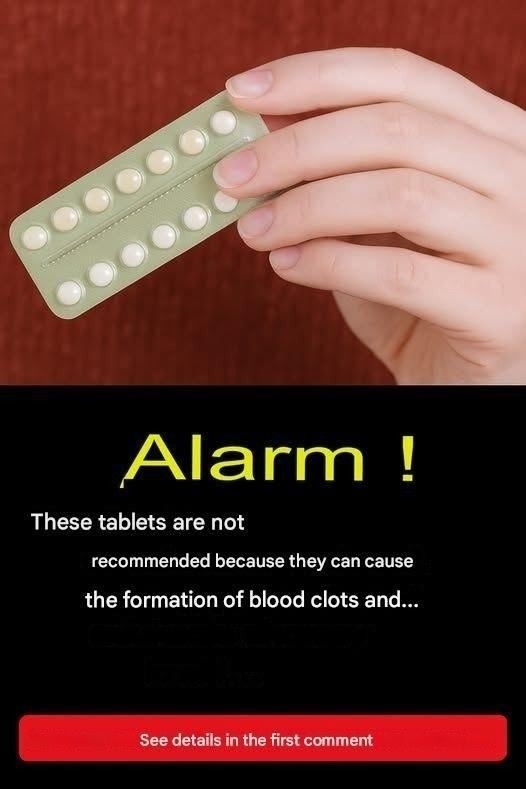
In today’s world, medications are widely used to treat a variety of conditions—from pain relief to hormonal balance and chronic illnesses. While many of these tablets are effective and safe when used correctly, some may carry hidden risks that are often overlooked. One such concern is the increased risk of blood clots, a serious condition that can lead to life-threatening complications if not recognized early.
🚀 Make Money Online – Up to $50 Per Day!
Blood clots, medically known as thrombosis, occur when blood thickens and forms a clump inside a vein or artery. While clotting is a natural process that helps stop bleeding, abnormal clot formation can block blood flow to vital organs such as the heart, lungs, or brain. This can result in conditions like deep vein thrombosis (DVT), pulmonary embolism, heart attack, or stroke.
Tablets That May Increase Blood Clot Risk
Certain types of medications have been linked to a higher likelihood of clot formation. These include:
1. Hormonal Contraceptives (Birth Control Pills)
Birth control pills that contain estrogen are among the most commonly associated medications with blood clot risk. Estrogen can increase the clotting ability of blood, especially in women who smoke, are overweight, or have a family history of clotting disorders.
2. Hormone Replacement Therapy (HRT)
Used mainly during menopause, hormone replacement therapy can also raise the risk of clots due to its estrogen content. Women using HRT should always consult their healthcare provider about personal risk factors.
3. Certain Cancer Medications
Some drugs used in cancer treatment can alter blood chemistry and increase clotting risk. Patients undergoing cancer therapy are often monitored closely for this reason.
4. Steroids and Anti-Inflammatory Drugs
Long-term use of corticosteroids and some anti-inflammatory medications may contribute to changes in blood flow and clotting behavior, particularly in high doses.
5. Erythropoiesis-Stimulating Agents (ESAs)
These drugs, used to treat anemia, can increase red blood cell production. While helpful, excessive red cells can thicken the blood and increase clotting risk.
Warning Signs of Blood Clots
Recognizing symptoms early can save lives. Watch out for:
- Swelling, pain, or tenderness in one leg
- Red or discolored skin on the leg
- Sudden shortness of breath
- Chest pain that worsens when breathing
- Rapid heartbeat
- Unexplained coughing (sometimes with blood)
If any of these symptoms appear, immediate medical attention is critical.
Who Is at Higher Risk?
Not everyone who takes these medications will develop blood clots, but certain factors can increase the risk:
- Smoking
- Obesity
- Sedentary lifestyle
- Recent surgery or long periods of immobility
- Pregnancy
- Family history of clotting disorders
- Age over 35 (especially for women on birth control)
Understanding your personal risk profile is essential before starting any medication.
Natural Recipe to Support Healthy Circulation
While no natural remedy can replace medical treatment, certain foods may support better blood flow and overall cardiovascular health. Here’s a simple, natural drink that may help promote circulation:
Ingredients:
- 1 glass warm water
- 1 tablespoon fresh lemon juice
- 1 teaspoon grated ginger
- 1 teaspoon honey
- A pinch of turmeric
Instructions:
- Warm the water (do not boil).
- Add lemon juice, grated ginger, and turmeric.
- Stir well and add honey for taste.
- Drink once daily, preferably in the morning.
Why it helps:
- Ginger may support blood circulation and reduce inflammation.
- Turmeric contains curcumin, which has anti-inflammatory properties.
- Lemon provides vitamin C, supporting blood vessel health.
Important Precautions
- This natural recipe is not a cure or replacement for medication.
- Always consult a healthcare professional before stopping or changing any prescribed tablets.
- If you are already at risk for blood clots, avoid self-medicating with supplements without guidance.
Final Thoughts
Medications can be life-saving, but they are not without risks. Being informed about potential side effects—such as blood clot formation—empowers you to make safer health decisions. If you are currently taking any of the tablets mentioned above, do not panic. Instead, speak with your doctor, review your risk factors, and explore safer alternatives if necessary.
