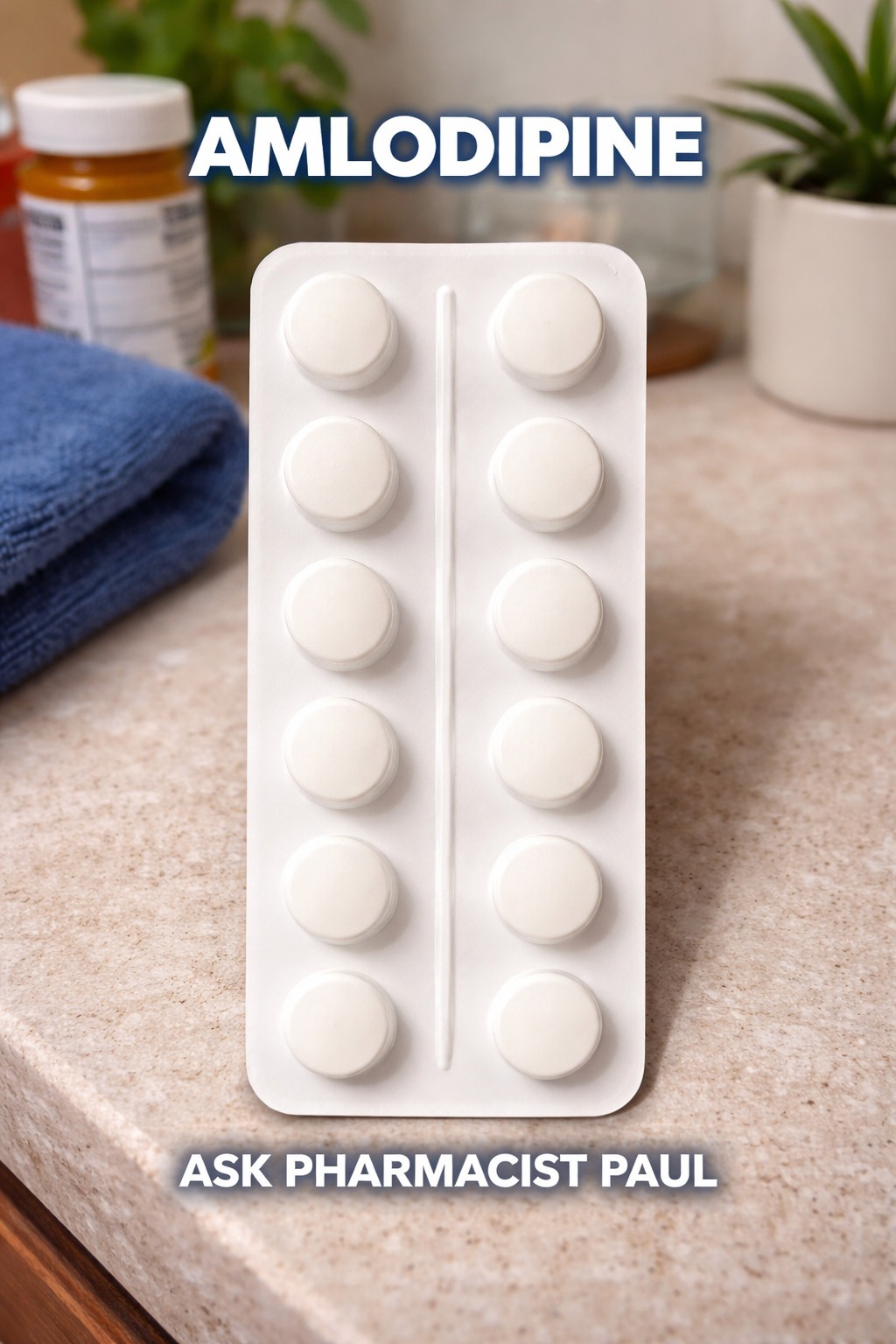
If you’ve been prescribed Amlodipine, you’re already taking an important step toward managing your blood pressure and protecting your heart. This medication works by relaxing blood vessels, allowing blood to flow more easily and reducing strain on your cardiovascular system. However, certain daily habits can interfere with how well it works—or even increase your risk of side effects.
🚀 Make Money Online – Up to $50 Per Day!
If you want the best results from your treatment, here are 8 habits you should consider stopping this year—and why they matter.
1. Skipping Doses or Taking It Inconsistently
One of the most common mistakes is not taking your medication at the same time every day. Amlodipine works best when it maintains a steady level in your bloodstream. Missing doses can cause your blood pressure to fluctuate, increasing the risk of complications like stroke or heart disease.
What to do instead:
Set a daily reminder or take it alongside a regular routine, like breakfast or brushing your teeth.
2. Eating Too Much Salt
High sodium intake directly raises blood pressure, which counteracts the effects of your medication. Even if Amlodipine is working, excessive salt forces your body to retain water, putting extra strain on your arteries.
What to do instead:
Limit processed foods, canned items, and salty snacks. Aim for fresh, whole foods whenever possible.
3. Drinking Alcohol Excessively
Alcohol can interfere with blood pressure control and may amplify side effects like dizziness or lightheadedness. When combined with Amlodipine, it can cause your blood pressure to drop too low, especially when standing up quickly.
What to do instead:
If you drink, do so in moderation—or consider cutting back significantly for better results
4. Ignoring Swelling in Feet and Ankles
A common side effect of Amlodipine is swelling (edema), especially in the lower legs. Many people ignore it, assuming it’s harmless. While often mild, persistent swelling can indicate that your dosage needs adjustment.
What to do instead:
Elevate your legs when resting and report any unusual or worsening swelling to your doctor.
5. Sitting for Long Periods Without Movement
A sedentary lifestyle reduces circulation and can worsen side effects like swelling. It also contributes to high blood pressure, making your medication less effective.
What to do instead:
Incorporate light movement throughout your day—walking, stretching, or even standing breaks every hour.
6. Taking Certain Over-the-Counter Medications Without Checking
Some common medications—especially cold remedies and nonsteroidal anti-inflammatory drugs (NSAIDs)—can raise blood pressure or interfere with Amlodipine.
What to do instead:
Always check with a healthcare provider or pharmacist before adding new medications or supplements.
7. Eating Grapefruit or Drinking Grapefruit Juice Frequently
Grapefruit can affect how your body processes certain medications, including Amlodipine. It may increase the drug’s concentration in your bloodstream, potentially leading to stronger side effects like low blood pressure or dizziness.
What to do instead:
Limit or avoid grapefruit products unless your doctor confirms it’s safe for you.
8. Neglecting Regular Blood Pressure Monitoring
Many people rely solely on how they “feel,” but high blood pressure often has no obvious symptoms. Even while taking Amlodipine, your levels may still fluctuate without you realizing it.
What to do instead:
Check your blood pressure regularly at home and keep a record to share with your healthcare provider.
Final Thoughts
Taking Amlodipine is only one part of managing high blood pressure. Your daily habits play a huge role in how effective the medication is and how well your body responds to it.
By avoiding these eight habits—like skipping doses, consuming too much salt, or ignoring side effects—you can improve your results and reduce potential risks. Small, consistent changes often lead to the biggest improvements over time.
