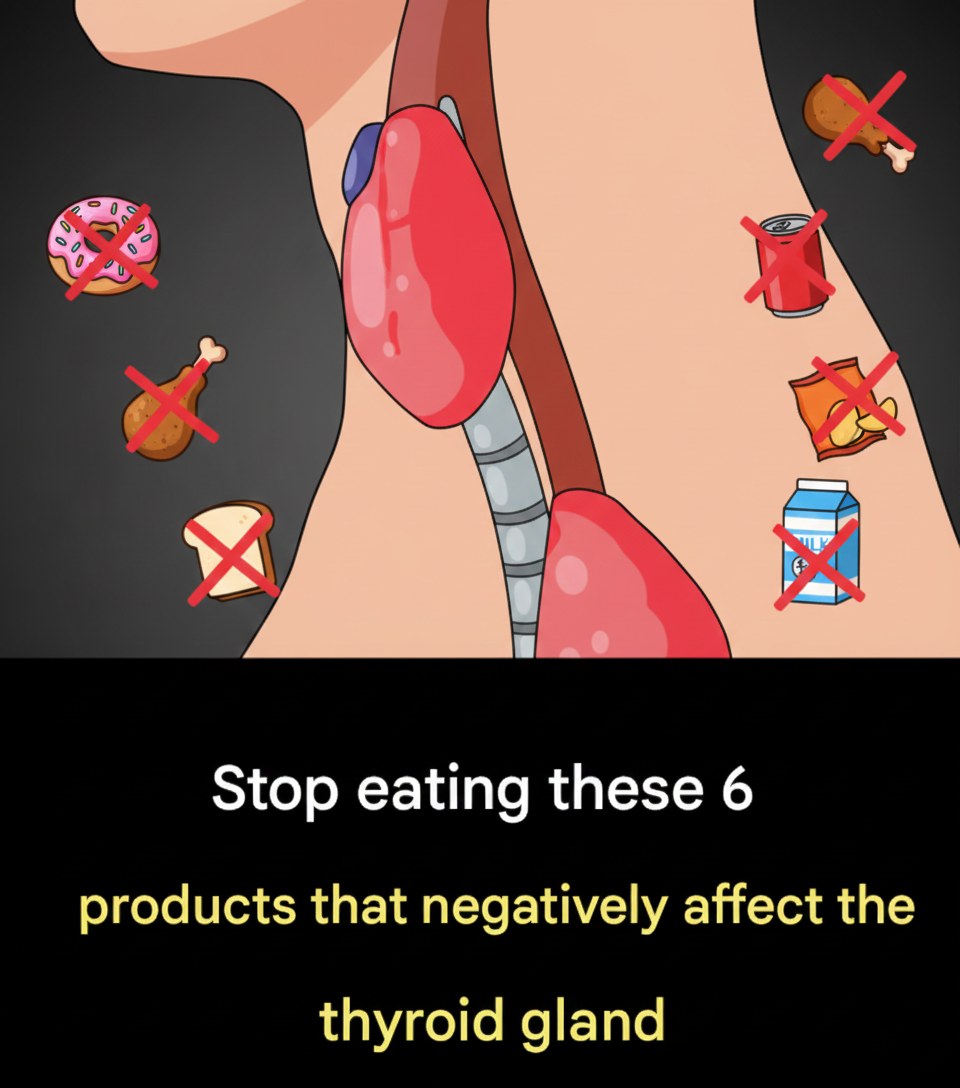
Your thyroid may be small, but it has a massive impact on your energy, metabolism, mood, and overall well-being. When this gland becomes imbalanced—especially in conditions like Hypothyroidism or Hyperthyroidism—your body can feel like it’s running on empty or stuck in overdrive. While medication and medical care are important, what you eat daily can either support your thyroid… or silently work against it.
🚀 Make Money Online – Up to $50 Per Day!
Let’s uncover six foods that may be sabotaging your thyroid health—and what you can replace them with for better energy and balance.
1. Soy-Based Products
Soy is often praised as a healthy protein, but it contains compounds called goitrogens. These can interfere with iodine absorption, which your thyroid needs to produce hormones effectively.
Foods like soy milk, tofu, and soy protein isolates may reduce thyroid function—especially if you already have low iodine levels. This doesn’t mean you must eliminate soy completely, but moderation is key.
Better choice: Opt for protein sources like eggs, lentils, or lean meats, which don’t disrupt thyroid hormone production.
2. Cruciferous Vegetables (Raw)
Vegetables like broccoli, cauliflower, cabbage, and kale are packed with nutrients, but when eaten raw in large amounts, they can interfere with thyroid function due to their goitrogenic properties.
They can block iodine uptake, particularly in people with existing thyroid issues.
Better choice: Cook these vegetables. Steaming or sautéing reduces their goitrogenic effect while preserving nutrients.
3. Gluten-Containing Foods
Gluten, found in wheat, barley, and rye, can be problematic—especially for people with autoimmune thyroid conditions like Hashimoto’s Thyroiditis.
In sensitive individuals, gluten may trigger inflammation and worsen immune responses, potentially damaging thyroid tissue.
Better choice: Try gluten-free grains like rice, quinoa, or oats (certified gluten-free). Many people notice improved digestion and energy when reducing gluten.
4. Highly Processed Foods
Processed foods—like packaged snacks, fast food, and sugary cereals—are loaded with unhealthy fats, sugar, and additives. These can disrupt hormone balance and contribute to weight gain, fatigue, and inflammation.
They also lack essential nutrients like selenium, zinc, and iodine—key minerals for thyroid function.
Better choice: Focus on whole, unprocessed foods such as fruits, vegetables, nuts, seeds, and whole grains.
5. Sugary Foods and Drinks
Excess sugar can wreak havoc on your metabolism, leading to blood sugar spikes and crashes. For someone with thyroid imbalance, this can intensify fatigue and mood swings.
High sugar intake also contributes to insulin resistance, which may further complicate hormonal balance.
Better choice: Replace sugary drinks with herbal teas, lemon water, or natural smoothies. Use fruits like dates or berries for natural sweetness.
6. Excess Iodine-Rich Foods
While iodine is essential for thyroid hormone production, too much of it can actually worsen thyroid disorders—especially hyperthyroidism.
Foods like seaweed, iodized salt, and certain seafood can push iodine levels too high if consumed excessively.
Better choice: Maintain a balanced intake. Don’t over-supplement iodine unless directed by a healthcare professional.
Thyroid-Friendly Energy Boost Recipe
Now that you know what to avoid, here’s a simple, nourishing recipe that supports thyroid health and boosts your energy naturally.
Energizing Thyroid Support Smoothie
Ingredients:
- 1 cup unsweetened almond milk
- 1 banana
- ½ cup blueberries
- 1 tablespoon chia seeds
- 1 tablespoon pumpkin seeds
- ½ teaspoon cinnamon
- 1 teaspoon honey (optional)
Instructions:
- Add all ingredients to a blender.
- Blend until smooth and creamy.
- Drink fresh in the morning for a natural energy boost.
Why it works:
This smoothie is rich in antioxidants, fiber, and essential minerals like magnesium and zinc, which support hormone balance and steady energy levels.
Final Thoughts
Your thyroid health is deeply connected to your daily food choices. While these six foods may seem harmless—or even healthy in some cases—consuming them in excess or in the wrong way can disrupt your body’s delicate hormonal balance.
The key isn’t fear—it’s awareness and balance.
By reducing problematic foods and focusing on nutrient-dense alternatives, you can support your thyroid naturally, improve your energy, and feel more in control of your health.
