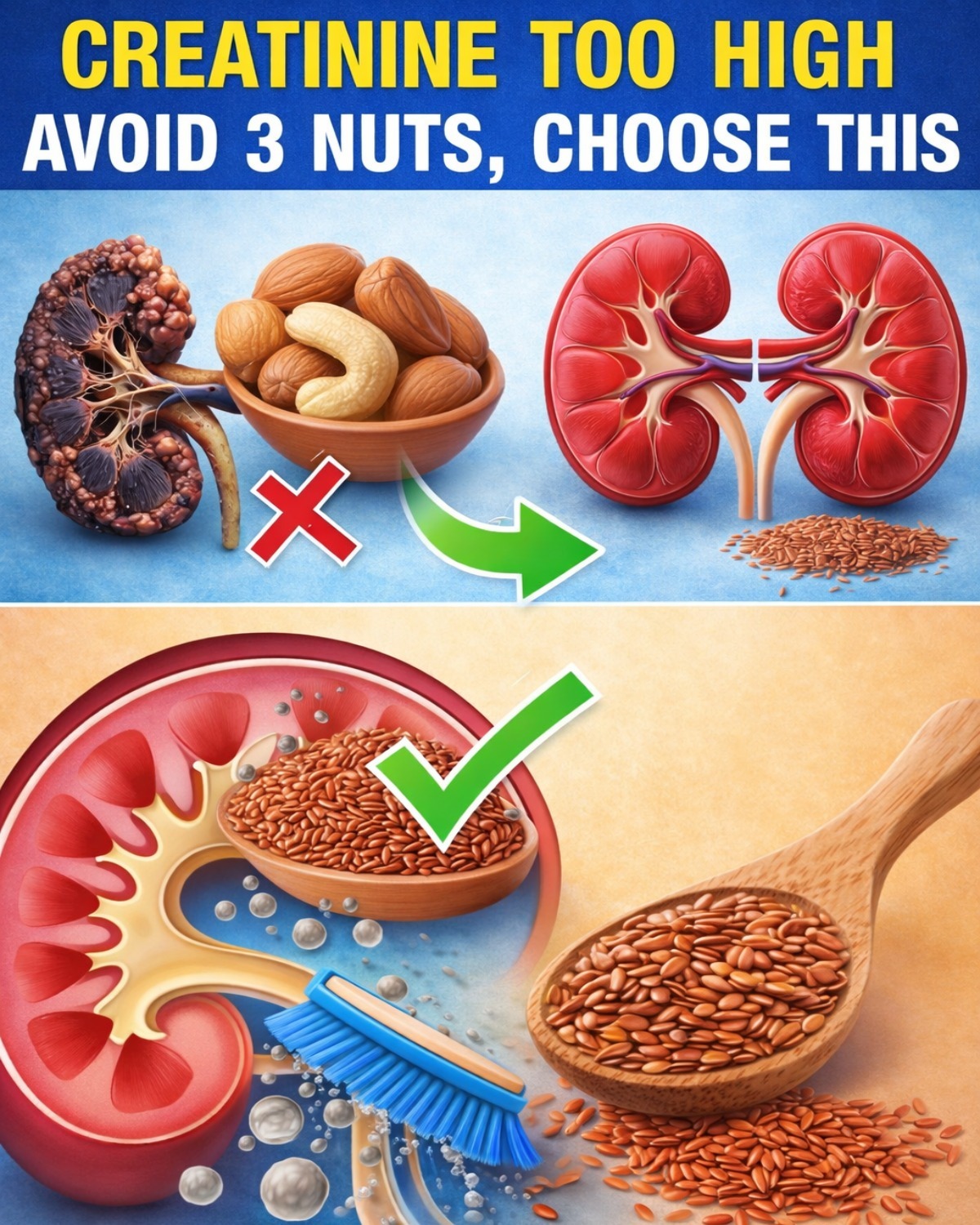
When your creatinine levels are high, it’s often a signal that your kidneys may not be working as efficiently as they should. Creatinine is a waste product produced by muscle metabolism, and your kidneys are responsible for filtering it out of your blood. When this process slows down, creatinine builds up—raising concerns about kidney health. While medical care is essential, your daily diet plays a powerful role in managing these levels. Surprisingly, even healthy foods like nuts can either help or harm depending on the type and portion.
🚀 Make Money Online – Up to $50 Per Day!
Let’s explore which nuts you should limit—and which ones you can safely enjoy.
Nuts You Should Avoid (or Strictly Limit)
1. Almonds


Almonds are often praised as a superfood, rich in healthy fats, fiber, and vitamin E. However, they are also high in phosphorus and potassium—two minerals that can accumulate in the blood when kidney function is impaired.
For individuals with high creatinine levels, excess phosphorus can weaken bones and lead to calcium imbalance. Even a small handful of almonds can contribute significantly to your daily intake, making them a risky choice if eaten frequently.
2. Cashews


Cashews are creamy and delicious, but they come with a downside for kidney health. They are relatively high in sodium (especially if salted) and phosphorus. Too much sodium can increase blood pressure, which puts extra strain on the kidneys.
In addition, their moderate potassium content can become problematic for those already dealing with elevated creatinine levels. Regular consumption may worsen kidney stress over time.
3. Brazil Nuts


Brazil nuts are extremely nutrient-dense, especially rich in selenium. While selenium is beneficial in small amounts, excessive intake can lead to toxicity. More importantly for kidney patients, Brazil nuts are very high in phosphorus.
Because of their size and nutrient concentration, even one or two nuts can quickly exceed recommended limits. For those managing high creatinine, it’s best to avoid them entirely or consume them very rarely under medical guidance.
✅ Nuts You Can Eat (in Moderation)
1. Macadamia Nuts


Macadamia nuts are one of the best options for kidney-friendly diets. They are lower in phosphorus compared to many other nuts and contain healthy monounsaturated fats that support heart health.
Since people with kidney concerns often also manage blood pressure and cardiovascular risks, macadamia nuts offer a double benefit—supporting both heart and kidney wellness when eaten in small portions.
2. Walnuts


Walnuts are rich in omega-3 fatty acids, which help reduce inflammation in the body. Chronic inflammation can worsen kidney function over time, so including anti-inflammatory foods is important.
While walnuts do contain some phosphorus, their overall nutritional profile makes them a better choice than many other nuts—especially when consumed in moderation (a small handful a few times a week).
3. Pine Nuts


Pine nuts are relatively lower in potassium and phosphorus compared to many other nuts. They are also a good source of magnesium and healthy fats, making them gentle on the kidneys.
They can easily be added to salads, rice dishes, or eaten as a light snack without overwhelming your mineral intake.
🥗 Simple Kidney-Friendly Nut Mix Recipe
Here’s a quick and healthy snack you can prepare at home:
Ingredients:
- 2 tablespoons macadamia nuts
- 1 tablespoon walnuts
- 1 tablespoon pine nuts
- 1 teaspoon olive oil
- A pinch of turmeric (optional)
- A pinch of black pepper
Instructions:
- Lightly warm the nuts in a pan on low heat.
- Drizzle olive oil and sprinkle turmeric and black pepper.
- Toss gently for 2–3 minutes.
- Let cool and enjoy as a small daily snack.
This mix provides healthy fats, antioxidants, and anti-inflammatory benefits without overloading your kidneys.
⚠️ Final Tips for Managing Creatinine Levels
- Watch portion sizes: Even kidney-friendly nuts should be eaten in moderation.
- Stay hydrated: Drinking enough water helps your kidneys flush out toxins.
- Limit salt intake: High sodium worsens kidney strain.
- Follow medical advice: Always consult your doctor or dietitian for personalized guidance.
🌿 Conclusion
Managing high creatinine levels doesn’t mean giving up all your favorite foods—it just means making smarter choices. While almonds, cashews, and Brazil nuts may seem healthy, they can burden your kidneys if consumed excessively. On the other hand, macadamia nuts, walnuts, and pine nuts offer safer alternatives when eaten in moderation.
