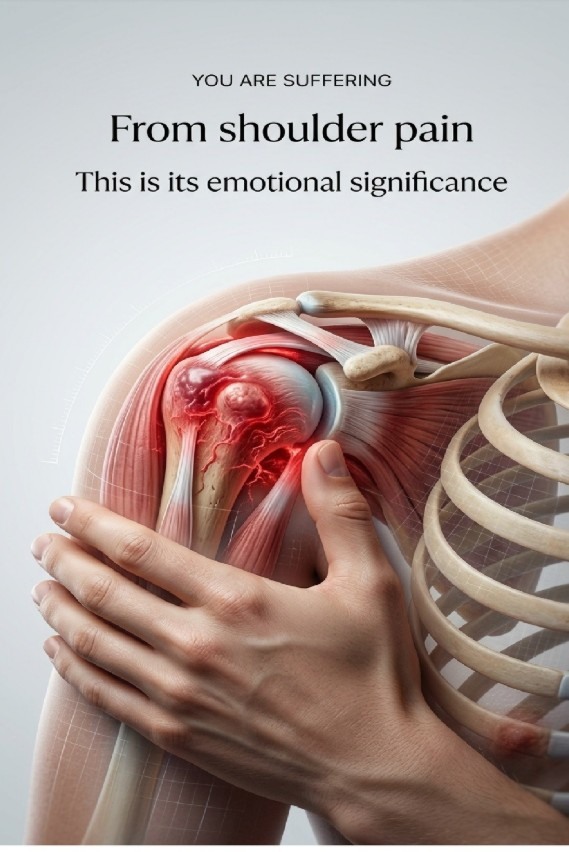
Shoulder pain is often viewed purely as a physical issue—something caused by poor posture, muscle strain, or injury. However, many holistic health traditions and mind-body approaches suggest that shoulder pain can also carry emotional significance. While it’s important to consult a medical professional for persistent or severe discomfort, exploring the emotional dimension of shoulder pain can offer deeper insight into how stress and feelings may manifest in the body.
🚀 Make Money Online – Up to $50 Per Day!
The shoulders are symbolically associated with responsibility and burden. When people say they are “carrying the weight of the world on their shoulders,” they are expressing a very real emotional experience. This metaphor often reflects feelings of pressure, obligation, or overwhelm. When these emotions are prolonged or unaddressed, they may contribute to physical tension in the shoulder area.
One common emotional factor linked to shoulder pain is stress. Chronic stress can cause muscles to tighten, particularly in the neck and shoulders. Over time, this tension can lead to stiffness, soreness, and even restricted movement. People who are constantly worrying, overthinking, or trying to control situations may unconsciously hold tension in their shoulders. This physical reaction becomes a kind of storage system for emotional strain.
Another emotional contributor is the sense of responsibility. Individuals who feel they must take care of everyone else, solve problems, or meet high expectations often develop tightness in their shoulders. This is especially true for people who struggle to delegate or say no. Carrying too many responsibilities without rest or support can create a physical reflection of emotional overload.
Suppressed emotions can also play a role. Feelings such as anger, frustration, sadness, or resentment that are not expressed may become “trapped” in the body. The shoulders, being a central point of movement and support, can become a holding area for these emotions. For example, someone who feels unable to express their anger openly may unconsciously tense their shoulders, leading to chronic discomfort.
Emotional burdens from past experiences can contribute as well. Unresolved trauma or long-standing emotional pain may manifest physically in different parts of the body, including the shoulders. In such cases, the pain may not have a clear physical cause, or it may persist even after physical treatments. This does not mean the pain is “imaginary”—rather, it highlights the complex connection between emotional and physical health.
There is also a link between shoulder pain and the fear of failure or pressure to succeed. People who constantly push themselves to achieve, meet deadlines, or maintain perfection may develop tension in their shoulders as a result of internal pressure. This can be particularly common in high-stress environments or among individuals with perfectionist tendencies.
Interestingly, the side of the shoulder affected may sometimes be interpreted symbolically in certain holistic perspectives. The right shoulder is often associated with giving, action, and external responsibilities, while the left shoulder may relate more to receiving, emotions, and personal needs. Pain on either side could reflect imbalances in these areas—for example, giving too much without receiving support, or neglecting one’s own emotional needs.
Addressing the emotional significance of shoulder pain involves more than just physical treatment. It requires awareness and a willingness to explore underlying feelings. One helpful approach is mindfulness—paying attention to when the pain intensifies and what emotions or situations are present at that time. This can help identify patterns and triggers.
Relaxation techniques can also be beneficial. Practices such as deep breathing, meditation, and gentle stretching can reduce both physical tension and emotional stress. Regular physical activity, especially exercises that focus on releasing shoulder tension, can improve circulation and flexibility while also supporting mental well-being.
Communication is another key element. Expressing thoughts and emotions openly—whether through conversation, journaling, or creative outlets—can prevent emotional buildup. Learning to set boundaries and say no when necessary can also reduce the sense of being overwhelmed.
Self-care plays a crucial role as well. Taking time to rest, recharge, and engage in activities that bring joy can help balance the demands of daily life. When individuals prioritize their own needs, they are less likely to carry excessive emotional weight.
It’s important to remember that not all shoulder pain has an emotional cause. Injuries, medical conditions, and lifestyle factors are often the primary contributors. However, considering the emotional aspect can provide a more holistic understanding of the body and its signals.
In conclusion, shoulder pain can sometimes reflect more than just physical strain—it may symbolize emotional burdens, stress, and unexpressed feelings. By paying attention to both the physical and emotional aspects of pain, individuals can take a more comprehensive approach to healing. Understanding what your shoulders might be “carrying” could be the first step toward releasing not only tension, but also the emotional weight behind it.
