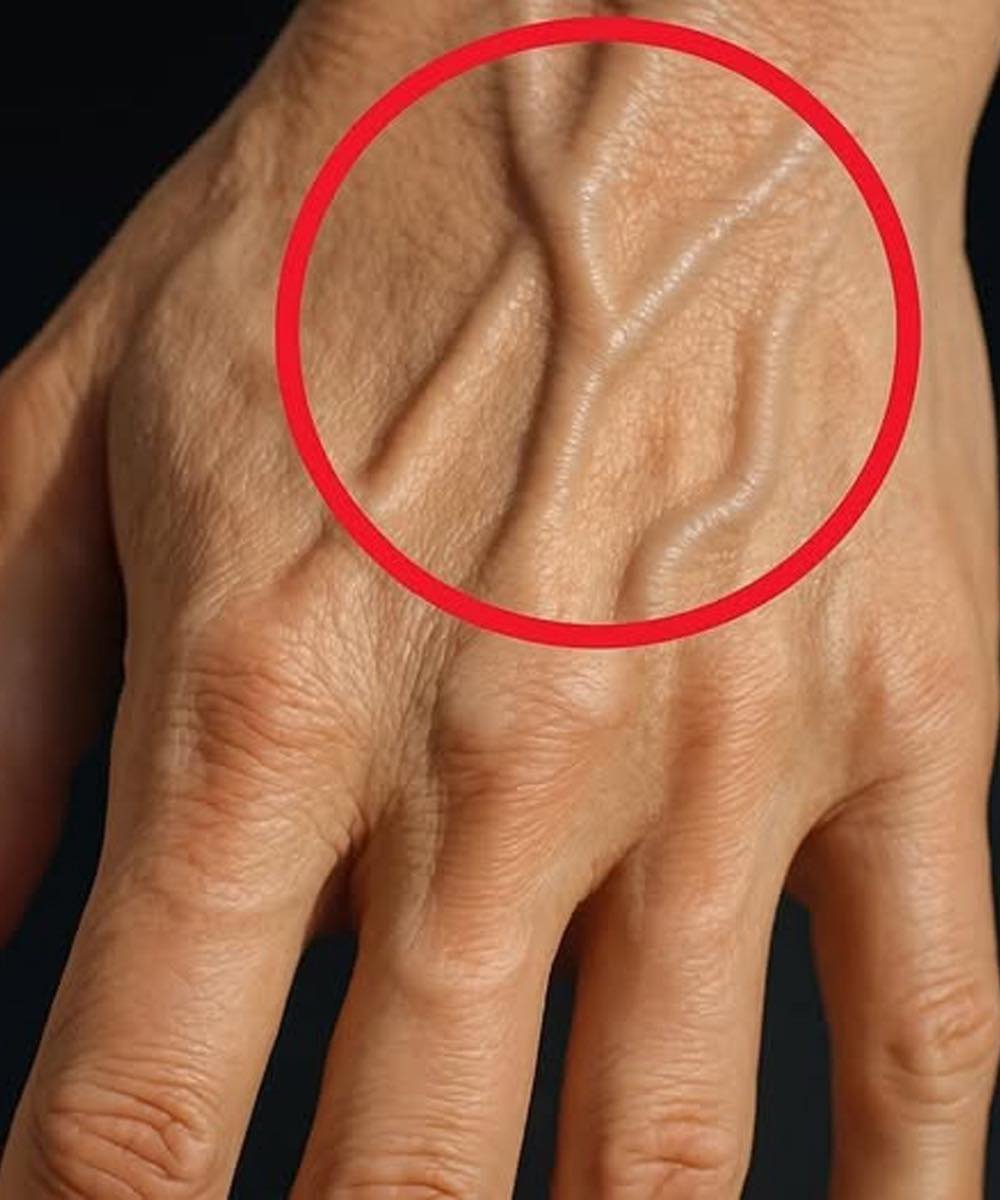
Our bodies often give subtle clues about what is happening internally. While most people associate kidney health with symptoms like fatigue, swelling in the legs, or changes in urination, some physical signs can appear in unexpected places—like the veins on your hands. Though visible veins are usually harmless and related to age, body fat, or genetics, in certain cases they can hint at underlying health issues, including concerns related to kidney function.
🚀 Make Money Online – Up to $50 Per Day!
Understanding how kidney health affects circulation and the appearance of veins can help people become more aware of their bodies and seek medical advice when needed.
The Role of the Kidneys in the Body
The kidneys are two bean-shaped organs located in the lower back, just below the rib cage. Their main job is to filter waste products and excess fluids from the blood, which are then excreted through urine. In addition to filtration, kidneys regulate blood pressure, balance electrolytes, maintain fluid levels, and produce hormones that support red blood cell production.
When the kidneys are not functioning properly, these processes can be disrupted. As waste builds up in the body and fluid balance changes, the circulatory system may also be affected. Sometimes these changes can become visible through the skin, including the veins in the hands.
Why Hand Veins Become More Visible
In many cases, visible hand veins are completely normal. Several everyday factors can make veins appear more prominent:
-
Aging: As people age, skin becomes thinner and loses elasticity, making veins easier to see.
-
Low body fat: Less fat under the skin allows veins to stand out more.
-
Exercise: Physical activity increases blood flow and can temporarily enlarge veins.
-
Genetics: Some individuals naturally have more visible veins.
However, when vein appearance changes suddenly or is accompanied by other symptoms, it may be worth paying attention to possible underlying health conditions.
Fluid Balance and Kidney Function
Healthy kidneys carefully regulate how much fluid remains in the body. When kidney function declines, excess fluid may accumulate in tissues, leading to swelling (known as edema). This swelling is commonly seen in the feet, ankles, hands, and face.
In some cases, swelling around the hands can change the way veins appear. They may look more stretched, bulging, or sometimes less visible depending on the amount of retained fluid. If a person notices persistent swelling along with unusual vein changes, it may signal that the kidneys are struggling to maintain proper fluid balance.
Blood Pressure and Vein Changes
The kidneys play a key role in controlling blood pressure. They regulate hormones that influence how tightly blood vessels constrict and how much fluid remains in circulation.
When kidney disease develops, blood pressure can become elevated. High blood pressure puts additional strain on blood vessels, including veins. Over time, this pressure may contribute to more pronounced veins in areas where the skin is thin, such as the hands.
While visible veins alone do not indicate high blood pressure, they may appear alongside other symptoms if the circulatory system is under stress.
Poor Circulation and Toxin Buildup
Kidneys help remove toxins from the bloodstream. When kidney function declines, waste products can accumulate and affect overall circulation. Poor circulation sometimes leads to symptoms such as:
-
Cold hands and feet
-
Changes in skin color
-
Fatigue and weakness
-
Tingling sensations
When circulation changes, veins may appear darker, more noticeable, or slightly swollen. Although these signs are not specific to kidney problems, they can occur in people with chronic kidney disease.
When to Be Concerned
Visible hand veins are rarely a direct sign of kidney disease. However, if they appear along with other symptoms, it may be worth discussing with a healthcare professional. Warning signs related to kidney problems include:
-
Persistent swelling in hands, feet, or face
-
Changes in urination (frequency, color, or foaminess)
-
Constant fatigue
-
Difficulty concentrating
-
Muscle cramps
-
High blood pressure
-
Nausea or loss of appetite
Doctors typically diagnose kidney issues through blood tests, urine tests, and imaging studies rather than physical signs alone.
Lifestyle Habits That Support Kidney Health
Even though veins in the hands are not a reliable diagnostic tool, paying attention to overall health can help protect kidney function. Several lifestyle habits are particularly beneficial:
Stay hydrated: Drinking enough water helps kidneys flush toxins from the body.
Limit excessive salt intake: Too much sodium can raise blood pressure and strain the kidneys.
Maintain a healthy weight: Obesity increases the risk of high blood pressure and diabetes, both leading causes of kidney disease.
Exercise regularly: Physical activity improves circulation and overall organ function.
Monitor blood pressure and blood sugar: Managing these conditions is crucial for protecting kidney health.
Avoid unnecessary medications: Overuse of certain painkillers and supplements may harm kidney function.
Listening to Your Body
Our bodies constantly provide signals about internal health. While prominent veins on the hands are most often harmless, sudden changes in their appearance—especially when combined with swelling or other symptoms—should not be ignored.
The key is to observe patterns rather than focusing on a single sign. If multiple symptoms appear or persist, a medical evaluation can help determine whether kidney function or another health issue might be involved.
Final Thoughts
The veins on your hands may reveal small clues about circulation, hydration, and overall health, but they rarely tell the whole story on their own. Kidney health is complex and influenced by many factors including blood pressure, lifestyle, genetics, and underlying medical conditions.
