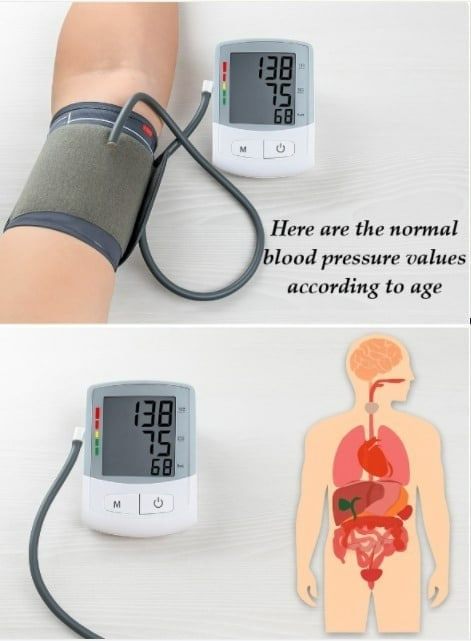
Understanding normal blood pressure values according to age is essential for maintaining long-term heart health. Blood pressure is the force of blood pushing against the walls of your arteries as your heart pumps. It is measured in millimeters of mercury (mmHg) and recorded as two numbers: systolic pressure over diastolic pressure.
🚀 Make Money Online – Up to $50 Per Day!
Systolic pressure (the top number) measures the force when the heart beats. Diastolic pressure (the bottom number) measures the force when the heart rests between beats. Both numbers are important, and healthy values can vary slightly depending on age, lifestyle, and overall health.
According to the American Heart Association, a normal blood pressure reading for adults is generally less than 120/80 mmHg. However, age-related changes in the cardiovascular system can influence what is considered typical or acceptable.
For children and teenagers, blood pressure depends on age, gender, and height. Pediatric blood pressure charts are used by doctors to determine normal ranges. In general, children aged 6 to 13 years should have blood pressure below 110–120 systolic and 70–80 diastolic. For adolescents aged 14 to 18, normal readings are usually under 120/80 mmHg, similar to adults.
For young adults between 19 and 40 years old, the ideal blood pressure remains below 120/80 mmHg. At this stage, arteries are typically more flexible, and the heart pumps efficiently. Maintaining a healthy weight, staying active, managing stress, and limiting sodium intake are key strategies to keep blood pressure within the normal range.
Adults aged 41 to 60 may begin to see slight increases in systolic pressure due to natural stiffening of the arteries. For this age group, a systolic reading between 110 and 130 mmHg and a diastolic reading between 70 and 85 mmHg is often considered acceptable. However, readings consistently above 130/80 mmHg may indicate elevated blood pressure or hypertension and should be monitored carefully.
For adults over 60, systolic pressure may rise further as blood vessels lose elasticity. A reading around 120–140 systolic and 70–90 diastolic may be common. Some healthcare providers may accept slightly higher systolic levels in older adults if lowering it too much causes dizziness or falls. Still, the general goal is to keep blood pressure under 130/80 mmHg when possible, depending on individual health conditions.
Blood pressure categories for adults are commonly defined as follows:
Normal: Less than 120 systolic and less than 80 diastolic.
Elevated: 120–129 systolic and less than 80 diastolic.
Hypertension Stage 1: 130–139 systolic or 80–89 diastolic.
Hypertension Stage 2: 140 or higher systolic or 90 or higher diastolic.
Hypertensive crisis: Higher than 180 systolic and/or higher than 120 diastolic, requiring immediate medical attention.
It is important to understand that these values are general guidelines. Individual targets may vary depending on conditions such as diabetes, kidney disease, or heart problems. Always consult a healthcare provider for personalized advice.
Now, here is a simple heart-supporting drink recipe that may help promote healthy circulation and support normal blood pressure levels when combined with a balanced lifestyle.
Heart-Friendly Beet and Lemon Drink
Ingredients:
1 medium fresh beetroot
Juice of 1 lemon
1 small piece of fresh ginger (about 1 inch)
1 cup water
1 teaspoon honey (optional)
Instructions:
Wash and peel the beetroot, then chop it into small pieces. Add the beetroot, ginger, and water to a blender. Blend until smooth. Strain if desired. Add fresh lemon juice and honey. Stir well and drink immediately.
Beetroot contains natural nitrates that may help relax blood vessels and improve blood flow. Lemon provides vitamin C and antioxidants, while ginger supports circulation. Drinking this in the morning a few times per week may complement a healthy routine.
In addition to monitoring blood pressure and enjoying heart-supportive foods, consider these lifestyle tips:
Reduce salt intake and avoid highly processed foods.
Exercise at least 30 minutes most days of the week.
Maintain a healthy weight.
Limit alcohol consumption.
Avoid smoking.
Manage stress through breathing exercises, meditation, or prayer.
Get adequate sleep each night.
Regular monitoring is also crucial. Home blood pressure monitors are widely available and easy to use. Take readings at the same time each day, sit calmly for five minutes before measuring, and keep a record to share with your doctor.
Blood pressure naturally fluctuates throughout the day depending on activity, stress, and hydration. Occasional slightly higher readings are not always cause for alarm. However, consistently high numbers should never be ignored.
