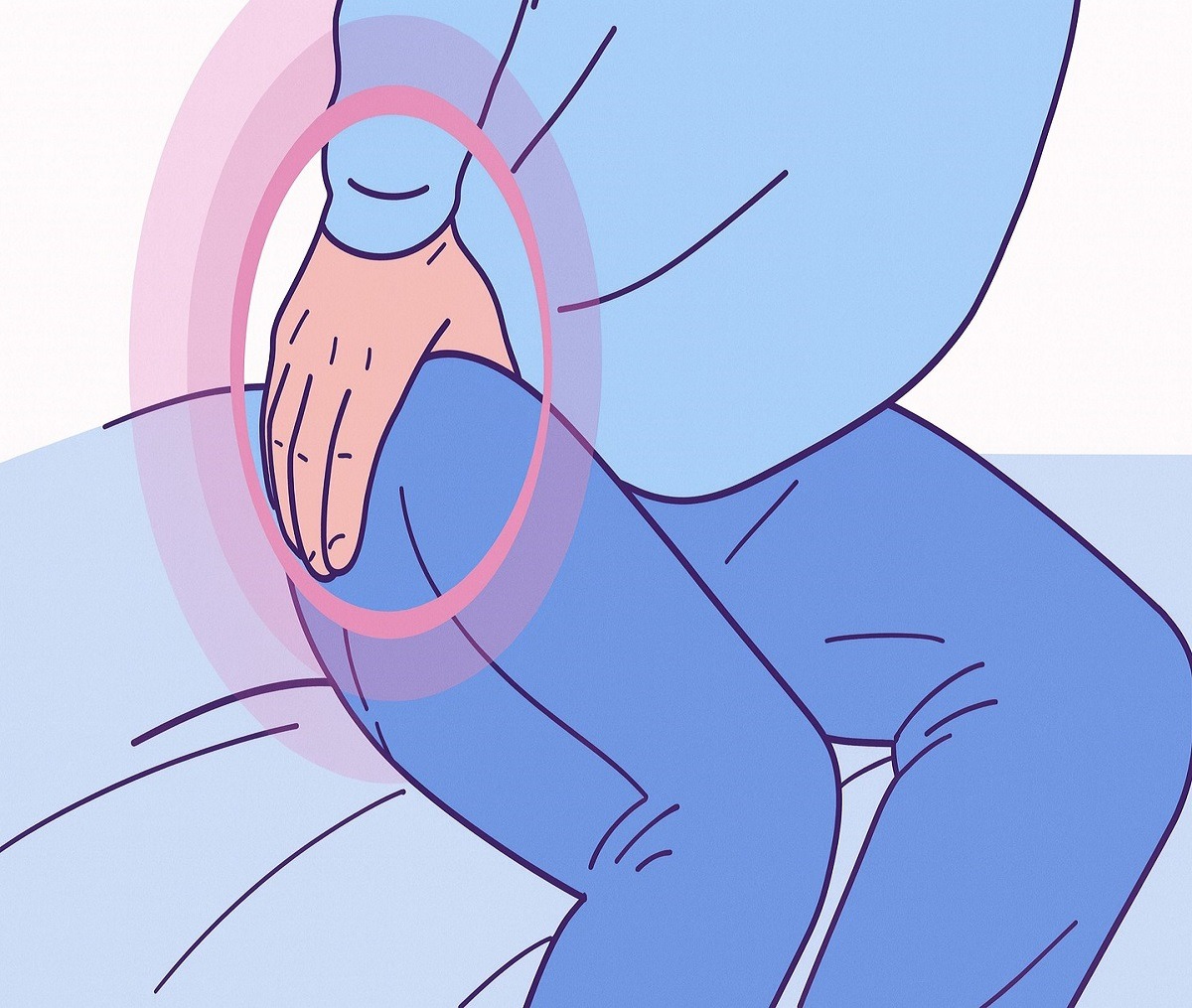
Hip pain is one of those symptoms many people ignore at first. You may feel a dull ache after a long walk, stiffness when getting out of bed, or sharp discomfort when climbing stairs. However, if you have persistent hip pain, it’s a clear sign that something in your body needs attention. The hip is a powerful, weight-bearing joint, and when it starts to hurt, it often signals deeper issues involving bones, muscles, cartilage, or even nerves.
🚀 Make Money Online – Up to $50 Per Day!
Understanding what hip pain means can help you take early action and prevent long-term damage.
1. It May Signal Joint Wear and Tear
One of the most common reasons for hip pain is osteoarthritis. This condition happens when the protective cartilage cushioning the joint gradually wears down. Without enough cartilage, bones begin to rub against each other, causing stiffness, swelling, and pain.
Hip osteoarthritis is more common as we age, but it can also develop earlier due to past injuries, obesity, or repetitive strain. If your hip pain worsens in the morning or after periods of inactivity, and improves slightly with gentle movement, it may be a sign of degenerative joint changes.
Ignoring this type of pain can lead to reduced mobility over time.
2. It Could Indicate Muscle Imbalance or Weakness
Hip pain isn’t always about the joint itself. Sometimes, it’s a sign that surrounding muscles—such as the glutes, hip flexors, or hamstrings—are tight, weak, or imbalanced.
When certain muscles are weak, others compensate. This compensation can strain tendons and ligaments, leading to inflammation and discomfort. For example, weak gluteal muscles can place extra pressure on the hip joint and lower back.
If your pain increases after sitting for long periods or during physical activity, muscle imbalance could be the cause. Stretching and strengthening exercises often provide relief in these cases.
3. It May Point to Inflammation (Bursitis or Tendinitis)
If you feel sharp pain on the outer side of your hip, especially when lying on that side, it could be hip bursitis. Bursae are small, fluid-filled sacs that cushion the bones and soft tissues. When they become inflamed, movement becomes painful.
Similarly, tendinitis occurs when tendons become irritated or overused. This is common in athletes or people who suddenly increase their activity level.
Inflammation-related hip pain often feels tender to touch and may worsen with repetitive movement. Early treatment—such as rest, ice, and anti-inflammatory measures—can prevent chronic issues.
4. It Could Be a Sign of Nerve Compression
Sometimes hip pain isn’t coming directly from the hip joint. It may be referred pain from the lower back due to nerve compression, such as sciatica.
When the sciatic nerve is irritated, pain can radiate from the lower back into the hip and down the leg. This pain is often sharp, burning, or accompanied by tingling and numbness.
If your hip pain travels down your leg or worsens when sitting, nerve involvement might be the real cause. Addressing spinal alignment and core strength can make a significant difference.
5. It May Reflect Postural Problems
Poor posture doesn’t just affect your neck and shoulders—it can directly impact your hips. Sitting for long hours, especially with crossed legs or slouched posture, can misalign the pelvis.
Over time, this misalignment stresses the hip joint unevenly. One side may become tighter or weaker than the other, leading to chronic discomfort.
If you notice one hip feels tighter, or you tend to shift your weight to one side when standing, posture could be contributing to your pain.
6. It Could Indicate an Injury
Sudden hip pain after a fall, sports activity, or accident could indicate a strain, tear, or even fracture. Athletes are particularly at risk for labral tears, where the cartilage ring around the hip socket becomes damaged.
In older adults, especially those with osteoporosis, hip pain after a fall should never be ignored, as it could signal a fracture requiring immediate medical attention.
Severe pain, inability to bear weight, swelling, or bruising are warning signs that require prompt evaluation.
7. It May Be a Sign of Underlying Health Conditions
In some cases, hip pain can reflect systemic health issues such as rheumatoid arthritis or other inflammatory diseases. These conditions often cause pain in multiple joints and may be accompanied by fatigue, fever, or stiffness lasting more than an hour in the morning.
Persistent hip pain without obvious injury should always be evaluated to rule out these possibilities.
When to Seek Medical Help
While mild hip discomfort after exercise may resolve on its own, you should consult a healthcare professional if:
-
Pain lasts more than a few weeks
-
You have difficulty walking or standing
-
Swelling, redness, or warmth is present
-
Pain radiates down the leg
-
You experience sudden severe pain after a fall
Early diagnosis can prevent complications and improve treatment outcomes.
What You Can Do Now
If you’re experiencing hip pain, small changes can make a big difference:
-
Maintain a healthy weight to reduce joint stress
-
Strengthen glutes and core muscles
-
Stretch hip flexors and hamstrings regularly
-
Avoid prolonged sitting
-
Use proper footwear with good support
Listening to your body is key. Pain is not just discomfort—it’s communication. Your hip pain is a clear sign that something needs adjustment, whether it’s your posture, activity level, muscle strength, or overall health.
The sooner you respond to these signals, the better your chances of restoring comfort and protecting your mobility for years to come.
