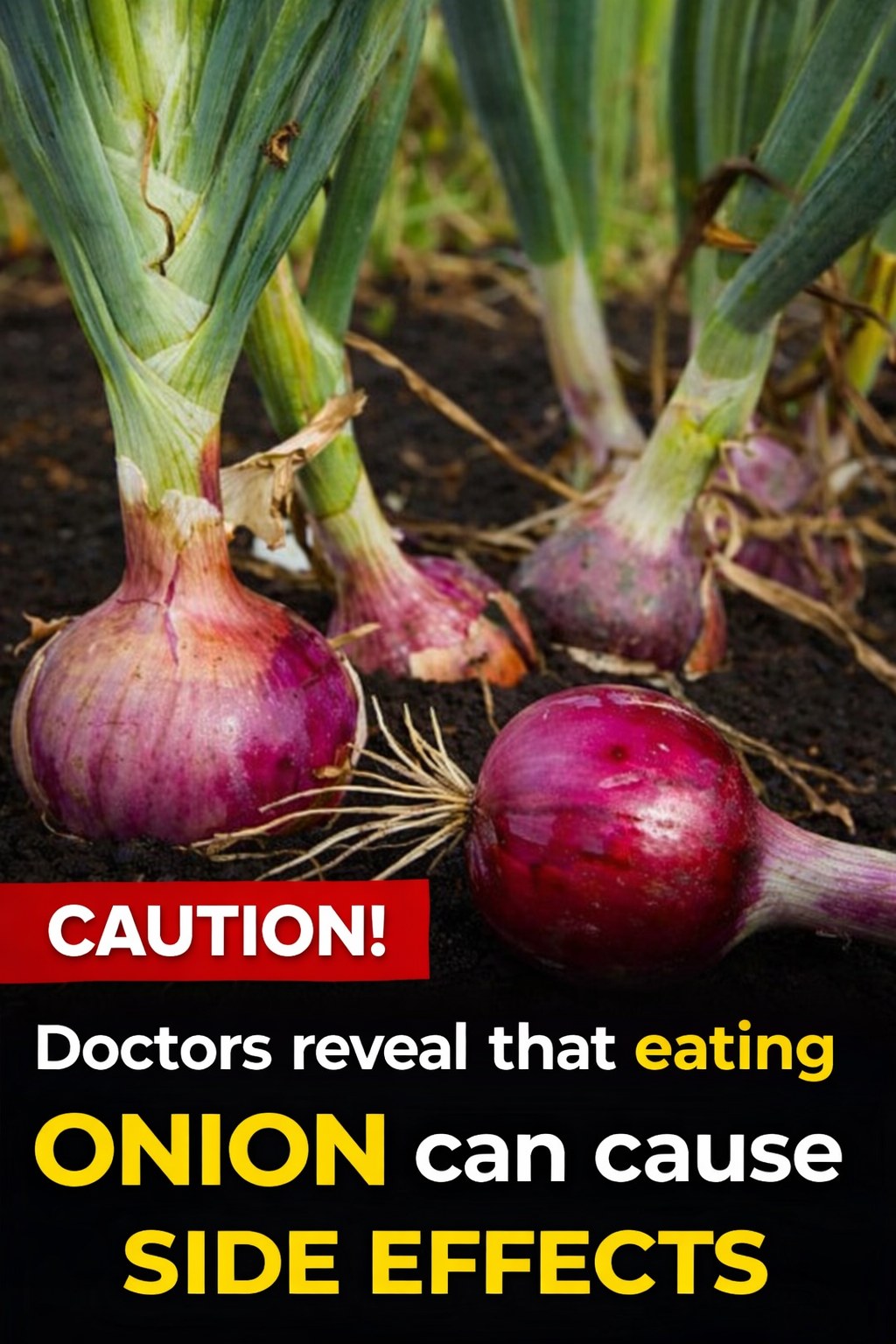
Onions are one of the most common ingredients in kitchens around the world. They form the base of countless dishes, from soups and sauces to curries and stir-fries. Yet online headlines often claim that “doctors warn that eating onions causes serious health problems.” So what’s the truth? Are onions a hidden danger—or a misunderstood superfood?
🚀 Make Money Online – Up to $50 Per Day!
Doctors and nutrition experts agree on one thing: onions are not harmful for most people, but like many foods, they can cause issues in specific situations. Understanding what onions actually cause—and for whom—makes all the difference.
The Nutritional Power of Onions
Onions are rich in vitamins, minerals, and powerful plant compounds. They contain vitamin C, vitamin B6, potassium, and antioxidants such as quercetin. These nutrients help support immune function, heart health, and inflammation control.
Medical studies consistently show that regular onion consumption is associated with lower risk of heart disease, improved blood circulation, and better blood sugar regulation. So why do onions sometimes get a bad reputation?
Why Some Doctors Warn About Eating Onions
When doctors “warn” about onions, they are usually referring to specific conditions, not the general population. Here’s what they mean.
1. Digestive Discomfort and Bloating
Onions contain fermentable carbohydrates called FODMAPs. In people with sensitive digestive systems—especially those with irritable bowel syndrome (IBS)—these compounds can cause gas, bloating, abdominal pain, or diarrhea.
Doctors may advise such patients to limit raw onions or avoid them entirely during flare-ups. This doesn’t mean onions are unhealthy; it means they are not suitable for everyone.
2. Acid Reflux and Heartburn
Eating onions, particularly raw ones, can relax the lower esophageal sphincter in some individuals. This may allow stomach acid to travel upward, causing heartburn or acid reflux.
Gastroenterologists often suggest reducing onions if a patient notices worsening reflux symptoms. Again, this is about individual response, not a universal danger.
3. Allergic Reactions (Rare but Real)
Although uncommon, onion allergies do exist. Symptoms may include itching in the mouth, skin rashes, watery eyes, or digestive upset. In very rare cases, more severe allergic responses can occur.
Doctors stress that food allergies are personal and should never be generalized. For the vast majority of people, onions are completely safe.
Myths That Keep Circulating Online
The internet is full of exaggerated claims. Let’s clear up the most common myths doctors frequently debunk.
Myth: Eating onions damages your liver
There is no scientific evidence to support this. In fact, onions contain antioxidants that help protect liver cells from oxidative stress.
Myth: Onions cause cancer
This claim is false. Research actually shows the opposite: onions, especially when consumed regularly, may reduce the risk of certain cancers due to their sulfur compounds and flavonoids.
Myth: Raw onions are toxic
Raw onions are not toxic. While they may be harder to digest for some people, they are safe and nutritious when properly washed and consumed.
The Benefits Doctors Emphasize
Despite occasional warnings, most doctors highlight onion’s health benefits.
-
Supports heart health by helping lower blood pressure and cholesterol
-
Helps regulate blood sugar, especially useful for people with insulin resistance
-
Boosts immunity due to vitamin C and antimicrobial properties
-
Reduces inflammation, which plays a role in many chronic diseases
Cooked onions are often easier to digest and still retain many of these benefits, making them a great option for sensitive stomachs.
How to Eat Onions Safely
Doctors recommend simple strategies to enjoy onions without discomfort:
-
Cook onions instead of eating them raw if you have digestive issues
-
Start with small amounts and observe your body’s reaction
-
Avoid onions late at night if you experience acid reflux
-
Pair onions with protein or healthy fats to slow digestion
Listening to your body is key. A food that benefits one person may bother another—and that’s completely normal.
The Bottom Line
So what do doctors really reveal about eating onions? Not that onions are dangerous—but that they affect people differently. For most individuals, onions are a nutritious, health-boosting food with more benefits than drawbacks.
Medical professionals don’t warn against onions in general; they caution specific patients based on digestive health, allergies, or reflux issues. When eaten in moderation and prepared properly, onions remain a valuable part of a balanced diet.
