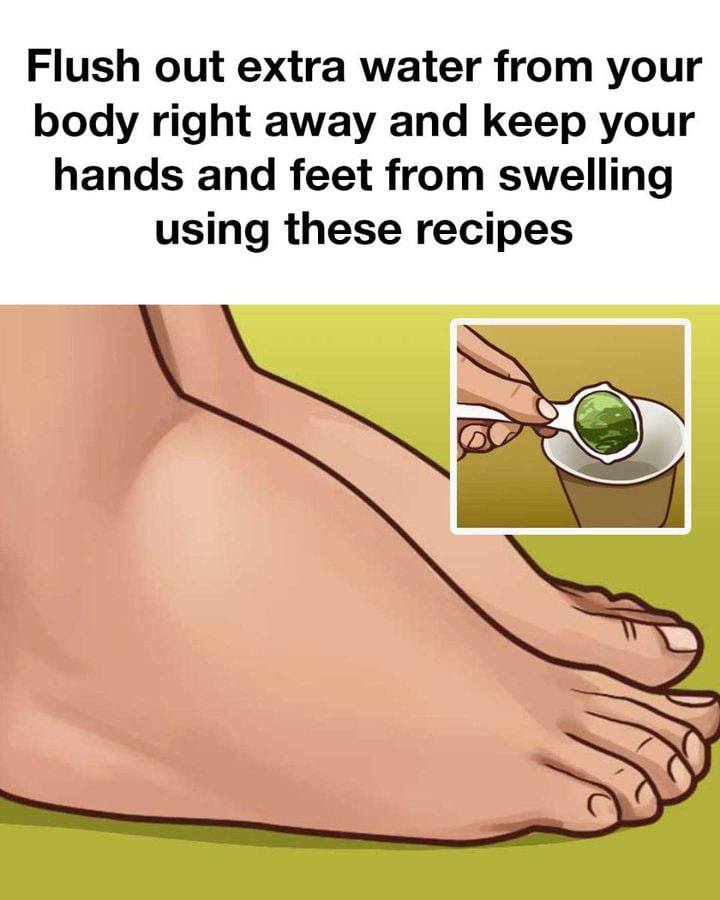
Water retention, medically known as edema, occurs when excess fluid builds up in the body’s tissues. It can affect the feet, ankles, legs, hands, abdomen, or even the face, often causing swelling, discomfort, and a heavy feeling. While edema is sometimes harmless and temporary, persistent or severe swelling may signal an underlying health issue. Understanding its causes, recognizing symptoms early, and using safe, natural strategies can help manage and prevent fluid retention effectively.
🚀 Make Money Online – Up to $50 Per Day!
What Causes Water Retention (Edema)?
Edema develops when fluid leaks from tiny blood vessels (capillaries) into surrounding tissues or when the body retains more sodium and water than it should. Common causes include:
1. Excess Salt Intake
Sodium helps regulate fluid balance, but too much salt causes the body to hold onto water. Processed foods, fast food, and salty snacks are major contributors.
2. Hormonal Changes
Hormonal fluctuations—especially during pregnancy, menstruation, or menopause—can trigger water retention. Estrogen and progesterone shifts affect how the kidneys handle fluids.
3. Prolonged Sitting or Standing
Long periods of immobility (such as long flights or desk work) allow fluid to pool in the lower legs and feet due to gravity.
4. Dehydration
Ironically, not drinking enough water can cause the body to conserve fluids, leading to swelling.
5. Medical Conditions
Chronic edema may be linked to heart disease, kidney or liver problems, thyroid disorders, venous insufficiency, or lymphatic system issues.
6. Medications
Some blood pressure drugs, corticosteroids, NSAIDs, and hormonal medications can promote fluid retention.
Common Symptoms of Edema
Symptoms can vary depending on the cause and severity, but typical signs include:
-
Swelling in the feet, ankles, legs, hands, or face
-
Tight, shiny, or stretched skin
-
Puffiness that leaves a dent when pressed (pitting edema)
-
Stiff joints or reduced flexibility
-
A feeling of heaviness or discomfort
-
Rapid weight gain due to fluid buildup
If swelling is sudden, painful, affects only one limb, or is accompanied by shortness of breath or chest pain, medical attention is essential.
How to Prevent Water Retention
Prevention focuses on supporting healthy circulation, kidney function, and fluid balance.
1. Reduce Sodium Intake
Limit processed foods and cook more meals at home. Use herbs, garlic, lemon, and spices for flavor instead of salt.
2. Stay Hydrated
Drinking enough water helps flush excess sodium and prevents the body from storing fluids defensively.
3. Move Regularly
Simple movements—walking, stretching, or ankle rotations—improve circulation and reduce fluid pooling, especially if you sit for long periods.
4. Elevate Your Legs
Raising your legs above heart level for 15–30 minutes a day helps excess fluid return to circulation.
5. Maintain a Balanced Diet
Foods rich in potassium, magnesium, and protein support fluid regulation and reduce swelling.
Natural Treatments for Water Retention (UNIE Approach)
Natural remedies can help mild to moderate edema when combined with healthy lifestyle habits. These approaches are supportive, not substitutes for medical care.
1. Potassium-Rich Foods
Potassium counteracts sodium and helps balance fluids. Include bananas, avocados, sweet potatoes, spinach, tomatoes, and coconut water.
2. Magnesium Support
Low magnesium levels can worsen fluid retention, particularly around the menstrual cycle. Leafy greens, nuts, seeds, whole grains, and dark chocolate are excellent sources.
3. Herbal Teas
Certain herbs act as gentle natural diuretics:
-
Dandelion tea supports kidney function
-
Parsley tea helps flush excess fluid
-
Green tea improves circulation and reduces inflammation
Drink in moderation and avoid if you have kidney issues unless advised by a professional.
4. Anti-Inflammatory Foods
Chronic inflammation can worsen edema. Focus on turmeric, ginger, berries, olive oil, fatty fish, and leafy greens to calm inflammation and support circulation.
5. Epsom Salt Soaks
Soaking feet or the whole body in warm water with Epsom salt may reduce swelling and relax tissues by allowing magnesium absorption through the skin.
6. Compression and Massage
Gentle massage toward the heart and the use of compression socks can improve lymphatic drainage and reduce lower-leg swelling.
7. Adequate Protein Intake
Low protein levels can cause fluid to leak into tissues. Ensure adequate protein from eggs, fish, poultry, legumes, or dairy to maintain proper fluid balance.
When to Seek Medical Advice
While occasional swelling is common, consult a healthcare provider if:
-
Edema is persistent or worsening
-
Swelling is sudden or severe
-
One leg is significantly more swollen than the other
-
You experience shortness of breath, chest pain, or skin discoloration
These may indicate serious conditions requiring medical treatment.
Final Thoughts
Water retention (edema) is often manageable with mindful lifestyle choices, balanced nutrition, and natural supportive remedies. By reducing salt, staying hydrated, moving your body, and using gentle natural treatments, many people can ease swelling and discomfort. However, persistent or unexplained edema should never be ignored. Listening to your body and addressing the root cause is the key to long-term relief and overall health.
