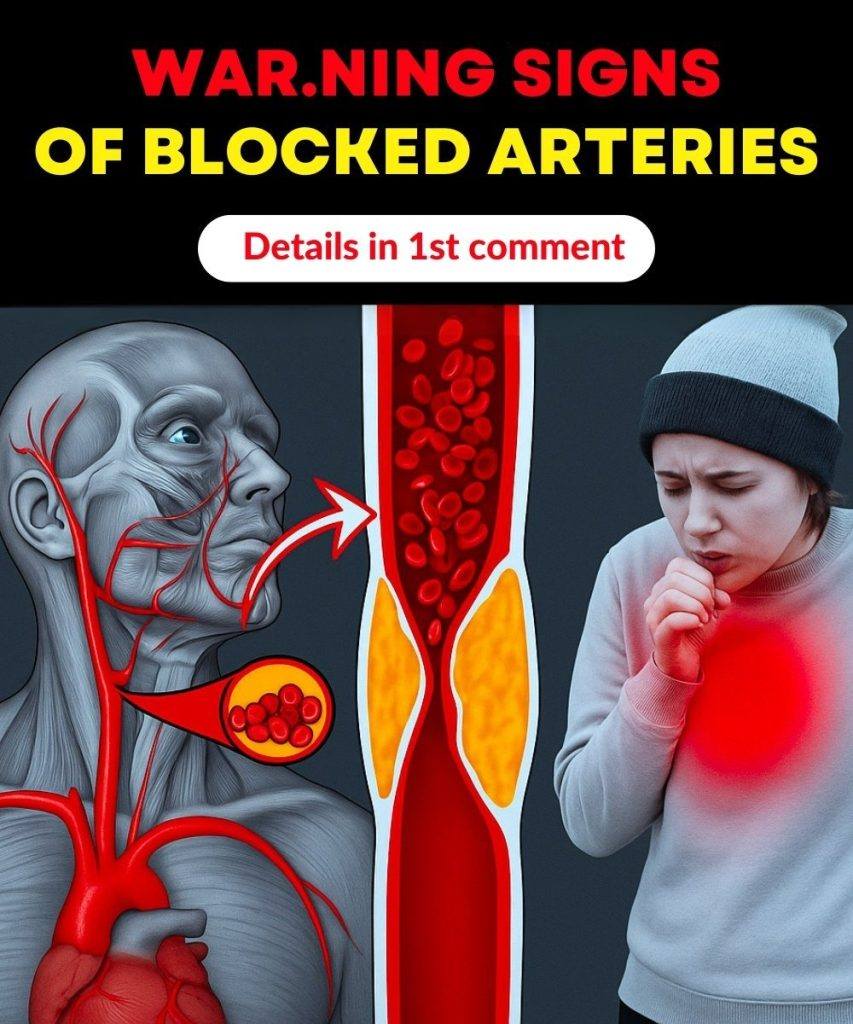
Arterial blockages don’t usually announce themselves with dramatic symptoms. In many people, they develop quietly over years, narrowing blood vessels and reducing blood flow long before a heart attack or stroke occurs. This is what makes them so dangerous—and why recognizing the silent signs matters. Understanding these early warning clues can help you seek medical attention sooner, make lifestyle changes, and potentially prevent life-threatening complications.
🚀 Make Money Online – Up to $50 Per Day!
What Are Arterial Blockages?
Arterial blockages are most commonly caused by atherosclerosis, a condition in which fatty deposits (plaque) made of cholesterol, calcium, and other substances build up along artery walls. Over time, plaque hardens and narrows the arteries, limiting oxygen-rich blood flow to vital organs such as the heart, brain, legs, and kidneys.
Because this process is gradual, the body often adapts—masking symptoms until the blockage becomes severe.
1. Unexplained Fatigue
Feeling constantly tired, even after adequate rest, can be an early and often overlooked sign. When arteries are narrowed, your heart must work harder to pump blood throughout the body. Reduced circulation means muscles and organs receive less oxygen, leading to persistent fatigue or weakness without an obvious cause.
This type of tiredness is different from normal exhaustion—it lingers and may worsen with mild physical activity.
2. Shortness of Breath
If arteries supplying the heart are partially blocked, the heart may struggle to keep up with the body’s oxygen demands. This can cause shortness of breath during simple tasks like walking, climbing stairs, or even talking for long periods.
Many people mistakenly attribute this to aging, weight gain, or lack of fitness, but it can be an early signal of coronary artery disease.
3. Chest Discomfort That Comes and Goes
Not all heart-related chest pain feels intense or crushing. Early arterial blockages may cause mild pressure, tightness, burning, or discomfort that appears during exertion and disappears with rest. Because it’s subtle and temporary, people often ignore it.
This intermittent chest discomfort—sometimes called silent angina—should never be dismissed.
4. Cold Hands and Feet
Poor circulation caused by blocked peripheral arteries can reduce blood flow to the extremities. You may notice your hands or feet feeling unusually cold, even in warm environments. In some cases, skin may appear pale or slightly bluish.
This can be an early sign of peripheral artery disease (PAD), a condition linked to higher risks of heart attack and stroke.
5. Leg Pain While Walking
A classic but often ignored sign of arterial blockages in the legs is pain, cramping, or heaviness while walking that improves with rest. This condition, called claudication, occurs because muscles aren’t receiving enough oxygenated blood during movement.
People frequently blame this discomfort on muscle strain, arthritis, or aging, delaying diagnosis.
6. Erectile Dysfunction
In men, erectile dysfunction (ED) can be one of the earliest signs of arterial disease. The arteries supplying blood to the penis are smaller than coronary arteries, so they may show symptoms of blockage earlier.
When ED appears without clear psychological or hormonal causes, it can be a warning sign of underlying cardiovascular issues.
7. Dizziness or Trouble Concentrating
Reduced blood flow to the brain can lead to dizziness, lightheadedness, memory problems, or difficulty concentrating. These symptoms may come and go, making them easy to overlook.
In more serious cases, arterial blockages in the neck (carotid arteries) can increase the risk of transient ischemic attacks (mini-strokes) or full strokes.
8. Slow-Healing Wounds
Cuts or sores—especially on the feet and legs—that take an unusually long time to heal may signal poor circulation. When blood flow is compromised, the body struggles to deliver nutrients and oxygen needed for tissue repair.
This sign is particularly important for people with diabetes, who already face a higher risk of arterial disease.
Why These Signs Are Often Ignored
The biggest danger of arterial blockages is their subtlety. Symptoms are often mild, intermittent, or attributed to stress, aging, or lifestyle factors. Many people feel “mostly fine” until a major event such as a heart attack or stroke occurs.
Listening to your body and noticing changes—no matter how small—can make a critical difference.
When to Take Action
If you experience several of these symptoms, or notice they are becoming more frequent or severe, it’s important to consult a healthcare professional. Early evaluation may include blood tests, blood pressure checks, imaging studies, or stress tests to assess arterial health.
Lifestyle changes such as improving diet, increasing physical activity, quitting smoking, managing stress, and controlling blood sugar and cholesterol can significantly slow or even stabilize plaque buildup.
Final Thoughts
Arterial blockages rarely shout—they whisper. Fatigue, cold feet, mild chest discomfort, or leg pain may seem harmless on their own, but together they can form a clear warning pattern. Paying attention to these silent signs and acting early can protect your heart, brain, and overall health.
