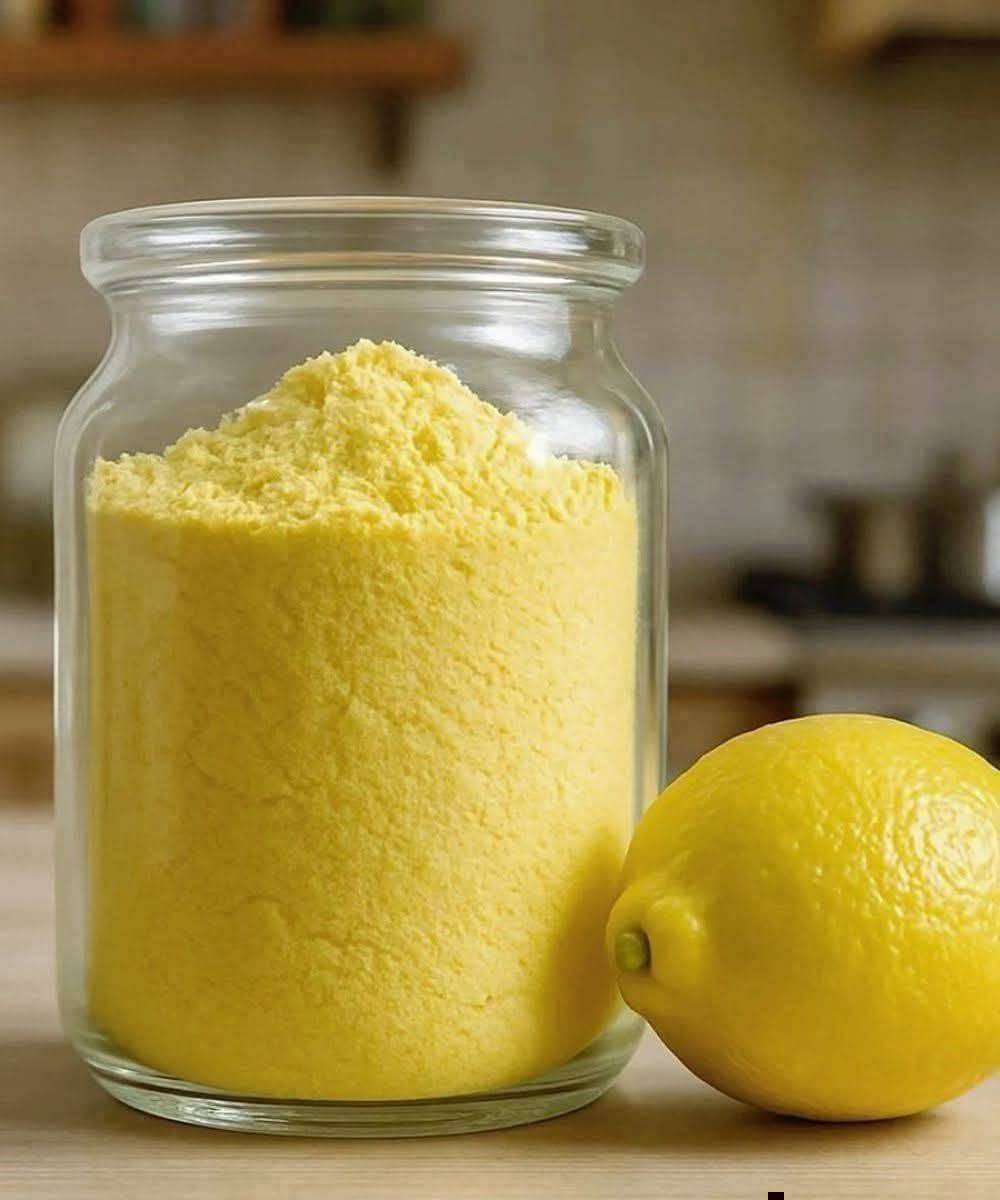
Making lemon powder is surprisingly easy, wonderfully economical, and incredibly useful in the kitchen. This bright, aromatic powder captures the pure essence of fresh lemons in a shelf-stable form that can be used anytime you want a burst of citrus flavor—no squeezing, no waste, and no spoilage. Whether you sprinkle it over roasted vegetables, stir it into tea, or use it in baking, homemade lemon powder is one of those simple pantry upgrades that feels almost magical once you start using it.
🚀 Make Money Online – Up to $50 Per Day!
Homemade Lemon Powder (Easy & Natural)
Why Make Lemon Powder at Home?
Store-bought citrus powders are often expensive and may contain preservatives, artificial flavors, or added sugar. Making lemon powder at home allows you to:
-
Use 100% real lemons
-
Avoid waste by using leftover peels
-
Control flavor intensity
-
Save money
-
Enjoy long shelf life (up to a year when stored properly)
Most importantly, homemade lemon powder tastes fresher and brighter than anything you’ll buy.
Ingredients (Only One!)
-
Fresh lemons (organic preferred)
That’s it. No additives. No fillers.
Equipment Needed
-
Sharp knife or vegetable peeler
-
Baking tray or dehydrator trays
-
Oven or food dehydrator
-
Blender, spice grinder, or coffee grinder
-
Fine mesh sieve (optional)
-
Airtight glass jar
Step 1: Choose and Prepare the Lemons
Select firm, brightly colored lemons with smooth skin. Organic lemons are best since you’ll be using the peel, but conventional lemons work too if washed thoroughly.
Wash the lemons under warm running water, scrubbing gently to remove wax and residue. Pat completely dry with a clean towel.
Step 2: Peel the Lemons Carefully
Using a vegetable peeler or sharp knife, remove only the yellow outer zest, avoiding the white pith underneath. The pith is bitter and can affect the final flavor.
If you want a slightly tangier powder, you can slice the lemons thinly instead of peeling them, but this will produce a stronger, more sour powder.
Step 3: Dry the Lemon Peels
Drying is the most important step. The peels must be completely moisture-free before grinding.
Oven Method (Most Common)
-
Preheat oven to 170°F (75°C) or the lowest possible setting.
-
Spread lemon peels in a single layer on a baking tray lined with parchment paper.
-
Place in the oven with the door slightly open to allow moisture to escape.
-
Dry for 2–3 hours, flipping peels occasionally.
-
Peels are ready when they snap cleanly and feel brittle.
Dehydrator Method
-
Set dehydrator to 115–125°F (46–52°C)
-
Dry for 6–8 hours until fully crisp
Air-Dry Method (Traditional)
-
Place peels on a clean cloth or tray
-
Keep in a warm, dry, well-ventilated area
-
Takes 3–5 days, depending on humidity
Step 4: Grind Into Powder
Once completely dry, allow the peels to cool. Transfer them to a blender, spice grinder, or coffee grinder.
Grind until a fine powder forms. If needed, sift through a fine mesh sieve and re-grind any coarse pieces.
At this stage, your kitchen will smell wonderfully fresh and citrusy.
Step 5: Store Properly
Transfer lemon powder to an airtight glass jar. Store in a cool, dark place away from moisture and heat.
Shelf life:
-
Up to 12 months when kept dry
-
Always use a dry spoon to prevent clumping
Optional Flavor Variations
-
Sweet Lemon Powder: Mix with powdered sugar (1:1) for desserts
-
Lemon Salt: Combine with sea salt for seasoning
-
Lemon Pepper: Mix with black pepper and garlic powder
-
Herbal Lemon Powder: Add dried thyme or rosemary before grinding
How to Use Lemon Powder
Lemon powder is incredibly versatile. A little goes a long way.
In Cooking
-
Sprinkle over roasted vegetables, potatoes, or grilled meats
-
Add to soups, stews, or rice
-
Season fish, chicken, or shrimp
-
Mix into salad dressings or marinades
In Baking
-
Add to cakes, cookies, muffins, and bread
-
Flavor frostings, glazes, and fillings
-
Enhance cheesecake or shortbread
In Drinks
-
Stir into tea or warm water
-
Add to smoothies
-
Mix into homemade lemonade
Household Uses
-
Natural deodorizer for jars and fridges
-
Gentle cleaner when mixed with baking soda
Tips for Best Results
-
Ensure peels are 100% dry before grinding
-
Avoid high heat—it destroys aroma
-
Store away from humidity
-
Use organic lemons for the cleanest flavor
Final Thoughts
Making lemon powder at home truly is easy, satisfying, and incredibly rewarding. With just one ingredient and a bit of patience, you create a powerful flavor booster that transforms everyday dishes into something special. Once you start using lemon powder, you’ll wonder how you ever cooked without it.
