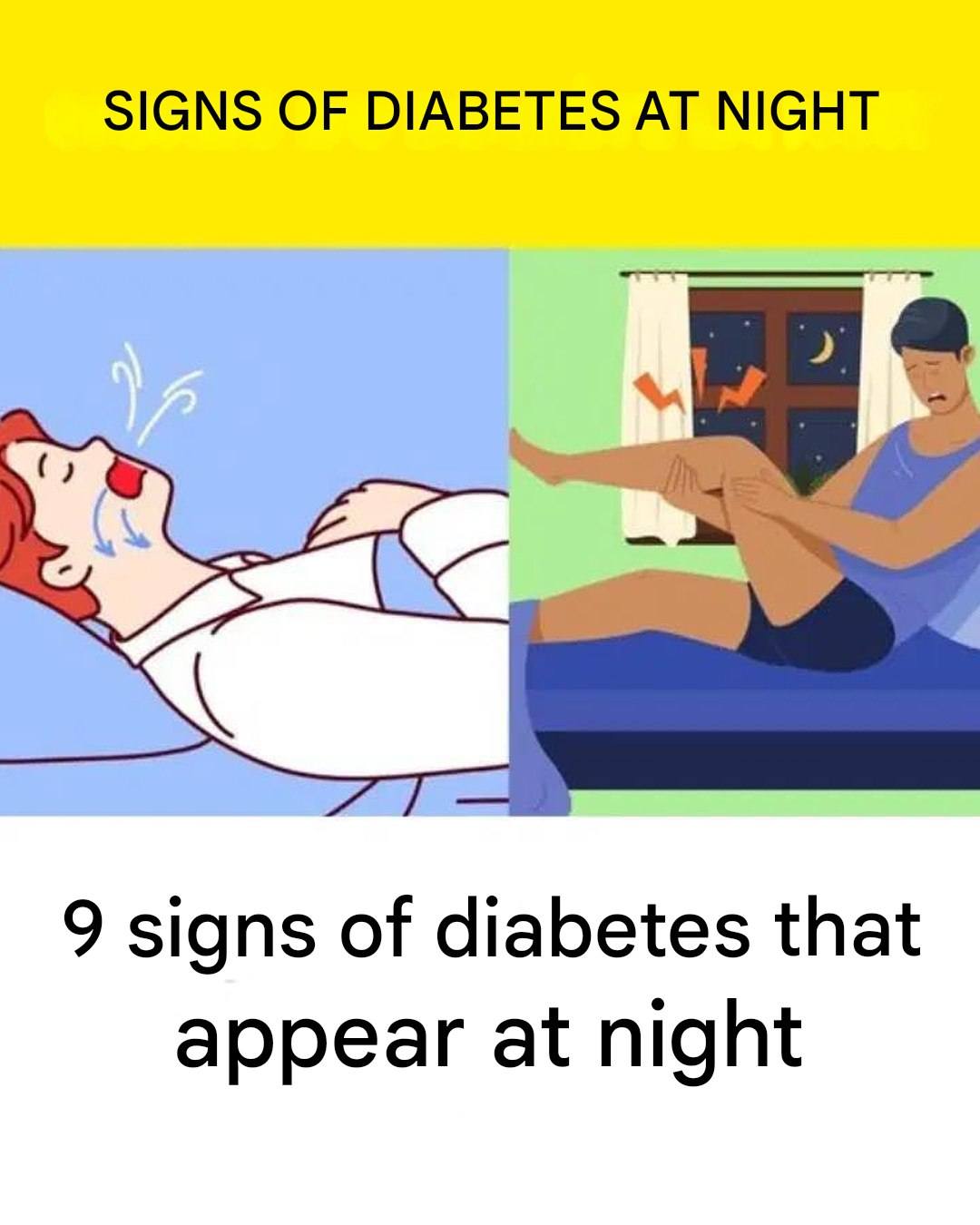
Diabetes is often called a “silent condition” because many of its early symptoms develop slowly and subtly. For many people, the first noticeable signs actually show up at night. When the body struggles to regulate blood sugar, nighttime becomes especially challenging because hormones shift, metabolism slows, and long periods pass without eating. If you consistently experience certain symptoms after sundown or while sleeping, they could be red flags pointing toward diabetes or prediabetes. Here are nine important nighttime signs you should never ignore.
🚀 Make Money Online – Up to $50 Per Day!
1. Frequent Nighttime Urination (Nocturia)
One of the most common nighttime signs of diabetes is waking up multiple times to urinate. When blood sugar is high, the kidneys work overtime to filter excess glucose from the bloodstream. This pulls more water into the urine, increasing its volume. If you find yourself waking up two, three, or more times each night to use the bathroom, despite drinking your normal amount of fluids, it may be related to blood sugar imbalance. Nocturia is disruptive, exhausting, and often the first symptom people notice.
2. Excessive Thirst at Night
Frequent urination leads to another hallmark symptom: intense thirst. High blood sugar dehydrates the body, causing you to crave water, juice, or other fluids after dark. Some people even keep a water bottle by the bed because their mouth feels dry all night. If your thirst doesn’t match your daytime activity or temperature, or if it wakes you up repeatedly, it’s worth paying attention.
3. Night Sweats
Sweating at night can be a sign of fluctuating blood sugar levels, especially if you wake up drenched. Low blood sugar (hypoglycemia) can trigger a stress response where the body releases adrenaline, leading to clammy skin, rapid heartbeat, and sudden sweating. This is especially common in people with Type 2 diabetes who take medication that can lower blood sugar too much — but it can also happen during early stages of blood sugar dysregulation.
4. Trouble Falling or Staying Asleep
High blood sugar can make you feel wired, uneasy, or restless. Low blood sugar, on the other hand, causes your body to release hormones that interfere with restful sleep. Many people with undiagnosed diabetes report waking up frequently, tossing and turning, or feeling unrested in the morning no matter how long they sleep. Poor sleep itself raises blood sugar, creating a frustrating cycle.
5. Tingling, Numbness, or Burning in the Feet
This symptom, often worse at night, can be a sign of diabetic neuropathy — nerve damage caused by prolonged high blood sugar. You may feel burning sensations, pins and needles, or numbness in your feet and legs. Since you’re lying still at night, these sensations become more noticeable. Even in early stages of diabetes, nerves can become irritated when sugar levels remain elevated for long periods.
6. Increased Hunger at Night
Feeling extremely hungry late at night, even after eating a normal dinner, may be linked to poor glucose regulation. When the body cannot use sugar properly for energy, it sends false hunger signals. Nighttime hunger may also be your body’s response to falling blood sugar levels, pushing you to eat something to stabilize it. This constant cycle of hunger and snacking can worsen blood sugar issues over time.
7. Dry Mouth or Sticky Saliva
High glucose levels reduce saliva production, which can cause your mouth to feel unusually dry after dark. Many people notice they wake up with cracked lips, a sore throat, or a sticky film inside the mouth. Saliva is essential for protecting teeth and gums, so persistent nighttime dry mouth can also lead to dental issues such as cavities and gum disease.
8. Blurry Vision at Night
Fluctuating blood sugar affects the fluid balance in the eyes, temporarily altering the shape of the lens. Because your body is fasting while you sleep, glucose levels can swing up or down more dramatically, leading to blurry vision when you wake up or when you try to fall asleep. If night vision suddenly becomes unstable, diabetes could be the underlying cause.
9. Unexplained Fatigue Upon Waking
Even after a full night’s rest, diabetes can leave you feeling exhausted in the morning. When blood sugar is too high, the body struggles to convert glucose into usable energy. This means your cells remain “starved” despite plenty of sugar in the bloodstream. Additionally, sleep interruptions from thirst, urination, or night sweats worsen fatigue.
When to See a Doctor
Experiencing one of these symptoms occasionally isn’t unusual, but consistent nighttime symptoms should not be ignored. Early detection of diabetes can prevent serious complications and help you manage your health more effectively. A simple blood test — fasting glucose, HbA1c, or an oral glucose tolerance test — can give clear answers.
