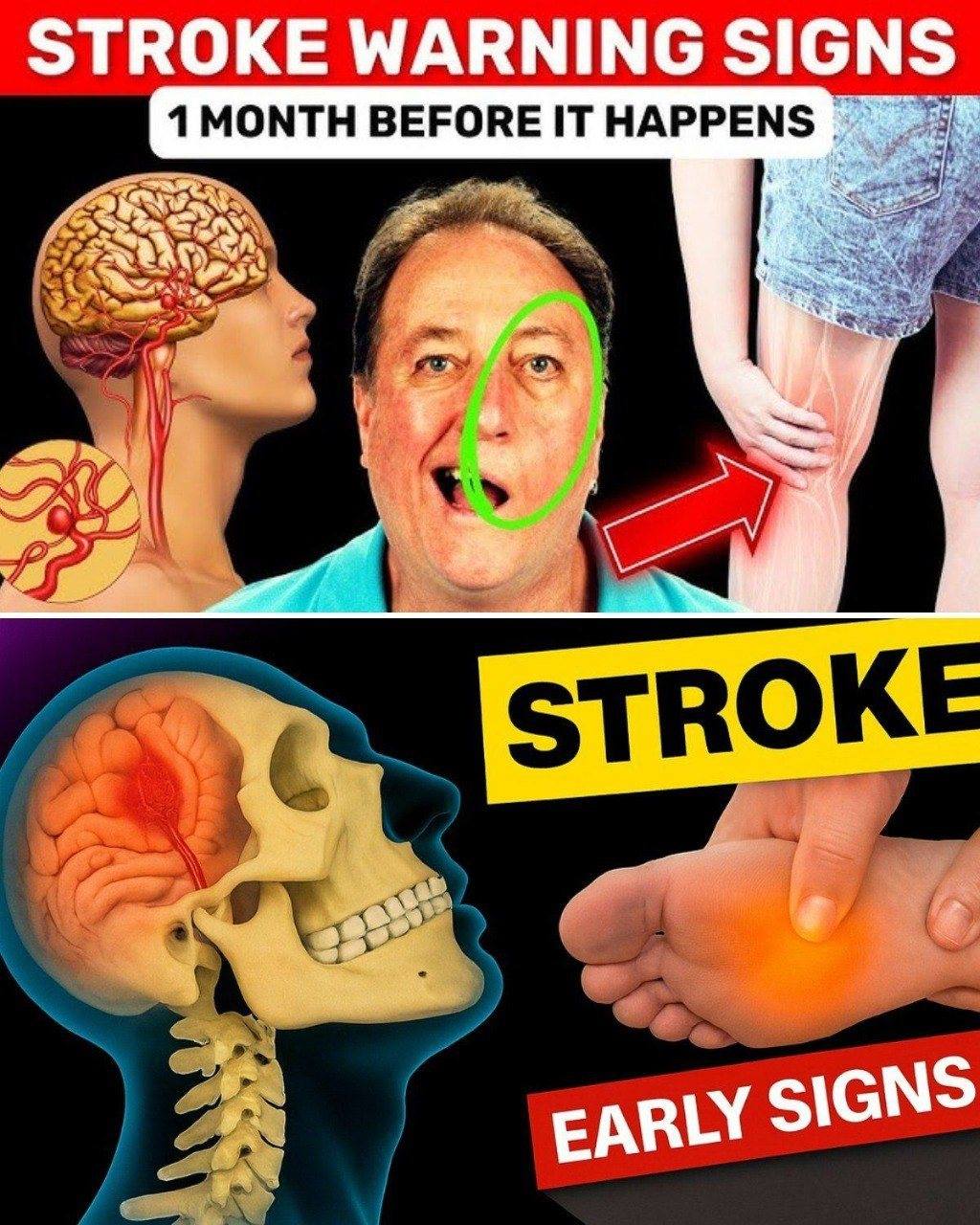
8 Warning Signs of Stroke One Month Before + 9 Powerful Tips to Prevent It
A stroke doesn’t always happen without warning. In many cases, the body sends subtle signals weeks before a major event. Recognizing these early warning signs could save a life — possibly your own or someone you love. Understanding prevention is just as important, because up to 80% of strokes are preventable with the right lifestyle changes.
Stroke occurs when blood flow to the brain is blocked (ischemic stroke) or when a blood vessel bursts (hemorrhagic stroke). According to the World Health Organization, stroke is one of the leading causes of death and long-term disability worldwide.
Let’s explore the early warning signs that may appear up to a month before a stroke — and the powerful steps you can take to reduce your risk.
8 Warning Signs of Stroke One Month Before
1. Sudden Weakness or Numbness
Temporary weakness or numbness in the face, arm, or leg — especially on one side of the body — is a major red flag. Even if it disappears quickly, it may be a transient ischemic attack (TIA), often called a “mini-stroke.”
2. Frequent Severe Headaches
Unusual, intense headaches with no known cause could signal changes in brain blood flow. If headaches feel different from your usual pattern, take them seriously.
3. Dizziness and Loss of Balance
Sudden dizziness, trouble walking, or loss of coordination may indicate reduced blood flow to the brain.
4. Blurred or Double Vision
Vision changes in one or both eyes — including temporary blindness — can occur before a stroke.
5. Slurred Speech
Difficulty speaking, forming words, or understanding conversations is one of the most common early symptoms.
6. Sudden Confusion
Memory lapses or confusion that appear suddenly may indicate neurological issues.
7. Facial Drooping
One side of the face may sag or feel numb. Ask the person to smile — uneven movement is a warning sign.
8. Brief Episodes of Chest Pain or Shortness of Breath
While more commonly linked to heart issues, cardiovascular problems increase stroke risk significantly.
If any of these symptoms appear — even temporarily — seek medical attention immediately. Early intervention can prevent permanent brain damage.
9 Powerful Tips to Prevent Stroke
Prevention is where you have real control. Small changes can dramatically lower your risk.
1. Control High Blood Pressure
High blood pressure is the number one risk factor for stroke. Regular monitoring and medication (if prescribed) are crucial.
2. Manage Blood Sugar Levels
Diabetes damages blood vessels and increases clot risk. Maintain stable glucose levels through diet and exercise.
3. Lower Cholesterol Naturally
Eat fiber-rich foods like oats, beans, fruits, and vegetables. Reduce trans fats and processed foods.
4. Quit Smoking
Smoking damages blood vessels and thickens blood. Quitting immediately reduces stroke risk within months.
5. Maintain a Healthy Weight
Excess weight increases blood pressure, diabetes risk, and cholesterol imbalance.
6. Exercise Regularly
Aim for at least 30 minutes of moderate activity five days a week. Walking, swimming, or cycling improve circulation and heart health.
7. Reduce Salt Intake
Too much sodium raises blood pressure. Choose fresh foods over processed options.
8. Limit Alcohol Consumption
Heavy drinking raises blood pressure and increases stroke risk.
9. Eat a Brain-Healthy Diet
Consider following dietary patterns like the Mediterranean diet, which emphasizes olive oil, fish, nuts, whole grains, and vegetables. Studies show it reduces cardiovascular and stroke risk.
Bonus: Remember FAST
Medical professionals often use the FAST method to recognize stroke quickly:
F – Face drooping
A – Arm weakness
S – Speech difficulty
T – Time to call emergency services
Immediate treatment can dramatically reduce damage.
Final Thoughts
Your body often whispers before it screams. Pay attention to subtle neurological symptoms, especially if you have risk factors like high blood pressure, diabetes, obesity, or smoking history. Stroke prevention is not complicated — it requires consistency.
Regular health checkups, stress management, quality sleep, and a balanced diet can protect your brain for years to come. If you or someone you know experiences warning signs, don’t ignore them. Acting quickly could mean the difference between recovery and lifelong disability.
