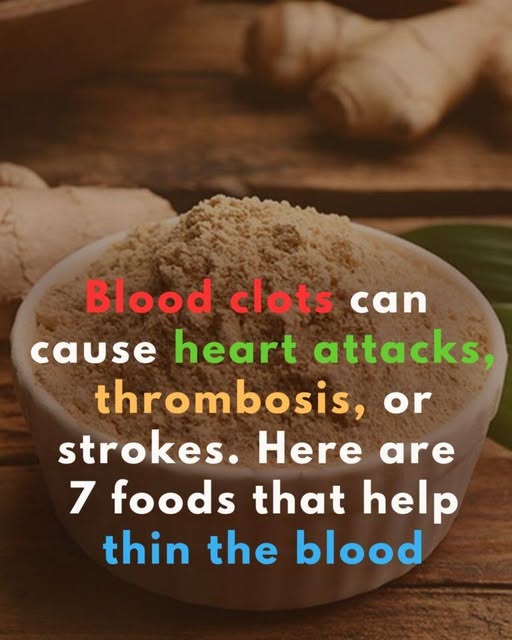
7 Powerful Blood-Thinning Foods You Need to Know About
Blood plays a vital role in carrying oxygen, nutrients, and hormones throughout the body. However, when blood becomes too thick or “sticky,” it can increase the risk of dangerous clots, strokes, and heart attacks. That’s why maintaining healthy circulation is essential — and nature provides several foods that act as natural blood thinners. These foods help prevent excessive clotting, improve flow, and support heart health without the side effects of synthetic anticoagulants (though they should never replace prescribed medication).
Here are seven powerful, science-backed blood-thinning foods you should know about.
1. Garlic – Nature’s Anticoagulant
Garlic has been used for centuries as a natural remedy for heart and circulatory problems. Modern research confirms that it contains sulfur compounds like allicin, which help reduce platelet aggregation — meaning it prevents platelets from clumping together and forming clots.
Regular garlic consumption can help lower blood pressure, reduce cholesterol, and protect against atherosclerosis (the hardening of arteries).
How to use it:
-
Eat 1–2 raw cloves daily on an empty stomach for best results.
-
Add minced or crushed garlic to soups, stir-fries, or salad dressings.
-
Avoid overcooking, as heat can reduce its beneficial compounds.
Note: If you are already taking blood-thinning medication like warfarin, consult your doctor before taking garlic supplements to prevent excessive bleeding.
2. Ginger – The Circulation Booster
Ginger is more than a soothing digestive aid — it’s also a powerful natural anticoagulant. The active compound gingerol helps prevent platelet stickiness and reduces inflammation in blood vessels. This dual action supports smoother blood flow and helps prevent clot formation.
Ginger can also lower cholesterol and blood pressure, which further protects cardiovascular health.
How to use it:
-
Drink fresh ginger tea daily (boil sliced ginger in water for 10 minutes).
-
Add grated ginger to curries, smoothies, or stir-fries.
-
A teaspoon of fresh ginger juice with honey on an empty stomach can also be effective.
Tip: Combine ginger and garlic in your meals for an even stronger blood-thinning effect.
3. Turmeric – Golden Spice for Heart Health
Turmeric’s active compound, curcumin, has been shown to prevent platelets from clumping and reduce inflammation in the circulatory system. It also improves endothelial function — the lining of blood vessels — promoting smoother, healthier blood flow.
Turmeric is one of the best natural protectors against heart disease and stroke.
How to use it:
-
Add ½ teaspoon of turmeric powder to warm milk or tea daily.
-
Incorporate it into curries, soups, and stews.
-
For enhanced absorption, always pair turmeric with black pepper and a healthy fat like olive or coconut oil.
Bonus: Curcumin’s antioxidant power also helps fight oxidative stress and aging.
4. Cinnamon – Sweet and Powerful Blood Flow Support
Cinnamon doesn’t just make your coffee or oatmeal taste better — it can help improve circulation naturally. It contains coumarin, a compound with mild anticoagulant properties that can prevent clot formation and support smooth blood flow.
Additionally, cinnamon helps regulate blood sugar and cholesterol levels, reducing the burden on your heart.
How to use it:
-
Add ½ teaspoon of Ceylon cinnamon powder to tea, smoothies, or oatmeal daily.
-
Avoid excessive use of cassia cinnamon, as it contains higher levels of coumarin, which may be harmful to the liver in large doses.
Note: Always choose Ceylon cinnamon, also known as “true cinnamon,” for safe long-term use.
5. Cayenne Pepper – Spicing Up Circulation
Cayenne pepper is loaded with capsaicin, a compound known to improve blood circulation, strengthen arteries, and reduce the risk of clots. Capsaicin helps dilate blood vessels, lowering blood pressure and improving oxygen delivery throughout the body.
Cayenne also helps dissolve fibrin — a key component of blood clots — making it one of the most effective natural blood thinners available.
How to use it:
-
Sprinkle a pinch of cayenne pepper in soups, lemon water, or salads.
-
Mix ⅛ teaspoon of cayenne powder with honey and warm water for a circulation-boosting tonic.
-
Start with small amounts, as it’s very potent and can cause stomach irritation in sensitive individuals.
6. Dark Chocolate – A Delicious Heart Protector
Good news for chocolate lovers: high-quality dark chocolate (at least 70% cocoa) contains flavonoids, plant compounds that improve blood vessel flexibility and reduce platelet stickiness. These antioxidants also lower inflammation and improve overall cardiovascular function.
Eating small amounts of dark chocolate regularly can enhance blood flow, reduce clot risk, and boost heart health without the need for added sugar.
How to use it:
-
Enjoy one or two small squares (about 20–30 grams) of dark chocolate daily.
-
Add unsweetened cocoa powder to smoothies or oatmeal.
-
Avoid milk chocolate or heavily sweetened varieties, as they can negate the benefits.
7. Omega-3 Rich Foods – Fat That Heals
Omega-3 fatty acids, found abundantly in fatty fish (like salmon, mackerel, and sardines) and plant sources (like flaxseeds, chia seeds, and walnuts), are well-known natural blood thinners. They help reduce platelet aggregation, lower triglycerides, and prevent arterial inflammation.
A regular intake of omega-3 fats supports healthy circulation, keeps arteries elastic, and reduces the risk of clot-related strokes and heart disease.
How to use it:
-
Eat fatty fish at least twice a week.
-
Add ground flaxseed or chia seeds to smoothies, yogurt, or salads.
-
Use cold-pressed flaxseed or walnut oil in dressings (never heat them).
Other Helpful Tips for Healthy Blood Flow
While these foods are powerful, they work best as part of a balanced lifestyle. To further support natural blood thinning and heart health:
-
Stay hydrated: Thick blood often results from dehydration. Drink plenty of water daily.
-
Exercise regularly: Physical movement keeps blood flowing efficiently.
-
Avoid excessive salt and sugar: Both can cause high blood pressure and damage blood vessels.
-
Limit alcohol and quit smoking: These habits severely restrict circulation and increase clotting risk.
