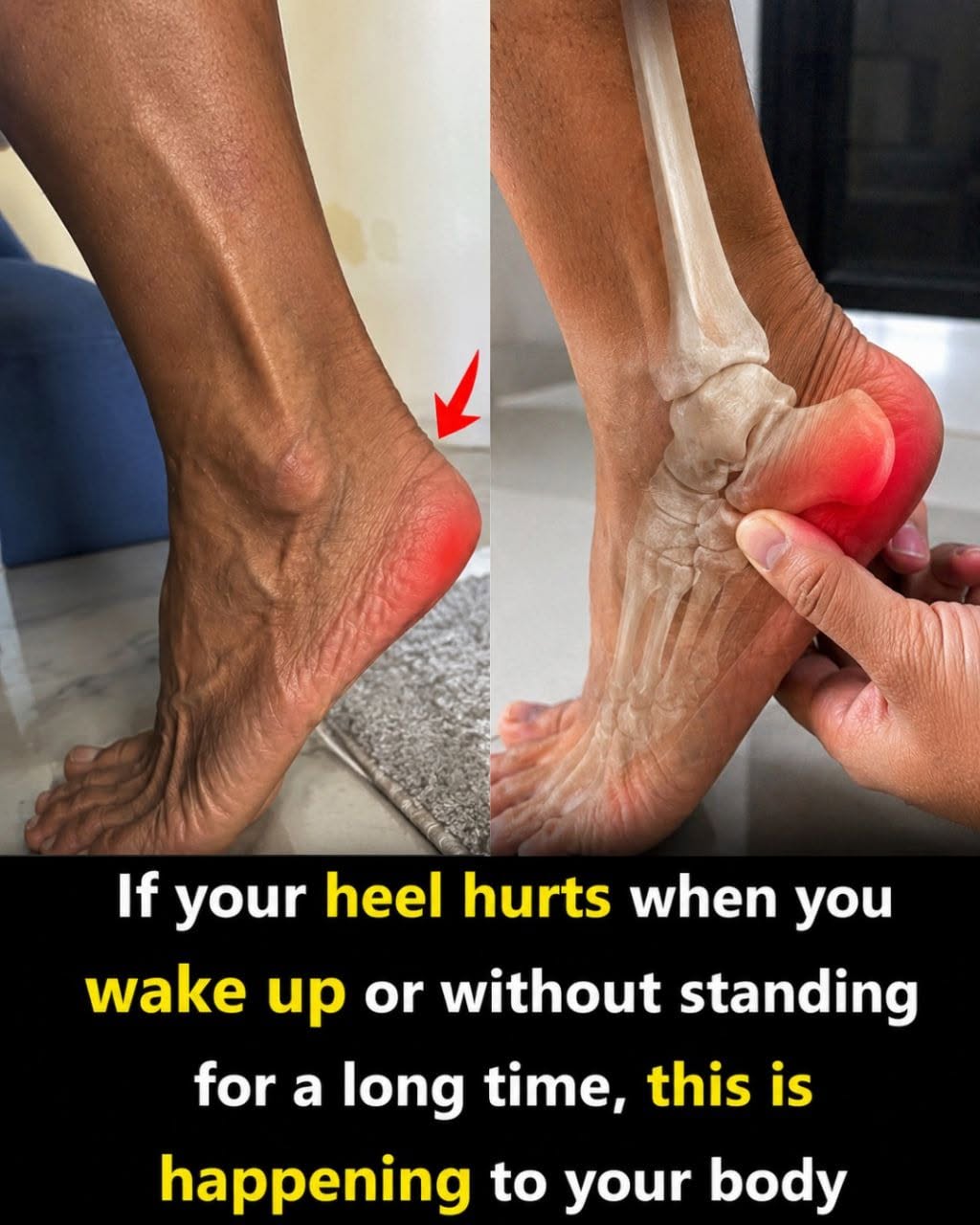
Heel discomfort can make everyday activities such as walking, climbing stairs, or standing for long periods feel challenging. While persistent or severe pain should always be evaluated by a healthcare professional, gentle stretching and strengthening exercises may help improve flexibility, support the muscles around the foot, and reduce tension that contributes to heel discomfort.
🚀 Make Money Online – Up to $50 Per Day!
The following seven exercises are simple, require little to no equipment, and can easily be incorporated into your daily routine. Perform them slowly and stop if you experience sharp or worsening pain.
1. Calf Stretch Against the Wall
Tight calf muscles can place additional stress on the heel and the tissues on the bottom of the foot. Stretching the calves regularly may help reduce this tension.
How to Do It:
- Stand facing a wall.
- Place both hands on the wall at shoulder height.
- Step one foot back while keeping the heel on the floor.
- Bend the front knee until you feel a stretch in the back leg.
- Hold for 20–30 seconds.
- Repeat 3 times on each side.
Benefits:
- Improves calf flexibility
- Reduces strain on the heel
- Supports better walking mechanics
2. Plantar Fascia Stretch
The plantar fascia is a thick band of tissue that runs along the bottom of the foot. Keeping it flexible may help ease heel discomfort.
How to Do It:
- Sit in a chair.
- Cross one foot over the opposite knee.
- Gently pull your toes toward your shin.
- You should feel a stretch along the arch of the foot.
- Hold for 20–30 seconds.
- Repeat 3–5 times per foot.
Benefits:
- Targets the sole of the foot
- Increases flexibility
- Helps reduce morning stiffness
3. Towel Toe Stretch
This simple exercise stretches both the calf and the bottom of the foot.
How to Do It:
- Sit on the floor with your legs extended.
- Loop a towel around the ball of one foot.
- Hold both ends of the towel.
- Gently pull the towel toward you while keeping your knee straight.
- Hold for 20–30 seconds.
- Repeat 3 times on each foot.
Benefits:
- Enhances flexibility
- Helps loosen tight foot tissues
- Easy to perform at home
4. Heel Raises
Strengthening the muscles that support the foot and ankle can improve stability and reduce stress on the heel.
How to Do It:
- Stand with feet shoulder-width apart.
- Slowly rise onto your toes.
- Hold for 2–3 seconds.
- Lower your heels back to the floor.
- Perform 10–15 repetitions.
- Complete 2–3 sets.
Benefits:
- Strengthens calf muscles
- Improves balance
- Supports overall foot function
5. Toe Curls with a Towel
Strong foot muscles help maintain proper arch support and may reduce pressure on the heel.
How to Do It:
- Place a small towel on the floor.
- Sit in a chair with your foot resting on the towel.
- Use your toes to scrunch the towel toward you.
- Repeat for 1–2 minutes.
- Switch feet and repeat.
Benefits:
- Strengthens foot muscles
- Improves arch support
- Enhances foot control
6. Rolling Massage Exercise
Using a small ball or frozen water bottle can gently massage the bottom of the foot.
How to Do It:
- Sit comfortably in a chair.
- Place a tennis ball, massage ball, or frozen bottle under your foot.
- Roll it slowly from heel to toes.
- Continue for 2–5 minutes.
Benefits:
- Helps relax tight tissues
- Encourages circulation
- May provide temporary relief from discomfort
7. Ankle Circles
Good ankle mobility contributes to healthier movement patterns and can reduce unnecessary strain on the feet.
How to Do It:
- Sit or lie down comfortably.
- Lift one foot off the ground.
- Slowly rotate your ankle clockwise 10 times.
- Reverse direction and rotate 10 times counterclockwise.
- Repeat with the other foot.
Benefits:
- Improves ankle mobility
- Promotes circulation
- Supports overall foot function
Additional Tips for Healthy Feet
Along with regular exercise, consider these habits to support foot health:
- Wear supportive, properly fitted footwear.
- Replace worn-out shoes when needed.
- Avoid walking barefoot on hard surfaces for long periods.
- Maintain a healthy body weight to reduce pressure on the feet.
- Stretch your feet and calves daily, especially if you spend many hours standing.
- Increase physical activity gradually to avoid overloading foot tissues.
When to Seek Medical Advice
While these exercises may help improve flexibility and strength, persistent heel pain should not be ignored. Consult a healthcare professional if:
- Pain lasts more than a few weeks.
- Walking becomes difficult.
- The heel becomes swollen or red.
- You experience numbness or tingling.
- Symptoms worsen despite rest and stretching.
Final Thoughts
Healthy feet are essential for mobility and overall well-being. Incorporating these seven simple exercises into your daily routine can help improve flexibility, strengthen supporting muscles, and promote better foot function. Consistency is key—performing these movements regularly may help keep your feet comfortable and better prepared for everyday activities. Even a few minutes of stretching and strengthening each day can make a meaningful difference in supporting long-term foot health.
