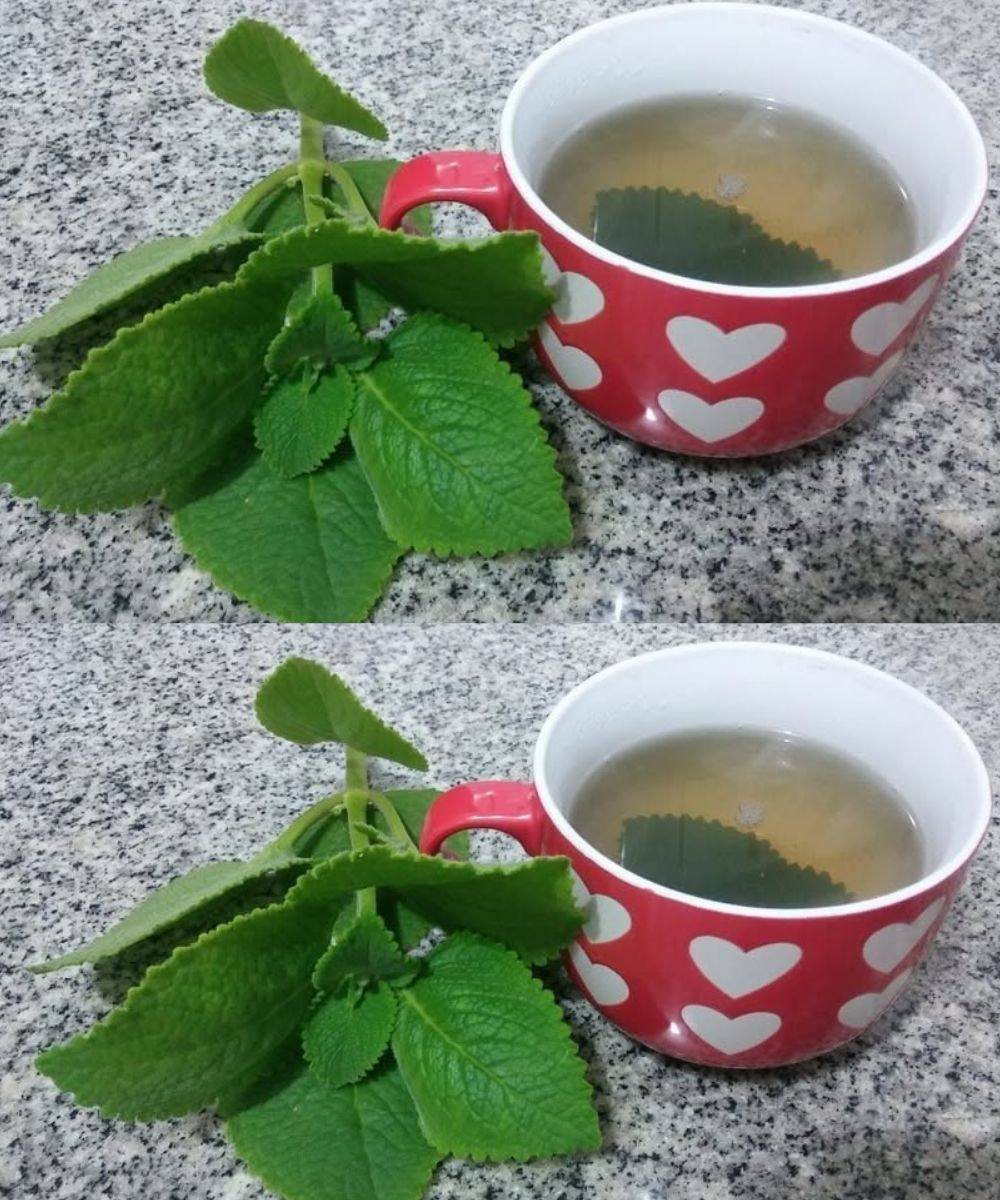
Oregano is often seen as just a simple pizza topping or pasta seasoning, but this small, fragrant herb carries impressive health benefits—especially for seniors. Used for centuries in traditional Mediterranean cooking and natural remedies, oregano is packed with powerful compounds that can support overall wellness as we age. Adding it to your daily meals is easy, affordable, and flavorful.
Here are five important reasons seniors should consider including more oregano in their diet—plus a simple way to prepare it at home.
1. Supports a Strong Immune System
As we age, our immune system naturally becomes less efficient. Oregano contains antioxidants such as carvacrol and thymol, which help fight free radicals in the body. Free radicals contribute to inflammation and weaken the immune response.
The Mediterranean diet, popularized in regions like Mediterranean Sea countries, has long included oregano as a staple herb. Research has shown that diets rich in herbs and plant-based antioxidants are linked to better immune function and reduced risk of chronic disease.
Regularly using oregano in soups, stews, or teas can provide gentle immune support without relying solely on supplements.
2. Promotes Heart Health
Heart health becomes increasingly important in the senior years. Oregano contains compounds that may help support healthy cholesterol levels and reduce inflammation in blood vessels.
Carvacrol, one of oregano’s key active ingredients, has been studied for its potential role in supporting cardiovascular function. Inflammation is a major factor in heart disease, and oregano’s natural anti-inflammatory properties can help combat that.
Instead of adding extra salt to meals—which can raise blood pressure—try using oregano to boost flavor naturally. It enhances dishes like roasted vegetables, grilled chicken, and tomato-based sauces without increasing sodium intake.
3. Aids Digestion
Digestive issues such as bloating, gas, and indigestion are common in older adults. Oregano has traditionally been used to soothe digestive discomfort. It may help stimulate bile flow, which assists in breaking down fats more efficiently.
In herbal traditions across Greece and Italy, oregano tea has been consumed after meals to ease stomach discomfort. Its natural antimicrobial properties may also help balance gut bacteria.
Adding oregano to beans, lentils, and heavier meals may reduce digestive strain and make meals more comfortable to enjoy.
4. Supports Bone Health
Bone density decreases with age, increasing the risk of fractures and osteoporosis. Oregano contains small amounts of calcium, magnesium, and vitamin K—nutrients essential for maintaining bone strength.
While oregano alone won’t replace a calcium supplement, it can contribute to overall nutrient intake when used regularly as part of a balanced diet. Seniors who enjoy Mediterranean-style cooking often benefit from herb-rich meals that naturally include bone-supporting nutrients.
Sprinkle oregano over eggs, salads, or steamed vegetables to increase both flavor and micronutrient intake.
5. May Help Fight Inflammation and Joint Discomfort
Joint pain and stiffness are common concerns for seniors. Chronic inflammation plays a role in conditions such as arthritis. Oregano’s anti-inflammatory compounds may offer mild natural support.
In traditional herbal practices, oregano oil has been used externally for muscle and joint discomfort. While essential oils should be used carefully and diluted properly, culinary oregano used in food is a safe and flavorful way to incorporate its beneficial compounds.
Consistent use of anti-inflammatory herbs like oregano, combined with a balanced diet and regular movement, may contribute to better joint comfort over time.
Simple Oregano Tea Recipe for Seniors
Here’s an easy way to enjoy oregano daily:
Ingredients:
-
1 teaspoon dried oregano (or 1 tablespoon fresh)
-
1 cup hot water
-
Optional: honey and lemon
Instructions:
-
Bring water to a gentle boil.
-
Place oregano in a cup.
-
Pour hot water over the herb.
-
Cover and let steep for 8–10 minutes.
-
Strain and add honey or lemon if desired.
-
Drink once daily, preferably after meals.
This soothing tea can support digestion, immune function, and overall wellness.
How to Add More Oregano to Everyday Meals
-
Mix into scrambled eggs or omelets
-
Sprinkle over roasted potatoes
-
Add to homemade salad dressings
-
Stir into soups and lentil dishes
-
Blend into marinades for chicken or fish
You can also combine oregano with other Mediterranean herbs like basil and thyme for extra flavor and health benefits.
Important Considerations
While oregano is generally safe when used in food amounts, seniors taking blood-thinning medications or managing specific medical conditions should consult their healthcare provider before using oregano supplements or concentrated oregano oil.
Moderation is key. A small daily amount in food or tea is typically sufficient to enjoy its benefits.
Final Thoughts
Oregano is more than just a seasoning—it’s a powerful herb with a long history of supporting health. For seniors, adding oregano to the diet may support immunity, heart health, digestion, bone strength, and inflammation management.
Simple, affordable, and easy to use, oregano proves that sometimes the smallest ingredients can make the biggest difference. By incorporating this fragrant herb into daily meals, seniors can take a flavorful step toward better overall wellness.
