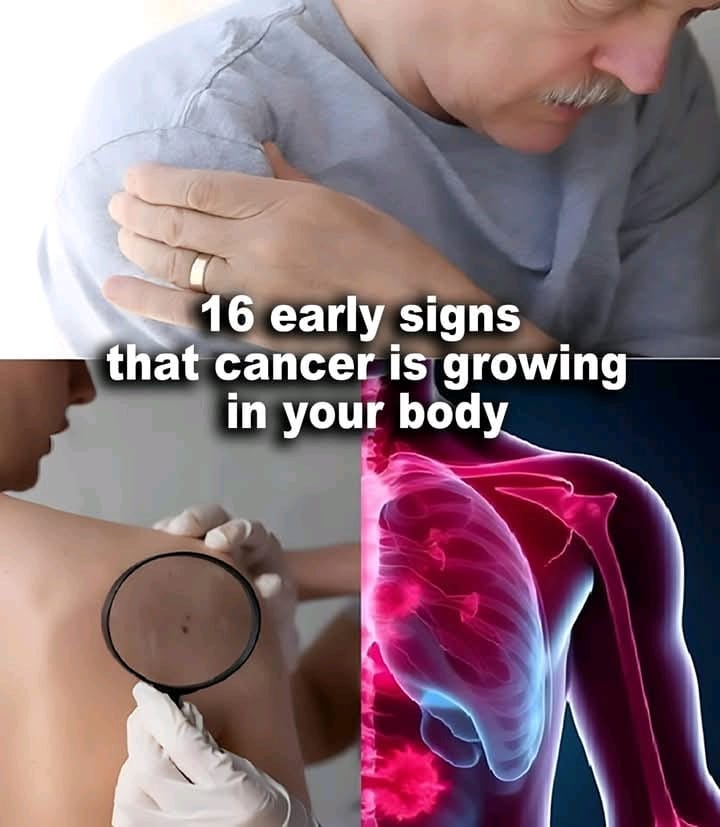
Cancer rarely appears overnight. In many cases, the body sends subtle warning signals long before the disease reaches an advanced stage. These early signs are often easy to ignore or mistake for everyday health problems, which is why awareness is so important. Recognizing changes early can lead to faster diagnosis, earlier treatment, and better outcomes.
Below are 16 early signs that may indicate cancer is developing in the body. Experiencing one or even several of these does not automatically mean cancer—but persistent or unexplained symptoms should always be discussed with a healthcare professional.
1. Unexplained Weight Loss
Losing weight without changing your diet or activity level can be an early warning sign. Certain cancers alter how the body uses energy or suppress appetite. Losing more than 5–10% of body weight within a few months deserves medical attention.
2. Persistent Fatigue
This isn’t ordinary tiredness. Cancer-related fatigue is deep, constant, and doesn’t improve with rest. It may be caused by internal inflammation, blood loss, or the body using extra energy to fight abnormal cell growth.
3. Ongoing Pain With No Clear Cause
Chronic pain—especially in the back, bones, or abdomen—that doesn’t improve or has no clear explanation can sometimes be an early signal. Cancer-related pain often worsens over time rather than improving.
4. Changes in Skin Color or Texture
Darkening, yellowing, redness, or unexplained itching of the skin can be linked to internal cancers. Changes in moles, new growths, or sores that do not heal are especially important to evaluate.
5. Lumps or Thickened Areas
A lump under the skin, particularly in the breast, neck, armpit, or groin, should never be ignored. While many lumps are benign, painless and firm masses that grow over time need medical assessment.
6. Persistent Fever or Night Sweats
Frequent low-grade fevers or night sweats without infection can indicate the immune system is reacting to something abnormal, including certain cancers like leukemia or lymphoma.
7. Difficulty Swallowing
Trouble swallowing, frequent choking, or a feeling of food getting stuck may be associated with cancers of the throat, esophagus, or stomach—especially if symptoms worsen gradually.
8. Changes in Bowel Habits
Long-term constipation, diarrhea, narrowing of stools, or a persistent feeling that the bowel doesn’t empty completely may be linked to colorectal cancer when no other cause is found.
9. Blood Where It Shouldn’t Be
Blood in the stool, urine, sputum (phlegm), or unexplained vaginal bleeding should always be taken seriously. Even small amounts can be an early clue that something is wrong.
10. Chronic Cough or Hoarseness
A cough that lasts for weeks, worsens over time, or produces blood may signal lung or throat cancer. Persistent hoarseness can also be an early sign of vocal cord involvement.
11. Loss of Appetite or Early Fullness
Feeling full after eating very little or losing interest in food for no obvious reason may be linked to stomach, pancreatic, or ovarian cancers.
12. Frequent Infections
Repeated infections or slow healing may suggest that the immune system is compromised. Certain blood cancers interfere with the body’s ability to fight illness effectively.
13. Unexplained Anemia
Low red blood cell levels can cause weakness, dizziness, and shortness of breath. Some cancers cause internal bleeding or interfere with blood cell production.
14. Persistent Bloating
Chronic bloating, especially when combined with pelvic discomfort or changes in appetite, can be an early sign of ovarian or gastrointestinal cancers.
15. Changes in Urination
Frequent urination, pain, weak urine flow, or blood in the urine may indicate bladder, prostate, or kidney cancer—particularly in older adults.
16. Mouth Sores That Don’t Heal
White patches, sores, or pain in the mouth lasting more than two weeks may signal oral cancer, especially in smokers or tobacco users.
Why Early Detection Matters
Cancer detected early is often easier to treat and more likely to be cured. Many people delay seeing a doctor because symptoms seem minor or embarrassing—but listening to your body can save your life.
Important Reminder
These signs do not confirm cancer. Many common conditions can cause similar symptoms. However, persistent, unexplained, or worsening changes should always be evaluated by a qualified medical professional.
Final Thought
Your body constantly communicates with you. Paying attention to small changes and acting early is one of the most powerful tools you have for protecting your health. When in doubt, get checked—peace of mind is always worth it.
