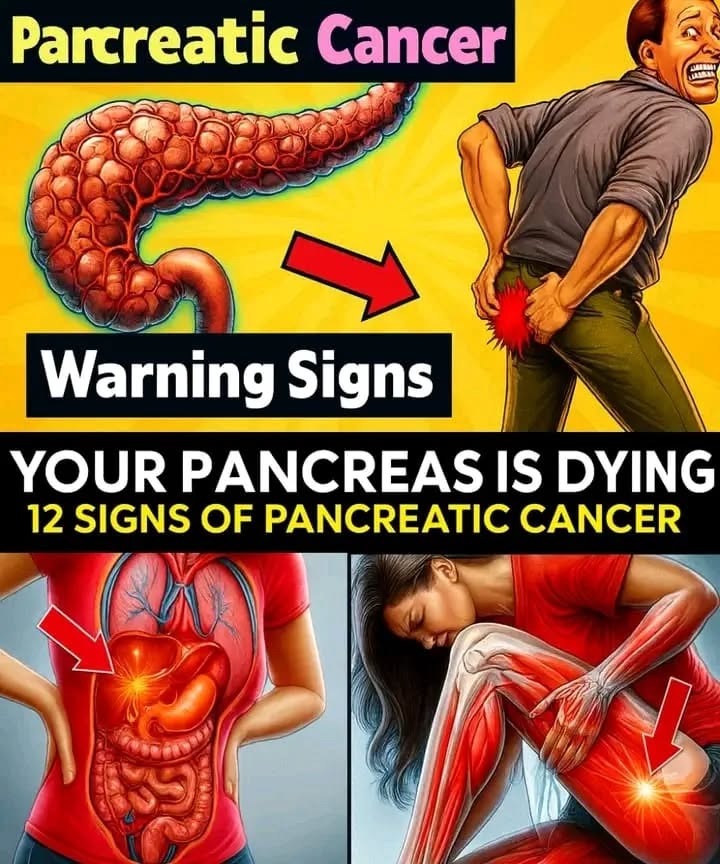
Pancreatic cancer is often called a “silent disease” because it can grow for months—or even years—without causing obvious symptoms. By the time many people realize something is wrong, the disease may already be advanced. This is why recognizing early warning signs is so important. While these symptoms can be linked to many less serious conditions, persistent or unusual changes in your body should never be ignored.
Below are 12 potential signs of pancreatic cancer that deserve attention. Awareness does not mean panic—but it can save lives.
1. Persistent Abdominal or Back Pain
A dull ache or deep pain in the upper abdomen that radiates to the back is one of the most commonly reported symptoms. This pain may worsen after eating or when lying down and improve when leaning forward. It often comes and goes at first, making it easy to dismiss.
2. Unexplained Weight Loss
Losing weight without trying is a red flag. Pancreatic cancer can affect digestion and appetite, causing the body to burn calories inefficiently. Even if you’re eating normally, the scale may continue to drop.
3. Loss of Appetite
A sudden disinterest in food—especially rich or fatty meals—can be an early sign. You may feel full quickly or feel nauseous at the thought of eating, even foods you once enjoyed.
4. Jaundice (Yellowing of Skin and Eyes)
Yellowing of the skin or whites of the eyes occurs when bile builds up in the body. This often happens when a tumor blocks the bile duct. Jaundice may also cause dark urine, pale stools, and itchy skin.
5. Digestive Problems
Because the pancreas produces enzymes essential for digestion, cancer can interfere with this process. Symptoms may include bloating, gas, diarrhea, or greasy, foul-smelling stools that float and are hard to flush.
6. New-Onset Diabetes or Sudden Blood Sugar Changes
The pancreas plays a major role in regulating blood sugar. In some cases, pancreatic cancer may trigger diabetes or cause existing diabetes to suddenly worsen, especially in adults over 50 with no family history.
7. Chronic Fatigue and Weakness
Ongoing tiredness that doesn’t improve with rest can signal that your body is fighting something serious. Cancer-related fatigue is often deeper and more persistent than everyday exhaustion.
8. Nausea and Vomiting
Tumors near the stomach can interfere with digestion, causing nausea after meals or frequent vomiting. This symptom is often overlooked or mistaken for acid reflux or gastritis.
9. Blood Clots
Unexplained blood clots, especially in the legs (deep vein thrombosis), can sometimes be an early warning sign. Symptoms include swelling, redness, pain, or warmth in one leg.
10. Changes in Stool Color or Texture
Light-colored, chalky, or greasy stools may indicate that bile isn’t reaching the intestines properly. This change is often subtle but persistent.
11. Depression or Sudden Mood Changes
Unexplained depression, anxiety, or emotional changes can sometimes appear before physical symptoms. Researchers believe chemical changes caused by pancreatic tumors may affect mood.
12. Itchy Skin Without a Rash
Severe itching, especially when accompanied by jaundice, can result from bile salts building up under the skin. This itching may be intense and difficult to relieve.
Why Early Detection Matters
Pancreatic cancer is challenging to detect early because symptoms are often vague and overlap with common digestive issues. However, catching it earlier can significantly improve treatment options and outcomes. Paying attention to persistent changes—especially a combination of symptoms—is critical.
When to See a Doctor
If you experience any of these symptoms for more than two weeks, or notice multiple symptoms occurring together, it’s important to seek medical advice. This is especially true if you have risk factors such as smoking, chronic pancreatitis, obesity, diabetes, or a family history of pancreatic cancer.
Final Thoughts
Not every stomach ache or bout of fatigue is a cause for alarm. But your body has a powerful way of signaling when something isn’t right. Listening carefully—and acting early—can make a life-changing difference.
