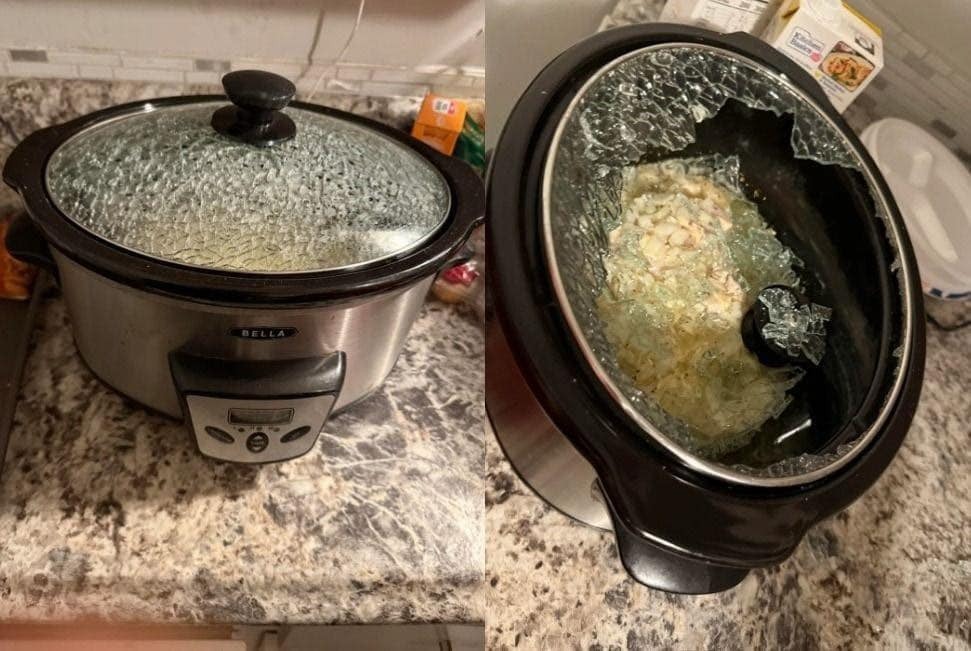
Slow cookers are beloved for their convenience—dump, set, and forget. They’re perfect for soups, stews, braises, and comfort foods that benefit from long, gentle heat. But despite their versatility, slow cookers are not a one-size-fits-all solution. Some foods simply don’t behave well during hours of low, moist cooking. They can turn mushy, bitter, unsafe, or just plain disappointing.
If you want consistently delicious results, it’s just as important to know what not to put in a slow cooker as it is to know what works. Here are 11 foods you should never put in a slow cooker, and why avoiding them will instantly improve your meals.
1. Dairy Products (Added Too Early)
Milk, cream, sour cream, cream cheese, and yogurt are all prone to curdling under long, slow heat. When cooked for hours, dairy separates into grainy solids and watery liquid, ruining the texture of your dish.
Better approach: Add dairy in the last 15–30 minutes of cooking, once the heat is lower and cooking time is nearly done.
2. Lean Cuts of Meat
Lean meats like chicken breast, pork loin, turkey breast, or extra-lean beef dry out easily in a slow cooker. Without enough fat or connective tissue, they become stringy and tough after hours of cooking.
What works instead: Use tougher, fattier cuts like chuck roast, pork shoulder, chicken thighs, or beef short ribs—they break down beautifully over time.
3. Fresh Herbs (Early On)
Fresh herbs such as basil, parsley, cilantro, and dill lose their flavor when cooked for long periods. In a slow cooker, they often turn bitter or completely flavorless.
Tip: Use dried herbs during slow cooking, and add fresh herbs right before serving for brightness and aroma.
4. Seafood
Fish, shrimp, scallops, and other seafood cook very quickly. Leaving them in a slow cooker for hours results in rubbery, overcooked protein with a strong, unpleasant smell.
Exception: Some firm fish like salmon may work if added only during the last 20–30 minutes—but in most cases, seafood is better cooked separately.
5. Pasta
Pasta absorbs liquid and releases starch as it cooks. In a slow cooker, it often turns gummy, bloated, and mushy, especially if added too early.
Smarter option: Cook pasta separately and stir it into the slow cooker just before serving, or add it only in the final 20–30 minutes with extra liquid.
6. Rice (Uncooked)
Uncooked rice can be tricky in a slow cooker. It may remain undercooked, become gluey, or cook unevenly depending on liquid levels and cooking time.
Best practice: Use parboiled rice if necessary, or cook rice separately and add it at the end for better texture and reliability.
7. Delicate Vegetables
Vegetables like zucchini, spinach, peas, asparagus, and bell peppers break down quickly. After hours in a slow cooker, they lose color, texture, and nutritional value.
Solution: Add delicate vegetables in the last 30–60 minutes so they stay vibrant and slightly crisp.
8. Raw Beans (Especially Kidney Beans)
This is a serious safety issue. Raw or undercooked kidney beans contain a toxin called phytohaemagglutinin, which is destroyed only by boiling at high temperatures. Slow cookers often don’t get hot enough.
Rule: Always use canned beans or fully pre-cooked dried beans. Never put raw dried beans directly into a slow cooker.
9. Alcohol
While alcohol burns off quickly on the stovetop, it does not evaporate efficiently in a slow cooker. This can leave your dish with a harsh, raw alcohol taste.
Fix: Reduce alcohol in a pan before adding it to the slow cooker to concentrate flavor and remove bitterness.
10. Crunchy Toppings
Breadcrumbs, croutons, fried onions, tortilla chips, and nuts lose their crunch completely in the moist environment of a slow cooker, becoming soggy and unappealing.
Better idea: Add crunchy toppings right before serving for contrast and texture.
11. Frozen Meat
Putting frozen meat directly into a slow cooker is unsafe. It keeps the food in the “danger zone” temperature range too long, allowing bacteria to multiply before the meat reaches a safe temperature.
Always: Thaw meat fully before adding it to your slow cooker.
Final Thoughts
Slow cookers are fantastic tools—but only when used wisely. Understanding their limitations helps you avoid bland flavors, unpleasant textures, and food safety risks. Think of a slow cooker as a specialist rather than an all-purpose appliance: it excels at long, gentle cooking of hearty ingredients, but struggles with delicate, quick-cooking, or temperature-sensitive foods.
