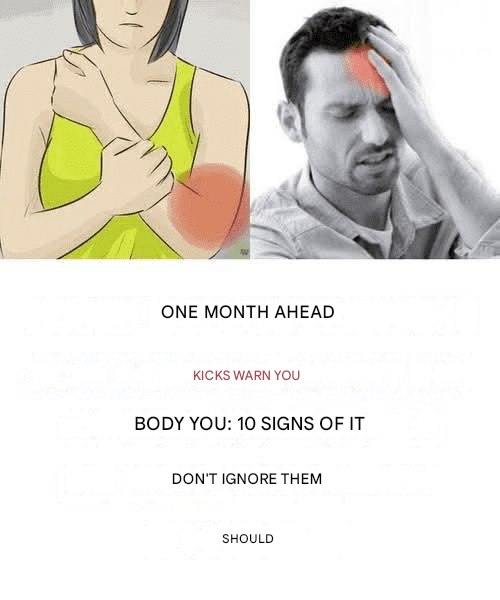
A stroke is one of the most serious medical emergencies a person can face. It happens when the blood supply to part of the brain is interrupted or reduced, preventing brain tissue from receiving oxygen and nutrients. Within minutes, brain cells begin to die. What many people don’t realize, however, is that the body often sends warning signals weeks before a stroke occurs. Recognizing these early signs can help you seek medical attention quickly and potentially prevent a life-threatening event.
Understanding these warning symptoms is especially important because early intervention can greatly reduce the risk of severe brain damage. Here are ten warning signs your body may show up to a month before a stroke that you should never ignore.
1. Sudden or Frequent Headaches
While headaches are common and often harmless, persistent or unusual headaches can sometimes signal a problem with blood flow to the brain. If you begin experiencing frequent headaches that feel different from your usual ones, it may be a warning sign. These headaches can be sharp, throbbing, or accompanied by dizziness and nausea. If the pain appears suddenly and intensely, it is important to seek medical advice.
2. Unexplained Dizziness or Loss of Balance
Feeling dizzy from time to time can happen for many reasons, but repeated episodes of dizziness or difficulty maintaining balance may indicate reduced blood flow to certain parts of the brain. Some people also notice problems with coordination, such as stumbling while walking or feeling unusually unsteady.
3. Temporary Vision Problems
Changes in vision can sometimes occur before a stroke. You may experience blurred vision, double vision, or sudden difficulty focusing on objects. Some people report temporary loss of vision in one eye or seeing dark spots or flashing lights. These visual disturbances can last only a few minutes but should still be taken seriously.
4. Weakness on One Side of the Body
One of the most common warning signs is weakness or numbness affecting one side of the body. You may notice your arm, leg, or face feeling heavy or difficult to move. Sometimes the weakness is mild at first and may come and go, which is why people often ignore it. However, this symptom can signal that the brain is not receiving enough blood.
5. Numbness or Tingling Sensations
A sudden feeling of numbness or tingling, particularly on one side of the body, can be another warning sign. This sensation may occur in the face, arm, leg, or even the lips. It may feel similar to when a limb “falls asleep,” but if it occurs unexpectedly or repeatedly, it could indicate a neurological issue.
6. Difficulty Speaking or Understanding Words
Another early sign is trouble with speech. You might find yourself struggling to form words clearly or noticing that your speech becomes slurred. Some people also have difficulty understanding what others are saying, even though their hearing is normal. These language difficulties can appear briefly and disappear, which often leads people to dismiss them.
7. Sudden Fatigue or Weakness
Extreme fatigue without a clear cause can also occur before a stroke. You may feel unusually tired even after a good night’s sleep or find everyday tasks suddenly exhausting. This fatigue may be accompanied by general weakness or a feeling that your body is not functioning normally.
8. Short-Term Memory Problems
Changes in memory or confusion can be another warning signal. Some individuals notice difficulty remembering recent events, concentrating, or following conversations. These cognitive changes can appear gradually and may be mistaken for stress or lack of sleep.
9. Facial Drooping or Uneven Smile
A subtle change in facial muscles may occur before a stroke. You might notice that one side of your face feels numb or that your smile looks uneven in the mirror. In some cases, it becomes difficult to fully close one eye or control facial expressions.
10. Sudden Increase in Blood Pressure
High blood pressure is one of the biggest risk factors for stroke. If your blood pressure suddenly becomes much higher than usual, it can strain the blood vessels in the brain. Regular monitoring of blood pressure can help detect this risk early and allow for lifestyle changes or medical treatment.
When to Seek Medical Help
If you experience any combination of these symptoms, especially if they appear suddenly or repeatedly, it is important to consult a healthcare professional immediately. In some cases, these warning signs may indicate a transient ischemic attack (TIA), often called a “mini-stroke.” Although the symptoms may disappear quickly, a TIA is a serious warning that a full stroke could occur soon.
Protecting Your Brain Health
There are several steps you can take to reduce your risk of stroke. Maintaining a healthy diet, staying physically active, managing stress, and keeping blood pressure under control are all essential habits. Avoiding smoking, limiting alcohol consumption, and maintaining a healthy weight can also help protect your cardiovascular health.
Regular health checkups are another important part of prevention. Monitoring cholesterol levels, blood sugar, and blood pressure can help detect potential problems before they become dangerous.
Final Thoughts
Your body often gives warning signs before a serious health event like a stroke. Paying attention to unusual symptoms such as dizziness, numbness, vision problems, or speech difficulties can make a life-saving difference. Never ignore these signals or assume they will go away on their own.
