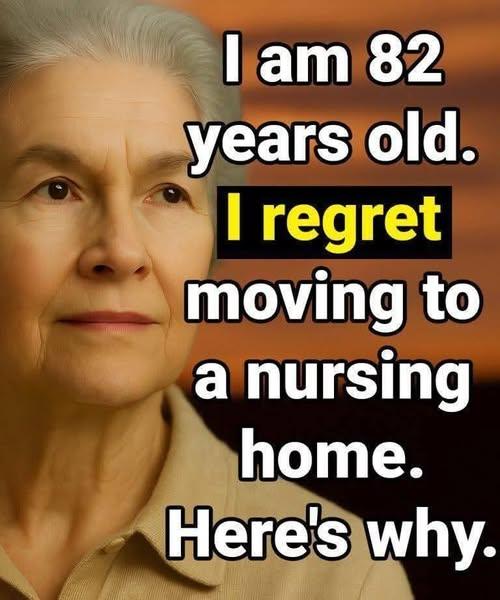
Moving into a nursing home is often seen as a practical solution—safe, structured, and supportive. For many, it promises peace of mind, both for themselves and their families. But the reality can feel very different once the transition is complete. While nursing homes serve an important purpose, there are aspects of the experience that people don’t always talk about openly. Here are six hard truths that can shape life inside a nursing home—and why some people come to regret the move.
1. Loss of Independence Hits Harder Than Expected
One of the most immediate and painful changes is the loss of independence. At home, even simple routines—making tea, choosing when to sleep, stepping outside—are done on your own terms. In a nursing home, schedules often dictate daily life: meals at fixed times, medication rounds, lights-out routines. Even if these systems are designed for safety, they can feel restrictive. Over time, needing permission or assistance for basic tasks can chip away at your sense of control and identity.
2. Privacy Becomes a Luxury
Privacy is something most people take for granted until it’s gone. Shared rooms, frequent staff check-ins, and communal living mean you rarely get true solitude. Conversations are overheard, personal space is limited, and quiet moments can be interrupted at any time. For someone used to living alone or with family, this constant exposure can feel overwhelming and, at times, emotionally exhausting.
3. Emotional Loneliness Can Persist
Ironically, being surrounded by people doesn’t guarantee meaningful connection. While there are other residents and staff around, forming deep relationships can be difficult. Differences in health, cognition, or personality can create barriers. Staff members, though often kind and dedicated, are usually busy and unable to spend extended time with any one person. As a result, feelings of loneliness and isolation can linger—even in a crowded environment.
4. Quality of Care Can Vary
Not all nursing homes provide the same level of care. Even in good facilities, staff shortages, burnout, or high turnover can affect the consistency and quality of attention residents receive. You might find yourself waiting longer for help, feeling rushed during interactions, or struggling to have your preferences understood. This inconsistency can lead to frustration and a sense of being overlooked.
5. The Emotional Weight of Being “Placed”
For many residents, the move isn’t entirely their choice. It may be driven by health concerns, family decisions, or financial realities. This can create a lingering emotional burden—a feeling of being “placed” somewhere rather than choosing to be there. It can affect self-worth and lead to resentment, even if the move was made with good intentions. Adjusting to this emotional shift is often harder than the physical relocation itself.
6. The Environment Can Feel Institutional
Despite efforts to create a warm atmosphere, many nursing homes still feel clinical or institutional. The décor, routines, and overall structure can lack the personal touch of a real home. Over time, this environment can feel impersonal, making it harder to feel truly comfortable or settled. Even small things—like not being able to cook your favorite meal or decorate freely—can contribute to a sense of displacement.
Finding a Way Forward
It’s important to recognize that not every nursing home experience is negative, and many people do find comfort, safety, and even companionship in these settings. However, understanding these potential challenges can help individuals and families make more informed decisions.
If you or a loved one are considering a move, take time to visit multiple facilities, ask detailed questions, and observe daily life there. Look beyond the brochures—talk to residents, watch how staff interact, and trust your instincts. Small details can reveal a lot about the environment.
For those already living in a nursing home and struggling with regret, there are ways to improve the experience. Personalizing your space, staying connected with family and friends, and participating in activities—even selectively—can help restore a sense of control and belonging. Advocating for your needs, or having a family member do so, can also make a meaningful difference.
Ultimately, the decision to move into a nursing home is deeply personal and often complex. Acknowledging the difficult aspects doesn’t mean the choice was wrong—it simply means the transition deserves honesty, preparation, and ongoing support. Understanding these hard truths can help you navigate the experience with clearer expectations and, hopefully, a greater sense of empowerment.
