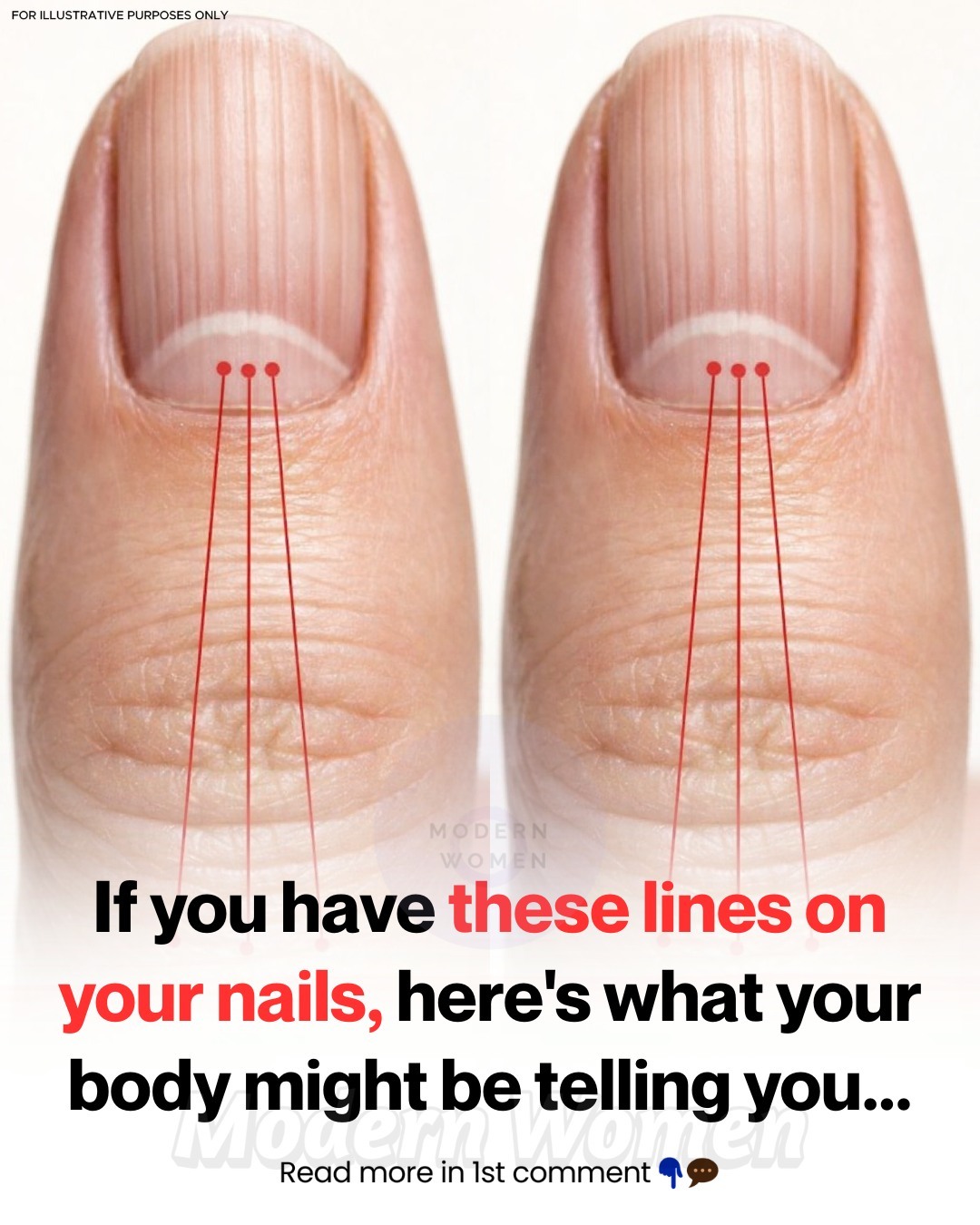
Those faint or prominent vertical lines running from the base to the tip of your nails—often called nail ridges—are something most people notice at some point. While they can seem mysterious or even concerning, they are usually harmless and often linked to natural changes in the body. Still, in some cases, they can hint at underlying health conditions or nutritional deficiencies. Understanding what these lines really reveal can help you better care for your nails and overall health.
Vertical nail ridges, also known as longitudinal ridges, typically develop as part of the aging process. Just like skin loses elasticity and develops wrinkles over time, nails also undergo structural changes. As we grow older, the rate of cell turnover slows down, and the nail matrix—the area responsible for producing nail cells—becomes less efficient. This can lead to the formation of these ridges, making them more noticeable with age. In such cases, they are completely normal and not a cause for concern.
However, vertical ridges are not always just about aging. Dehydration is another common cause. Nails require adequate moisture to maintain a smooth surface. When the body is dehydrated, nails can become dry and brittle, leading to the appearance of ridges. This is why people who frequently expose their hands to water, harsh soaps, or chemicals may notice more pronounced lines. Proper hydration, both internally by drinking water and externally through moisturizers, can significantly improve nail texture.
Nutritional deficiencies can also play a role. A lack of essential vitamins and minerals, especially iron, magnesium, or vitamin B12, can affect nail health. For instance, iron deficiency may lead to brittle nails with ridges, while insufficient vitamin intake can disrupt the nail growth process. In such cases, the ridges may be accompanied by other symptoms like fatigue, pale skin, or hair thinning. Maintaining a balanced diet rich in leafy greens, nuts, seeds, and proteins can support healthier nail growth.
Another factor to consider is trauma or damage to the nail. Even minor injuries, such as frequently tapping nails on hard surfaces or aggressive manicures, can affect the nail matrix and lead to ridges. Repeated use of nail polish removers, especially those containing acetone, can also weaken the nail surface, making ridges more visible. Gentle nail care and avoiding harsh treatments can help prevent further damage.
In some cases, vertical ridges may be associated with certain health conditions. Skin disorders like eczema or psoriasis can affect the nails, causing ridges or other irregularities. Additionally, conditions that impact circulation or the immune system may also influence nail growth. If the ridges are accompanied by discoloration, splitting, pain, or sudden changes in nail shape, it may be worth consulting a healthcare professional for further evaluation.
Interestingly, stress can also manifest in nail health. While stress is more commonly linked to horizontal ridges (known as Beau’s lines), it can indirectly contribute to vertical ridges by affecting overall health and nutrient absorption. Chronic stress can weaken the body’s ability to maintain healthy skin and nails, making imperfections more noticeable.
Taking care of your nails doesn’t require complicated routines. Simple habits can make a big difference. Keeping nails moisturized is key—using natural oils like coconut or almond oil can help maintain hydration. Eating a nutrient-rich diet supports nail strength from within. Avoiding excessive use of harsh chemicals and giving nails time to breathe between manicures can also improve their appearance.
It’s also important to note that not all nail lines are the same. Vertical ridges are generally harmless, but horizontal lines or deep grooves may signal more serious issues, such as illness or severe stress. Knowing the difference can help you decide when to pay closer attention.
In conclusion, vertical lines on your nails are usually a normal part of life, especially as you age. They often reflect minor factors like hydration levels, nutrition, or everyday wear and tear. While they rarely indicate serious problems, they can serve as subtle reminders to take better care of your body. By staying hydrated, eating well, and practicing gentle nail care, you can keep your nails looking smooth and healthy. And if you ever notice sudden or unusual changes, seeking professional advice is always a wise step.
