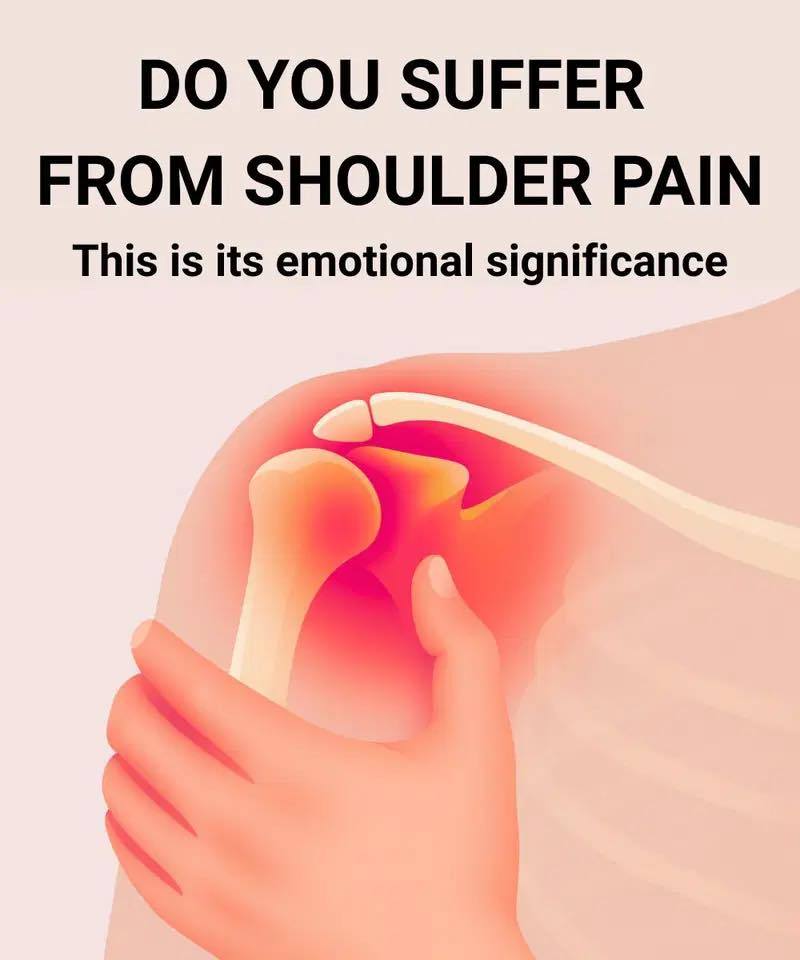
Shoulder pain is often viewed purely as a physical issue—strained muscles, poor posture, or injury. However, many holistic health perspectives suggest that the shoulders can also carry a deeper emotional meaning. In symbolic and mind-body interpretations, the shoulders represent responsibility, burden, and the weight of life’s expectations. When pain develops in this area without a clear physical cause, it may reflect unresolved emotional stress or internal pressure that has built up over time.
Emotionally, shoulder pain is frequently associated with feeling overwhelmed. People who take on too many responsibilities—whether at work, within family life, or in relationships—may quite literally feel like they are “carrying the world on their shoulders.” This constant pressure can manifest physically as tension, stiffness, or chronic discomfort. The body, in this sense, becomes a mirror of the mind, expressing what words or conscious awareness might not fully acknowledge.
Another common emotional link to shoulder pain is suppressed emotions. Individuals who struggle to express feelings such as anger, frustration, or sadness may store that emotional energy in the upper body. The shoulders, being a central point of movement and strength, can become tight and restricted when emotions are held in. Over time, this tension may lead to inflammation, reduced mobility, or persistent aches that don’t easily resolve with physical treatment alone.
There is also a connection between shoulder pain and the need for control. People who feel they must manage everything perfectly or who have difficulty delegating tasks often experience higher levels of stress. This constant mental vigilance can translate into physical tension, especially in the neck and shoulders. The inability to “let go” mentally is mirrored by muscles that refuse to relax, creating a cycle of discomfort and stress.
From a symbolic standpoint, the right shoulder is sometimes associated with external responsibilities—work, social roles, and obligations to others—while the left shoulder is linked to internal pressures, such as emotional burdens, personal expectations, and unresolved past experiences. Pain on either side may hint at where the imbalance lies, though this interpretation is more reflective than diagnostic.
It’s important to approach this topic with balance. While emotional factors can contribute to physical pain, they are not the sole cause. Medical conditions such as muscle strain, rotator cuff injuries, arthritis, or nerve compression are very real and should not be ignored. If shoulder pain is severe, persistent, or accompanied by other symptoms, seeking professional medical advice is essential. Emotional awareness can complement, but not replace, proper medical care.
That said, addressing the emotional side of shoulder pain can be incredibly helpful in relieving tension and promoting overall well-being. Practices such as mindfulness, meditation, and deep breathing exercises can help release stored stress in the body. Journaling is another powerful tool, allowing individuals to explore what they may be “carrying” emotionally. Simply identifying sources of stress or unspoken feelings can begin to ease the physical burden.
Physical movement also plays a key role. Gentle stretching, yoga, and regular exercise can help release tightness in the shoulders while also improving mood and reducing stress hormones. Activities that encourage relaxation—such as warm baths, massages, or spending time in nature—can further support both emotional and physical healing.
Communication is equally important. Many people experience shoulder tension because they take on too much without asking for help. Learning to set boundaries, say no when necessary, and share responsibilities can significantly reduce the emotional load. Talking openly with trusted friends, family members, or a counselor can also help process feelings that might otherwise remain bottled up.
Ultimately, shoulder pain can serve as a signal—a reminder to pause and reflect on what might be weighing heavily in your life. It invites you to ask questions such as: Am I taking on too much? Am I holding onto emotions I haven’t expressed? Do I need to let go of something or ask for support?
By combining physical care with emotional awareness, it becomes possible not only to relieve pain but also to create a healthier, more balanced life. Listening to your body and respecting its signals is a powerful step toward both healing and self-understanding.
