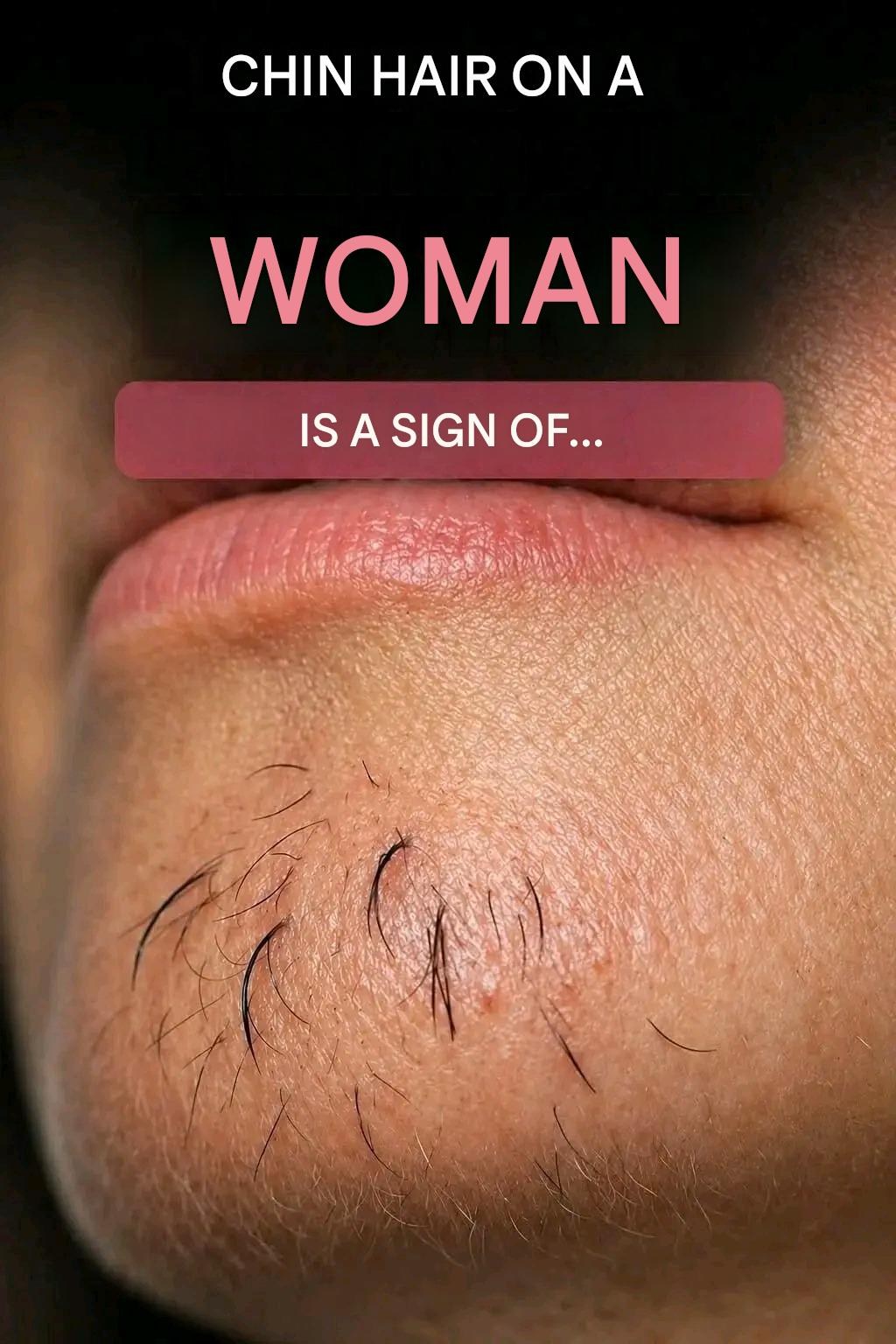
Warning: A Woman’s Chin Hair Can Be a Sign of Hormonal Changes — What You Should Know
Many women notice small facial hairs from time to time, especially around the chin. While a few stray hairs can be completely normal, excess chin hair in women may sometimes be a sign of underlying hormonal changes, lifestyle factors, or certain health conditions. Understanding why this happens can help women make informed decisions about their health and when to seek medical advice.
🚀 Make Money Online – Up to $50 Per Day!
Why Chin Hair Appears in Women
Facial hair growth in women is often linked to hormones, particularly androgens. Androgens are often called “male hormones,” but women naturally produce them too — just in smaller amounts. When androgen levels rise or become imbalanced, they can trigger thicker, darker hair growth on the chin, upper lip, or jawline.
This condition is called hirsutism, which means excessive hair growth in women in areas where men commonly grow hair. It can affect confidence, self-esteem, and may point to an underlying issue that should be checked.
Common Causes of Chin Hair in Women
Here are some of the most common reasons women develop chin hair:
1. Hormonal Imbalance
Hormonal shifts are the leading cause of chin hair. These changes can happen due to age, stress, or health conditions. During puberty, pregnancy, and menopause, many women notice changes in body and facial hair because hormone levels fluctuate.
Polycystic Ovary Syndrome is one of the most common conditions linked to unwanted facial hair. It can cause irregular periods, acne, weight gain, and increased androgen levels.
2. Menopause
As women age, estrogen levels naturally decline. This can make androgen effects more noticeable, leading to chin hair growth. Many women over 40 or 50 experience this as part of natural aging.
3. Genetics
Sometimes chin hair is simply hereditary. If your mother or grandmother had facial hair, there is a good chance genetics play a role. Women from certain ethnic backgrounds may naturally have more visible facial hair.
4. Certain Medications
Some medications may trigger unwanted hair growth as a side effect. Hormone-related treatments, steroids, and some medications for other conditions may contribute.
Is Chin Hair Always a Problem?
Not necessarily. A few chin hairs are usually harmless. Many women occasionally pluck or remove them and never have a medical issue. However, if chin hair appears suddenly, grows quickly, or comes with other symptoms, it may be worth discussing with a doctor.
Watch for signs such as:
- Irregular periods
- Sudden weight gain
- Acne outbreaks
- Hair thinning on the scalp
- Deepening voice
- Increased body hair
These symptoms may suggest hormone imbalance and should be checked by a healthcare professional.
How to Reduce Chin Hair Naturally
Many women search for natural remedies for chin hair. While these may not solve hormone issues, they may help manage appearance.
Spearmint Tea
Some small studies suggest spearmint tea may help reduce androgen levels over time. Drinking it regularly may help some women with mild hormonal facial hair.
Healthy Diet
A balanced diet can support hormone health. Focus on:
- Fresh vegetables
- Lean proteins
- Whole grains
- Reduced processed sugar
Managing insulin levels is especially important for women with PCOS.
Weight Management
Even modest weight loss can improve hormone balance in some women, especially those with insulin resistance.
Hair Removal Options
Women often use different methods to manage chin hair:
- Tweezing
- Waxing
- Threading
- Shaving
- Laser hair removal
- Electrolysis
Laser Hair Removal is popular for long-term reduction, though it may require several sessions.
When to See a Doctor
If you suddenly develop thick chin hair, especially along with other changes in your menstrual cycle or skin, a medical evaluation can help. A doctor may check hormone levels or investigate conditions such as PCOS or thyroid issues.
Hypothyroidism can sometimes affect hair growth patterns, though it is not the most common cause of chin hair.
Emotional Impact
Unwanted facial hair can affect confidence. Many women feel embarrassed, but it is far more common than many realize. Talking to a healthcare provider can provide reassurance and help identify treatment options.
Final Thoughts
A woman’s chin hair is not always a warning sign, but excessive chin hair in women can sometimes indicate hormonal imbalance, especially conditions like PCOS or natural changes during menopause. Paying attention to other symptoms can help determine whether it is simply genetics or something worth checking.
If facial hair growth changes suddenly, becomes excessive, or causes concern, speaking with a doctor is the best next step. Early understanding can make treatment easier and help support long-term health.
