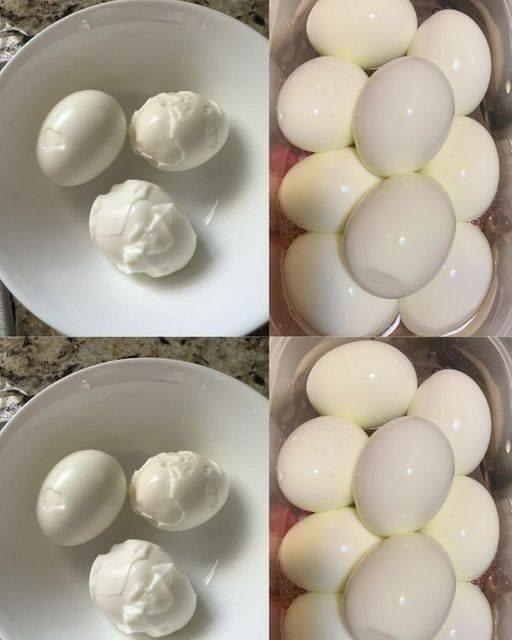
Hard-boiled eggs are one of the simplest and most nutritious foods you can prepare, yet many people struggle with one frustrating problem: peeling them cleanly. Instead of smooth, beautiful eggs, the shell sticks stubbornly, tearing away chunks of the white and leaving behind a rough, uneven surface. The good news is that perfectly peeled hard-boiled eggs are not a matter of luck—they are the result of using the right method. With a few simple techniques and a clear understanding of timing, temperature, and preparation, you can achieve flawless eggs every single time.
Hard-boiled eggs are incredibly versatile. They can be eaten on their own as a high-protein snack, sliced into salads, mashed into sandwiches, or used in countless recipes. Their mild flavor and firm texture make them a staple in kitchens around the world. However, the peeling process can make or break their appearance, especially when presentation matters. Whether you’re preparing deviled eggs, meal prepping for the week, or simply enjoying a healthy breakfast, mastering this technique will make a big difference.
Ingredients
-
6–12 large eggs
-
Water (enough to cover the eggs by about 1 inch)
-
1 teaspoon salt (optional)
-
1 tablespoon vinegar (optional)
-
Ice cubes
-
Cold water
These simple ingredients are all you need. The salt and vinegar are optional, but they can help make peeling easier and prevent egg whites from leaking if a shell cracks during boiling.
Step-by-Step Instructions
Step 1: Choose the Right Eggs
Contrary to what many people believe, slightly older eggs are easier to peel than very fresh ones. Fresh eggs have a lower pH level, which causes the egg white to stick more strongly to the shell membrane. Eggs that have been in the refrigerator for about 5–10 days are ideal for hard boiling and peeling.
Step 2: Arrange Eggs in a Single Layer
Place the eggs in a saucepan in a single layer. Avoid stacking them, as this can lead to uneven cooking or cracking. Add enough water to cover the eggs by about 1 inch. This ensures even heat distribution and proper cooking.
Step 3: Bring Water to a Gentle Boil
Place the saucepan on the stove over medium-high heat. Allow the water to come to a gentle boil. Once the water reaches a rolling boil, let it boil for about 30 seconds.
Step 4: Turn Off Heat and Cover
After 30 seconds of boiling, turn off the heat and cover the saucepan with a lid. Let the eggs sit in the hot water for 10–12 minutes. This gentle cooking method prevents overcooking and helps create tender egg whites and creamy yolks.
-
10 minutes for slightly softer yolks
-
12 minutes for fully firm yolks
Avoid boiling eggs for too long, as overcooking can cause a greenish ring around the yolk and make peeling more difficult.
Step 5: Transfer Eggs to an Ice Bath
This is one of the most important secrets for easy peeling. Immediately transfer the cooked eggs into a bowl filled with ice water. Let them sit for at least 5–10 minutes. The sudden cooling causes the egg to contract slightly inside the shell, separating it from the membrane and making peeling much easier.
Step 6: Gently Crack and Peel
Tap the egg gently on a hard surface to crack the shell. Roll it lightly under your hand to loosen the shell. Start peeling from the wider end, where there is usually a small air pocket. This space makes it easier to get under the membrane and remove the shell smoothly.
If needed, peel the egg under running water. The water helps separate the shell from the egg and washes away small fragments.
Why This Method Works
The key to perfectly peeled eggs lies in the combination of gentle cooking and rapid cooling. Cooking eggs in hot water without prolonged boiling prevents the proteins from bonding too tightly to the shell. The ice bath creates a temperature shock that helps separate the egg from its shell naturally.
Older eggs also peel more easily because their internal structure changes slightly over time. The air pocket inside becomes larger, and the egg white becomes less attached to the shell membrane.
Helpful Tips for Perfect Results
-
Always use an ice bath immediately after cooking.
-
Avoid overcooking, which makes eggs rubbery and harder to peel.
-
Slightly older eggs are easier to peel than very fresh eggs.
-
Peeling under running water can make the process smoother.
-
Start peeling from the wider end of the egg.
Storage and Shelf Life
Hard-boiled eggs can be stored in the refrigerator for up to one week. Keep them in their shells if possible, as the shell helps protect the egg and preserve freshness. If peeled, store them in an airtight container and consume within 3–4 days.
Hard-boiled eggs are perfect for meal prep. You can prepare a batch at the beginning of the week and use them in salads, sandwiches, or as a quick snack.
Nutritional Benefits
Hard-boiled eggs are packed with nutrients. They are an excellent source of high-quality protein, vitamins, and minerals. Eggs contain vitamin B12, vitamin D, selenium, and choline, which supports brain health. They are also relatively low in calories, making them a great choice for healthy eating.
Eating eggs can help keep you full longer, support muscle growth, and provide sustained energy throughout the day.
Common Mistakes to Avoid
One common mistake is overboiling eggs. This not only affects taste and texture but also makes peeling more difficult. Another mistake is skipping the ice bath, which is essential for easy peeling. Using extremely fresh eggs can also make peeling harder, so allowing eggs to age slightly in the refrigerator helps.
Conclusion
Perfectly peeled hard-boiled eggs are easy to achieve when you use the right technique. By choosing slightly older eggs, cooking them gently, and cooling them quickly in an ice bath, you can enjoy smooth, beautiful eggs every time. This simple method removes the frustration from peeling and ensures consistent results.
