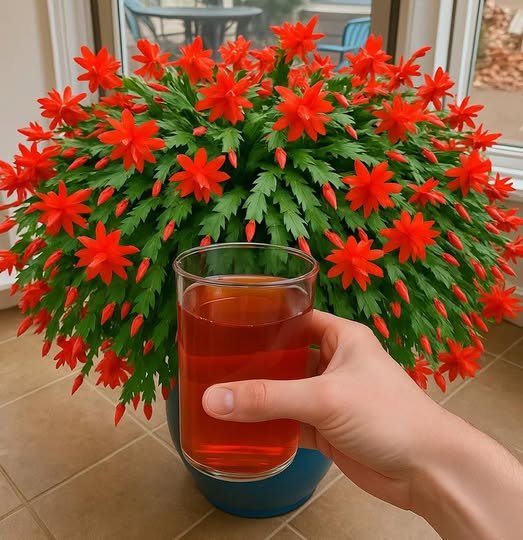
The Christmas cactus (Schlumbergera) is famous for its dazzling winter flowers, yet many plant lovers are disappointed when it blooms once and then refuses to flower again. The good news? With the right care and a few clever tricks, you can encourage your Christmas cactus to bloom not just at Christmas, but multiple times throughout the year. While it may never bloom continuously, it can reward you with repeat flowering cycles if you understand its needs and mimic its natural environment.
Below is a complete, practical guide to keeping your Christmas cactus healthy, stress-free, and ready to bloom again and again.
1. Understand How the Christmas Cactus Thinks
Unlike desert cacti, the Christmas cactus is a tropical plant native to Brazilian rainforests. It grows attached to trees, enjoying filtered light, humidity, and cooler nighttime temperatures. Blooming is triggered by shorter days, cooler nights, and stable conditions. If you want year-round blooms, your goal is to recreate these cues in cycles.
Think of blooming as a reward for balance—not force.
2. Master the Light Balance (Bright but Indirect)
Light is one of the biggest bloom influencers.
-
Place your cactus in bright, indirect light
-
Avoid harsh midday sun, which causes leaf scorching
-
Morning sun or filtered window light is ideal
Too little light leads to lush green growth but no flowers. Too much sun causes stress and leaf damage. A well-lit room near an east- or north-facing window works best.
Trick: After a blooming cycle, slightly increase light exposure for 4–6 weeks to recharge the plant before initiating another bloom cycle.
3. Use Temperature Drops to Trigger Buds
Temperature changes are essential for blooming.
-
Daytime: 65–75°F (18–24°C)
-
Nighttime: 55–65°F (13–18°C)
A consistent drop in nighttime temperature signals the plant to form buds.
Effective trick:
Move the plant to a cooler room or near a slightly open window at night for 2–3 weeks. Even a 10-degree difference can trigger blooming.
4. Control Darkness Like a Pro
Christmas cacti are short-day bloomers, meaning they need extended darkness to set buds.
-
12–14 hours of uninterrupted darkness per night
-
Continue this for 2–4 weeks
Artificial light—even a lamp—can interrupt the process.
Simple method:
Place the cactus in a dark room or cover it with a breathable cloth every evening, then return it to light in the morning.
Once buds appear, stop the darkness routine.
5. Water Correctly (This Is Where Most People Fail)
Improper watering is the most common reason for poor blooming.
-
Water when the top inch of soil feels dry
-
Never allow the plant to sit in water
-
Reduce watering slightly before a bloom cycle
Too much water causes root rot and bud drop. Too little stresses the plant.
Pro tip:
During bud formation, maintain consistent moisture—sudden dryness can cause buds to fall off.
6. Feed Strategically, Not Constantly
Fertilizer supports blooms, but timing matters.
-
Use a balanced houseplant fertilizer (10-10-10 or 20-20-20)
-
Feed every 2–4 weeks during active growth
-
Stop feeding once buds form
To encourage blooms:
-
Switch to a low-nitrogen, higher-phosphorus fertilizer once every 6 weeks
Too much nitrogen promotes leaf growth at the expense of flowers.
7. Repot Only When Necessary
Christmas cacti prefer to be slightly root-bound.
-
Repot every 2–3 years
-
Use a well-draining soil mix (cactus soil + orchid bark or perlite)
Repotting too often focuses the plant on root growth instead of flowering.
Best time to repot:
Immediately after a blooming cycle ends.
8. Don’t Move It Once Buds Appear
This rule is critical.
Once buds form:
-
Do not change location
-
Do not rotate the pot
-
Do not change light or temperature
Even small changes can cause bud drop. Stability equals success.
9. Prune Lightly to Encourage More Blooms
Pruning stimulates branching, and more branches mean more flowers.
-
Prune 1–2 segments per stem
-
Do this right after flowering
-
Never prune during bud formation
Each cut encourages new growth that can bloom in the next cycle.
10. Create Bloom Cycles Throughout the Year
To encourage multiple blooms:
-
Let the plant rest for 6–8 weeks after flowering
-
Resume feeding and bright indirect light
-
Reintroduce cool nights + darkness
-
Maintain stable moisture
Many growers achieve 2–3 bloom cycles per year with this method.
Final Thoughts
Making a Christmas cactus bloom year-round isn’t about forcing it—it’s about understanding its rhythm. By managing light, temperature, darkness, watering, and feeding in gentle cycles, you can turn this once-a-year bloomer into a frequent showstopper.
