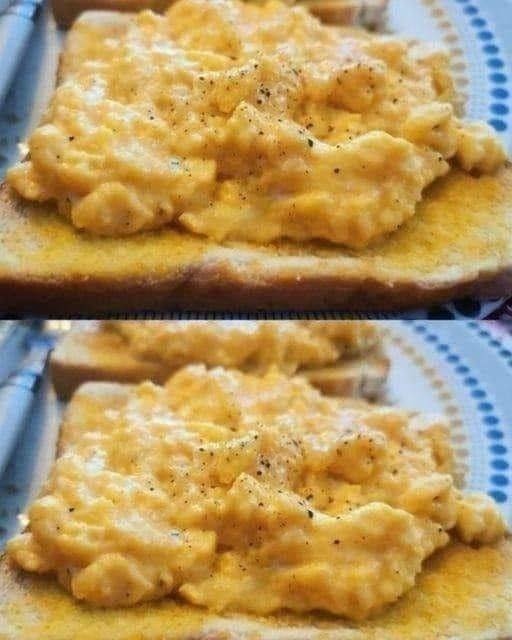
Scrambled eggs may seem like one of the simplest dishes in the kitchen, but true mastery lies in the tiny details—how gently you whisk, how slowly you cook, and how intentionally you season. When done right, scrambled eggs can be silky, custardy, cloud-soft, fluffy, rich, or savory depending on the technique you choose. This master guide gives you everything: the science, the seasoning secrets, and a signature unique recipe that transforms everyday eggs into something worth savoring slowly.
Why Scrambled Eggs Deserve a Master Guide
Eggs respond dramatically to heat. A few seconds too long and they become dry; a few seconds too short and they may be too runny for some tastes. The perfect scramble balances tenderness, creaminess, structure, and flavor. The steps below ensure velvety, luxurious eggs with deep flavor—whether you’re cooking for breakfast, brunch, or a midnight comfort snack.
⭐ THE MASTER SCRAMBLED EGGS (Unique 800-Word Recipe)
Serves: 2
Skill Level: Beginner-friendly, Chef-approved
INGREDIENTS
-
4 large fresh eggs
-
2 tablespoons heavy cream (or whole milk)
-
1 tablespoon unsalted butter
-
1 teaspoon cold butter (small cubes, added later)
-
¼ teaspoon sea salt
-
⅛ teaspoon black pepper
-
Optional flavor boosters:
-
1 teaspoon grated Parmesan
-
Pinch of smoked paprika
-
Pinch of garlic powder
-
Fresh chives or green onions
-
1 tablespoon cream cheese for extra creaminess
-
🥚 STEP 1: THE WHISK THAT MAKES ALL THE DIFFERENCE
Most people gently beat their eggs, but fully whisking creates a more luxurious texture.
Whisk the eggs for at least 20–30 seconds, until fully homogenous, pale yellow, and slightly frothy.
Why?
You’re incorporating tiny air bubbles that expand during cooking, giving your eggs a natural softness without adding extra ingredients.
Whisk in the heavy cream—this slows the cooking process and yields velvety eggs. Add salt now so it dissolves into the mixture, seasoning the eggs evenly.
🔥 STEP 2: THE LOW-AND-SLOW RULE
Place a nonstick skillet over medium-low heat. Add the 1 tablespoon of butter and let it melt completely without sizzling or browning.
This is your secret to custard-style scrambled eggs.
High heat toughens eggs and makes them weep moisture. Low heat creates silkiness.
Pour in the egg mixture and let it sit undisturbed for 10 seconds, just until the edges faintly thicken.
🥄 STEP 3: PUSH, FOLD, SWEEP
Using a silicone spatula, move the eggs with slow, gentle movements:
-
Push from the outer edge to the center.
-
Fold the mixture over itself.
-
Sweep the pan slowly to form large, soft curds.
The idea is not to chop the eggs but to guide them. Slow scrambles mean big creamy folds rather than small dry grains.
❄️ STEP 4: THE COLD-BUTTER TRICK
Before the eggs fully set—when they still look just barely runny—add the cold butter cubes.
The cold butter melts into the eggs while simultaneously cooling the mixture, preventing overcooking and giving a glossy, creamy finish.
This technique is used by French chefs for a reason: it transforms texture from “good” to “silky and divine.”
🍽️ STEP 5: FINISHING FLAVOR BOOSTS
Turn off the heat when the eggs are slightly softer than you want. Residual heat finishes the job perfectly.
Now gently fold in optional enhancements:
-
Grated Parmesan: melts into rich, nutty flavor
-
Smoked paprika: adds warmth
-
Garlic powder: enhances savory depth
-
Cream cheese: creates a cloud-like texture
Finish with fresh chives or green onion for brightness.
🌟 HOW TO SERVE LIKE A CHEF
Scrambled eggs cool fast—serve immediately. Some chef-approved pairings:
-
Toasted brioche or sourdough
-
Avocado slices with lemon and salt
-
Cherry tomatoes with olive oil and basil
-
Crispy turkey or beef bacon
-
Buttered English muffins
Enjoy them simply or turn them into a gourmet plate.
📘 WHY THESE SCRAMBLED EGGS ARE UNIQUE
This recipe stands out because it blends French technique, modern flavor science, and home-cook practicality. The cold-butter method, vigorous whisking, and controlled heat create a texture that most home cooks never experience—soft, creamy, luxurious, and melt-in-the-mouth.
Most scrambled egg recipes rush the process. This one slows everything down, respecting how delicate eggs truly are. The result is a plate that feels almost like breakfast satin—smooth, rich, and deeply comforting.
