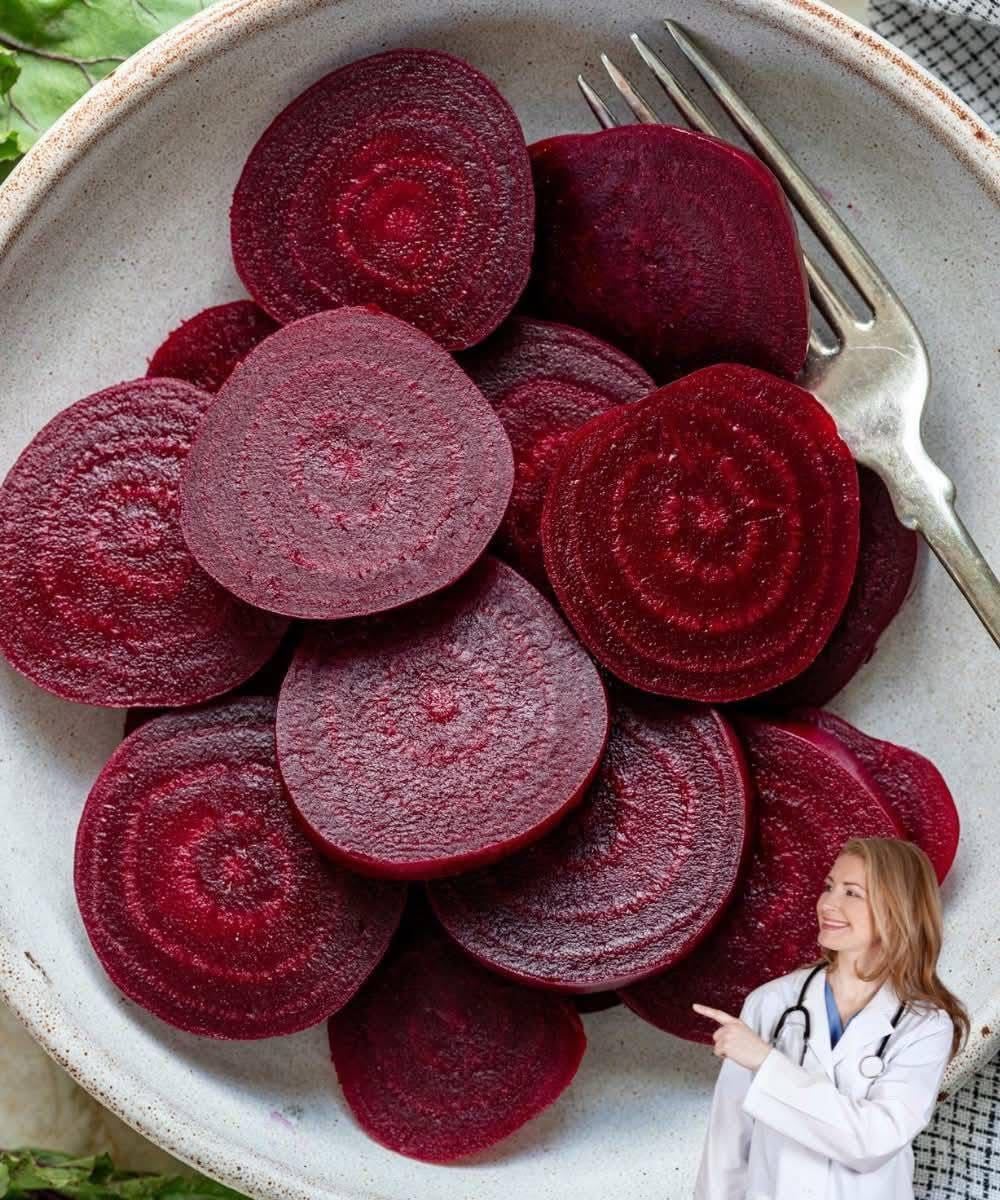
Bright, earthy, and naturally sweet, Beetroot has quietly earned a reputation as one of the most powerful vegetables for overall health. For centuries, cultures around the world have used beets not only as a colorful ingredient in meals but also as a natural remedy to support the body. Today, modern doctors and nutritionists confirm what traditional diets have long suggested: eating beets regularly can provide impressive benefits for your heart, blood circulation, digestion, and energy levels.
Often called a “superfood,” beetroot is packed with vitamins, minerals, antioxidants, and natural compounds that work together to support the body in many ways. Whether you enjoy them roasted, boiled, juiced, or shredded into salads, adding beets to your diet may trigger several positive changes inside your body.
Let’s explore what doctors say really happens when you start eating beetroot regularly.
1. Your Blood Pressure May Improve
One of the most widely studied benefits of beetroot is its ability to support healthy blood pressure. Beets contain natural compounds called nitrates. When you eat them, the body converts these nitrates into nitric oxide, which helps relax and widen blood vessels.
This process improves circulation and allows blood to flow more easily throughout the body. As a result, many people experience lower blood pressure levels after consuming beetroot regularly. Doctors often recommend beetroot juice as part of a heart-healthy diet because it may help reduce strain on the cardiovascular system.
Improved circulation can also help oxygen travel more efficiently to muscles and organs, which contributes to better overall body function.
2. Your Energy Levels May Increase
Athletes and fitness experts often include beetroot in their diets because it can naturally enhance endurance and stamina. The same nitrates that support blood flow also help muscles use oxygen more efficiently.
When your muscles receive oxygen more effectively, they can work longer before feeling fatigued. This is why beetroot juice is commonly consumed before workouts or athletic events.
Even if you’re not an athlete, you might notice improved energy levels during daily activities. Some people report feeling less tired and more physically active after adding beets to their regular meals.
3. Your Brain May Receive Better Blood Flow
Another fascinating benefit of beetroot involves brain health. Improved circulation from dietary nitrates may increase blood flow to certain parts of the brain responsible for thinking, memory, and concentration.
Doctors suggest that foods like beetroot that improve circulation may support cognitive health, especially as people age. Better blood flow helps ensure brain cells receive the oxygen and nutrients they need to function properly.
While beetroot alone is not a cure for memory issues, including it in a balanced diet may contribute to long-term brain health.
4. Your Digestive System May Work More Smoothly
Beetroot is also a great source of dietary fiber, which plays an important role in digestion. Fiber helps move food through the digestive tract and supports regular bowel movements.
Eating fiber-rich vegetables like beetroot may help prevent constipation and keep the digestive system functioning efficiently. Additionally, fiber feeds beneficial gut bacteria that support a healthy microbiome.
A balanced gut environment is linked to many aspects of health, including immunity, nutrient absorption, and even mood.
5. Your Body Gets a Powerful Dose of Antioxidants
Beetroot owes its deep red color to plant pigments known as betalains. These compounds act as antioxidants, helping protect the body from oxidative stress.
Oxidative stress occurs when unstable molecules called free radicals damage cells. Over time, this damage may contribute to aging and various chronic diseases.
By consuming antioxidant-rich foods like beetroot, you provide your body with natural protection against this cellular damage. Doctors often encourage diets rich in colorful vegetables because each pigment provides unique protective compounds.
6. Your Liver May Receive Natural Support
The liver is responsible for filtering toxins and processing nutrients in the body. Some research suggests that compounds found in beetroot may support the liver’s natural detoxification processes.
Betalains and other plant nutrients in beets may help reduce inflammation and oxidative stress in liver cells. While beetroot is not a detox cure, it can contribute to a diet that supports healthy liver function.
Combined with plenty of water, fruits, vegetables, and whole foods, beetroot may help the body maintain its natural cleansing processes.
7. Your Immune System May Become Stronger
Beetroot contains several essential nutrients that support immune health, including vitamin C, iron, and folate. These nutrients help the body produce healthy blood cells and maintain proper immune responses.
Iron is particularly important for transporting oxygen through the bloodstream, while folate supports cell growth and repair. Together, these nutrients contribute to overall vitality and resilience against illness.
Eating a variety of nutrient-rich vegetables—including beetroot—helps ensure your immune system receives the tools it needs to function effectively.
8. Your Skin May Benefit from the Nutrients
Because beetroot supports circulation, detoxification, and antioxidant protection, it may also have indirect benefits for skin health. Good circulation helps deliver oxygen and nutrients to skin cells, while antioxidants protect them from environmental damage.
Some people notice a healthier glow or improved complexion when regularly eating vegetables rich in antioxidants and vitamins.
Although skincare involves many factors such as hydration, sleep, and sun protection, diet remains a key piece of the puzzle.
Simple Ways to Add Beetroot to Your Diet
Incorporating beetroot into meals is easy and delicious. Here are a few simple ideas:
-
Roast sliced beets with olive oil and herbs
-
Add grated beetroot to salads for color and crunch
-
Blend beetroot into smoothies or juices
-
Mix diced beets into grain bowls or vegetable dishes
-
Use roasted beetroot as a topping for sandwiches or wraps
Beets pair well with ingredients like citrus, goat cheese, walnuts, garlic, and leafy greens.
Final Thoughts
The humble Beetroot offers far more than its vibrant color and earthy flavor. According to doctors and nutrition experts, regular consumption of beetroot may support heart health, boost energy, improve circulation, aid digestion, and protect the body with powerful antioxidants.
