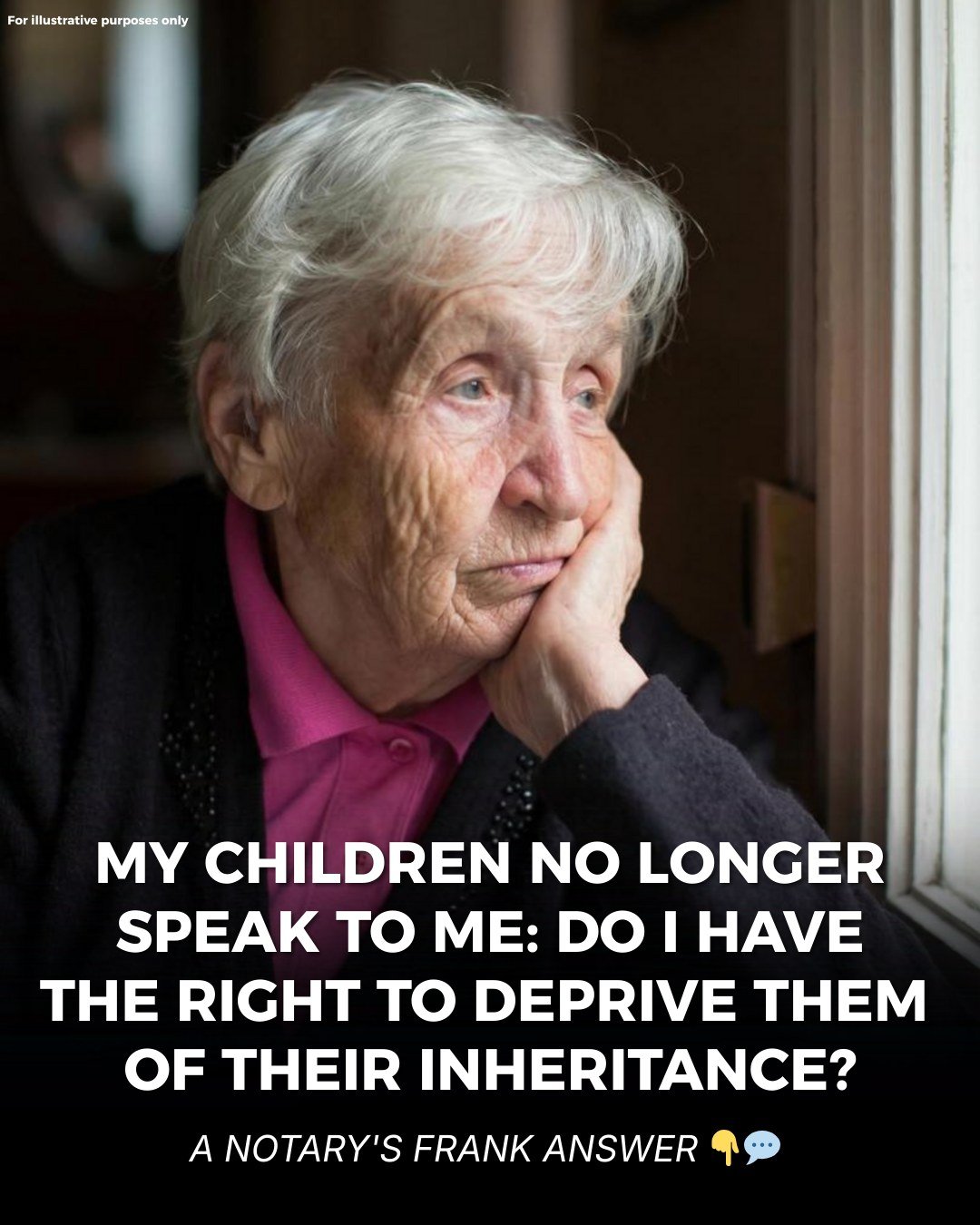
When children stop speaking to a parent, the silence can feel heavier than any argument. It raises painful questions about love, loyalty, and justice. One of the hardest questions a parent may ask in that situation is: Do I have the right to deprive them of their inheritance?
The answer is both legal and emotional. In many places, yes — you often have the legal right to decide how your assets are distributed after your death. But whether you should is a far more complex matter.
Understanding the Legal Right
In countries like the United States and the United Kingdom, individuals generally have “testamentary freedom,” meaning you can choose who inherits your property. However, there are important exceptions.
Some regions require that a portion of your estate go to a spouse. In certain jurisdictions — such as France — children may have a protected share under “forced heirship” laws. In those cases, fully disinheriting a child may not be legally possible.
Because laws vary significantly by country and even by state or province, it’s crucial to consult an estate planning attorney where you live. A properly drafted will can reduce the chances of legal challenges later. If you intend to exclude a child, legal professionals often recommend clearly stating that intention in the will to avoid disputes.
But legality is only one layer of the issue.
The Emotional Side of Disinheritance
When children cut off communication, parents often feel rejected, betrayed, or deeply wounded. Disinheritance may feel like the only remaining form of control — a final statement of pain.
However, financial decisions made in moments of hurt can sometimes create unintended consequences. An inheritance is not only money. It can represent acknowledgment, legacy, and connection — even after death.
Ask yourself:
-
Is this decision about punishment?
-
Is it about fairness?
-
Is it about protecting other family members?
-
Or is it about preserving your peace?
There is no universally correct answer. But clarity about your motivation is essential.
Reasons Some Parents Choose to Disinherit
Some parents choose to remove a child from their will for reasons beyond emotional estrangement:
-
Long-term abuse or harmful behavior
-
Repeated financial exploitation
-
Addiction issues that could endanger a large inheritance
-
Providing more support to a child with greater needs
In cases involving addiction or irresponsibility, alternatives exist. For example, creating a trust allows assets to be managed by a third party and distributed gradually under specific conditions.
The Long-Term Family Impact
Disinheriting one child can deeply affect sibling relationships. It can create resentment, guilt, or suspicion among surviving family members. Even after you are gone, the decision may fuel long-term division.
Some adult children who initially cut off contact later reconnect. Estrangement is sometimes temporary, especially when it stems from misunderstandings, life stress, or generational differences.
Before making permanent financial decisions, consider whether reconciliation is truly impossible — or simply unlikely right now.
Alternatives to Complete Disinheritance
If you are unsure about a full disinheritance, there are middle paths:
-
Leave a smaller but symbolic amount.
-
Establish a conditional trust.
-
Provide a letter explaining your decision.
-
Divide sentimental items separately from financial assets.
An ethical will — a written letter expressing values, memories, and hopes — can also help explain your intentions and reduce future conflict.
The Moral Question
Beyond legality lies the moral dimension. Some parents feel that inheritance is earned through respect and relationship. Others believe it is a final act of unconditional love, regardless of circumstances.
There is also the question of fairness. If one child has been supportive and present while another has been absent, equal distribution may feel unjust. On the other hand, withholding inheritance can sometimes be viewed as a final act of rejection.
You must decide which choice aligns most closely with your principles and the legacy you want to leave behind.
Practical Steps to Consider
-
Pause before acting. Decisions made during emotional distress may not reflect your long-term wishes.
-
Consult a lawyer. Ensure your will complies with local laws.
-
Communicate if possible. If safe and appropriate, attempt a conversation before making irreversible changes.
-
Review your plan periodically. Estranged relationships sometimes evolve.
A Question of Peace
Ultimately, the right decision is the one that brings you lasting peace — not temporary satisfaction.
Ask yourself: When I look back at this choice years from now, will I feel at peace with it?
Inheritance is about more than property. It is about what you leave behind emotionally, morally, and relationally. Whether you choose to include your children or not, the most important thing is that the decision reflects thoughtful consideration rather than unresolved pain.
Family estrangement is one of life’s deepest wounds. If reconciliation is possible, even in small ways, it may offer more healing than any financial decision ever could. But if you have done everything you can and must protect your well-being, you have the right to set boundaries — including financial ones.
In the end, your estate plan should reflect both wisdom and integrity. Money can divide or protect. It can express love or boundaries. The choice is deeply personal — and it deserves careful, compassionate thought
