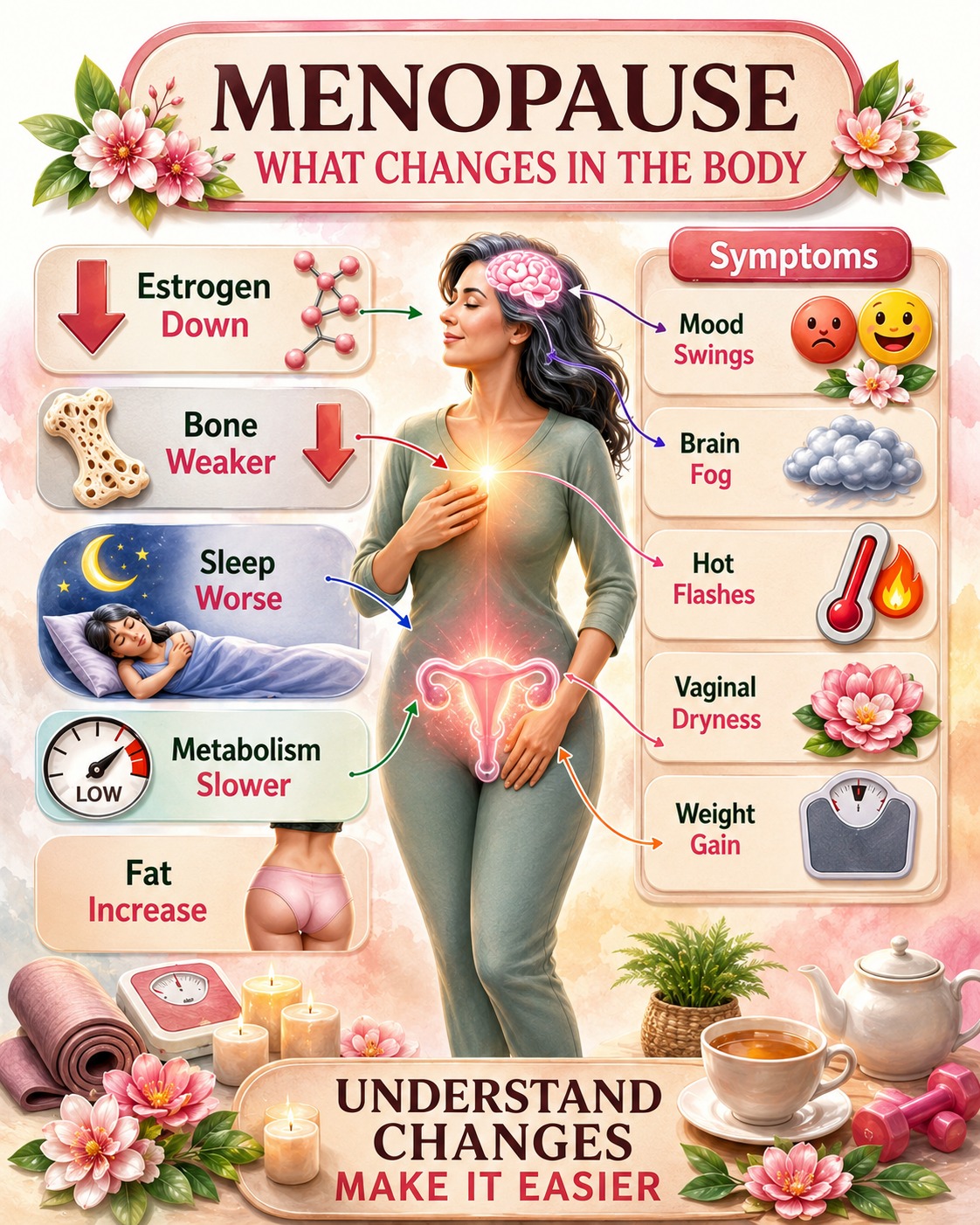
Menopause is often talked about as a difficult phase in a woman’s life, but the truth is that it is much more than just a challenge. Menopause is a natural biological transition that marks the end of monthly periods and reproductive years. While it can bring physical and emotional changes, it also opens the door to a new stage of life filled with wisdom, confidence, and self-awareness. For many women, menopause is not an ending — it is a beginning.
🚀 Make Money Online – Up to $50 Per Day!
Menopause usually happens between the ages of 45 and 55, though the timing can vary. It occurs when the ovaries gradually stop producing hormones such as estrogen and progesterone. This hormonal shift can lead to symptoms like hot flashes, night sweats, mood changes, fatigue, and trouble sleeping. These changes may feel overwhelming at first, but they are a normal part of aging and can be managed with proper care and support.
One of the most common symptoms women experience during menopause is hot flashes. A sudden feeling of heat, sweating, and discomfort can happen at any time, often during the night. This can disturb sleep and affect daily activities. However, simple lifestyle changes can help reduce these symptoms. Wearing light clothing, staying hydrated, and avoiding spicy foods or caffeine can make a difference. Regular exercise and stress management are also helpful for balancing the body during this transition.
Mood changes are another important part of menopause. Some women may feel more anxious, irritable, or emotional than usual. This happens because hormones affect the brain and emotional balance. Lack of sleep can also increase stress. Talking to family members, friends, or a healthcare professional can provide comfort and understanding. Emotional support is important during this stage because women should never feel alone in their journey.
Menopause can also affect physical health. Bone density may decrease, increasing the risk of fractures. Heart health can change as estrogen levels decline. Because of this, healthy habits become even more important. Eating calcium-rich foods like milk, yogurt, and leafy greens can support strong bones. Walking, stretching, and light strength exercises can help maintain bone and muscle health. A balanced diet full of fruits, vegetables, and protein supports the body and helps maintain energy.
Another change many women notice is weight gain. During menopause, metabolism can slow down, making it easier to gain weight, especially around the abdomen. This is common and does not mean something is wrong. Staying active and making mindful food choices can help. It is not about extreme dieting but about creating healthy routines that support overall wellness.
Menopause can also bring changes to skin and hair. Some women notice dry skin, thinning hair, or changes in appearance. These changes can affect confidence, but they are part of the body’s natural evolution. Drinking enough water, using gentle skincare, and nourishing the body with healthy foods can help. More importantly, self-acceptance plays a powerful role. Beauty is not limited to youth — it grows with confidence and experience.
For many women, menopause becomes a time of reflection and personal growth. It often comes during a stage of life when children are older, careers are more established, and personal priorities shift. This can create space to focus on self-care, hobbies, travel, learning, or new goals. Many women discover greater freedom during this time because they no longer feel tied to the demands of earlier life stages.
Social support matters greatly during menopause. Open conversations can reduce fear and confusion. When women share their experiences, they realize many others are going through the same thing. Support groups, community conversations, and family understanding can make a huge difference. Menopause should not be seen as something to hide. It is a normal and important part of life.
Medical guidance can also help. Some women choose hormone therapy, while others prefer natural approaches. Every body is different, and there is no single solution. Speaking with a doctor can help women understand what is best for their unique needs. Regular health checkups become especially important during this stage to monitor bone health, heart health, and general well-being.
The emotional meaning of menopause is often overlooked. Society sometimes focuses only on symptoms, but many women describe menopause as a time of empowerment. It is a period when priorities become clearer. Women often become more comfortable saying no, setting boundaries, and caring for themselves. The confidence that comes from life experience can be one of the greatest gifts of this stage.
Menopause is not just about discomfort or change. It is a reminder that the body is constantly evolving. It is a natural part of the human journey, just like puberty or adulthood. While the symptoms can be real and challenging, they do not define the experience. With knowledge, support, and healthy habits, women can navigate menopause with strength and dignity.
In the end, menopause is not just a challenge — it is a powerful transition. It marks a stage of maturity, resilience, and renewed focus on personal well-being. Women have the opportunity to embrace this phase, not fear it. It is a time to honor the body, care for the mind, and step confidently into the years ahead.
