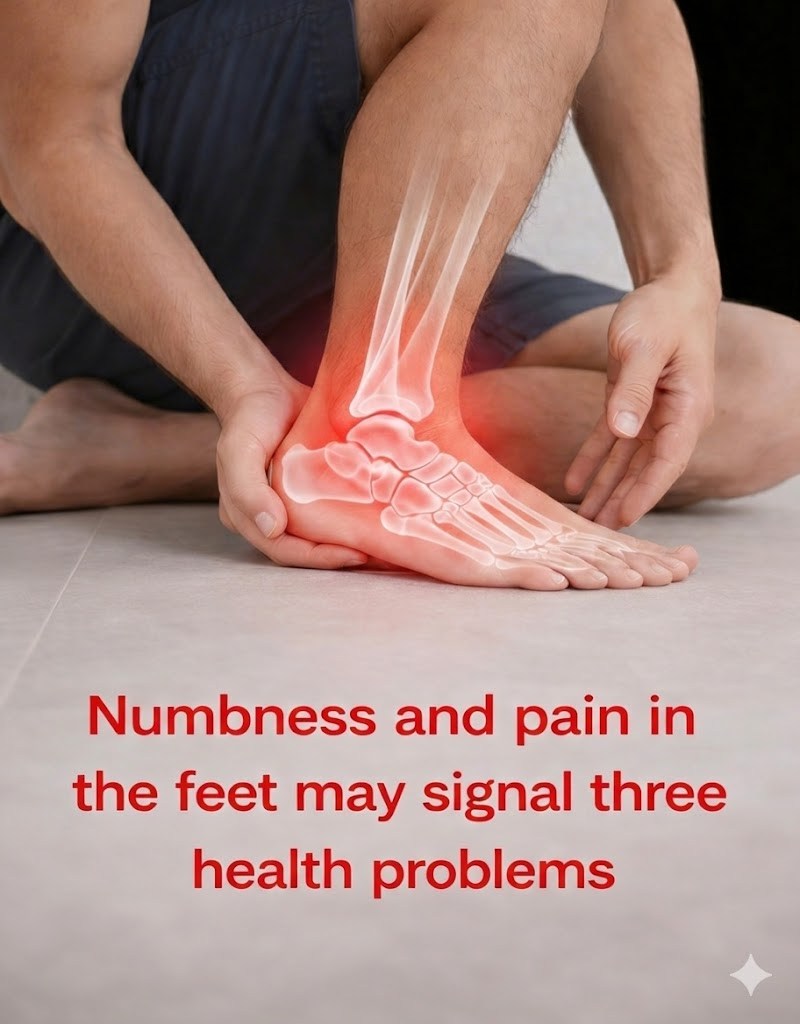
Living with persistent numbness and foot pain can feel like a constant reminder that something isn’t right in your body. While occasional tingling or soreness is common after long periods of standing or walking, chronic or worsening symptoms may signal underlying health problems that need immediate attention. Ignoring these signs could lead to more serious complications, including nerve damage, circulation issues, or even loss of mobility. Here are three major health issues you should never ignore if you are experiencing ongoing numbness or discomfort in your feet.
1. Peripheral Neuropathy: When Nerves Send the Wrong Signals
Peripheral neuropathy occurs when the peripheral nerves—the network that connects the brain and spinal cord to the rest of the body—are damaged. This condition often causes numbness, tingling, burning sensations, or sharp pains in the feet and hands. People often describe it as walking on pins and needles or having a “falling asleep” feeling that never fully goes away.
Causes:
Peripheral neuropathy can result from a variety of causes, including chronic conditions such as diabetes, vitamin deficiencies (especially B12), excessive alcohol consumption, infections, autoimmune disorders, and certain medications like chemotherapy drugs. Among these, diabetic neuropathy is one of the most common, affecting up to 50% of people with long-term diabetes.
Signs to Watch For:
-
Persistent tingling or burning sensations in the feet
-
Loss of sensation, leading to frequent stubbing of toes or unnoticed injuries
-
Weakness or loss of coordination in the legs
-
Pain that worsens at night
Why Early Detection Matters:
Untreated peripheral neuropathy can lead to serious complications, including ulcers, infections, and in severe cases, amputation. Early diagnosis allows doctors to manage underlying causes, slow nerve damage, and relieve symptoms through medication, physical therapy, and lifestyle changes.
2. Circulatory Problems: Poor Blood Flow and Its Hidden Dangers
Foot pain and numbness can also be a sign of circulatory issues. Poor circulation reduces oxygen and nutrient delivery to your extremities, which can cause numbness, cold feet, swelling, and cramping. Peripheral artery disease (PAD) is a major circulatory condition that often goes undiagnosed until symptoms become severe.
Causes:
-
Atherosclerosis, or the buildup of plaque in the arteries
-
High blood pressure or high cholesterol
-
Smoking, which damages blood vessels
-
Diabetes and obesity, which increase risk factors for vascular disease
Signs to Watch For:
-
Cold or pale feet
-
Pain or cramping in the calves when walking or exercising, which eases with rest
-
Slow-healing sores or ulcers on the feet
-
Swelling or a bluish tint in toes or feet
Why Early Detection Matters:
If circulation problems are ignored, they can progress to critical limb ischemia, a severe blockage that may require surgery or even lead to amputation. Early intervention through lifestyle changes, medication, or minimally invasive procedures can restore blood flow and prevent long-term complications.
3. Nerve Compression and Spinal Issues: When Pain Travels from the Back to Your Feet
Sometimes, foot numbness isn’t caused by local issues in the foot itself but originates from the spine or nerves in the lower back. Conditions like lumbar spinal stenosis, herniated discs, or sciatica can compress nerves that travel down to the feet, leading to numbness, tingling, or sharp shooting pains.
Causes:
-
Age-related degeneration of spinal discs
-
Injury or trauma to the back
-
Prolonged poor posture or heavy lifting
Signs to Watch For:
-
Pain radiating from the lower back down to the legs and feet
-
Weakness or loss of reflexes in the legs
-
Numbness that worsens with prolonged standing or sitting
-
Difficulty walking or maintaining balance
Why Early Detection Matters:
Nerve compression can worsen over time, potentially causing permanent nerve damage if not addressed promptly. Treatment options vary from physical therapy and lifestyle modifications to surgical intervention in severe cases. Early diagnosis improves recovery outcomes and reduces chronic pain.
Taking Action: Don’t Ignore Persistent Symptoms
If you experience ongoing numbness or foot pain, it’s essential not to dismiss it as just “getting older” or “standing too much.” A timely medical evaluation can uncover underlying conditions before they progress. Here are practical steps you can take:
-
Consult a Specialist: Start with a primary care physician, who may refer you to a neurologist, podiatrist, or vascular specialist.
-
Track Your Symptoms: Note when the numbness or pain occurs, its severity, and any associated symptoms like swelling, color changes, or weakness.
-
Prioritize Lifestyle Changes: Maintain a balanced diet, manage blood sugar, exercise regularly, avoid smoking, and protect your feet from injury.
-
Consider Supportive Therapies: Physical therapy, orthotic inserts, and proper footwear can relieve pressure and improve circulation.
When to Seek Urgent Care
Some signs indicate a potentially serious condition requiring immediate medical attention:
-
Sudden severe pain or numbness in one or both feet
-
Loss of movement in toes or legs
-
Non-healing sores or signs of infection
-
Cold, pale, or blue extremities
Persistent foot numbness and pain are more than just discomfort—they can be warning signals of serious underlying health issues. Peripheral neuropathy, circulatory problems, and nerve compression are among the most common causes, each carrying its own risks if ignored. By paying attention to your symptoms, seeking timely medical advice, and making healthy lifestyle choices, you can protect your mobility, reduce pain, and prevent long-term complications.
