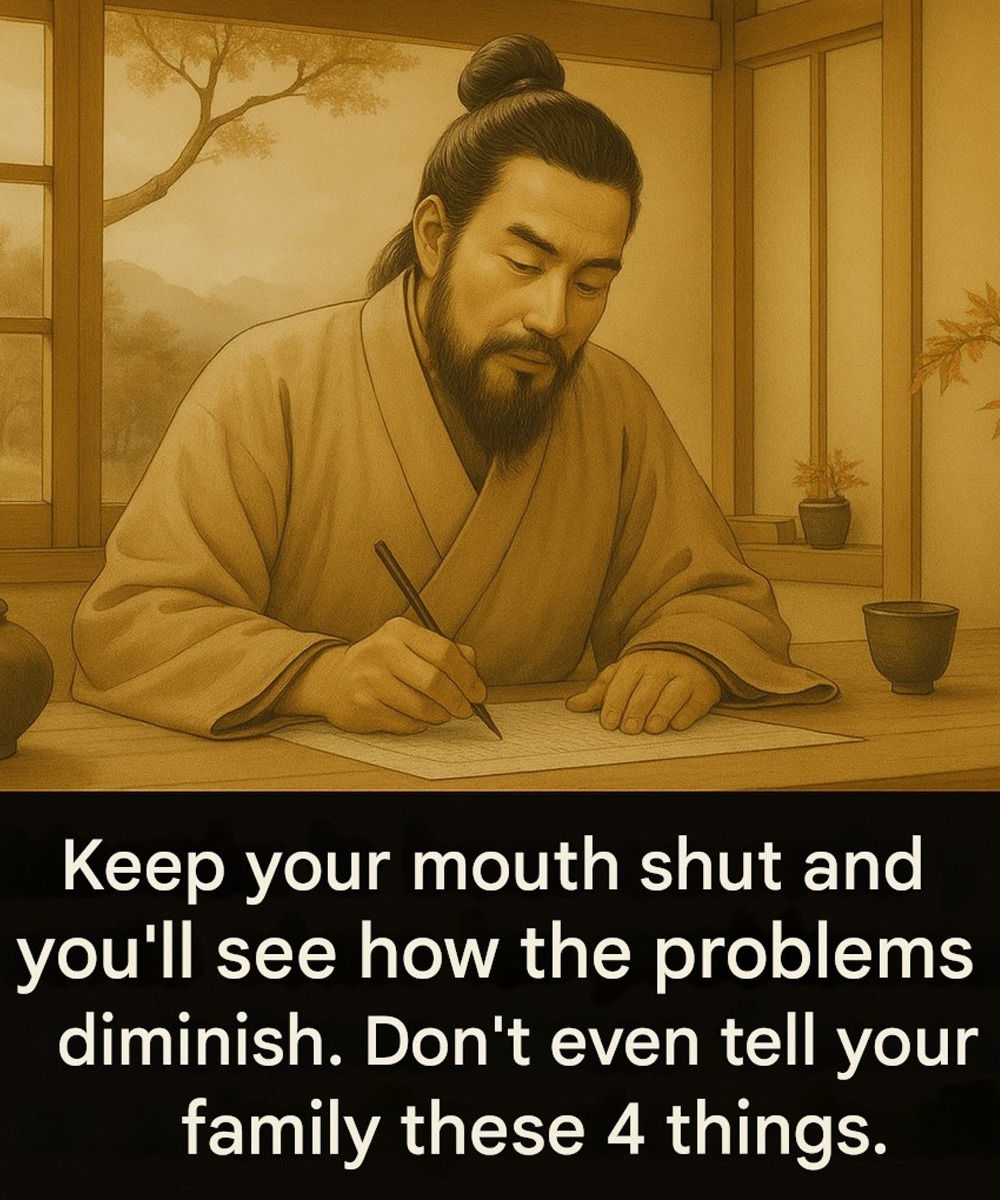
In today’s hyper-connected world, oversharing has become the norm. Social media encourages us to broadcast our wins, struggles, and private moments. Even within families, we’re often told that complete openness equals trust. But wisdom teaches a different lesson: not everything needs to be shared.
If you’re truly smart — emotionally, financially, and mentally — there are certain things you should keep to yourself. Privacy isn’t secrecy. It’s protection. Here are four important things you should never share with anyone, not even family.
1. Your Long-Term Financial Details
Money can quietly change relationships. While it’s healthy to discuss general financial planning with a spouse or financial advisor, sharing detailed information about your savings, investments, inheritance, or business profits with extended family can create unnecessary tension.
When people know exactly how much you have, expectations often follow. You may become the “go-to” person for loans, bailouts, or constant financial help. Even if you’re generous, repeated pressure can lead to stress and resentment.
Jealousy can also appear where you least expect it. Family members may compare lifestyles or question your spending decisions. Protecting your financial privacy allows you to make decisions freely, without external influence or guilt.
Smart move: Share only what’s necessary. Keep exact figures, investment strategies, and future financial plans confidential unless legally required or professionally advised.
2. Your Biggest Goals Before They Happen
It feels exciting to share dreams — a new business idea, a career change, a relocation plan, or a major investment. However, announcing your goals too early can drain motivation.
Psychologists suggest that when we talk about our goals, our brain sometimes feels as though we’ve already achieved them. The praise or validation we receive can reduce the drive to actually complete the work.
There’s also another factor: doubt. Even well-meaning family members may project their fears onto you. Comments like “Are you sure?” or “That sounds risky” can slowly chip away at your confidence.
Not everyone needs access to your vision. Some dreams grow better in silence.
Smart move: Work quietly. Let your results speak. Share progress only with people directly involved or those who genuinely support your growth.
3. Private Relationship Conflicts
It’s natural to vent during disagreements with a spouse or partner. But sharing every argument or flaw with family can permanently shape their perception of your relationship.
You may forgive your partner the next day — but your family might not. They remember the harsh words, the mistakes, and the emotional details long after you’ve moved on.
This can create long-term tension between your partner and relatives. What was once a small, temporary conflict becomes a permanent judgment in someone else’s mind.
Of course, serious issues like abuse or dangerous behavior should never be hidden. Seeking help is critical in those situations. But everyday disagreements, misunderstandings, and minor conflicts are often best handled privately.
Smart move: Protect your relationship’s dignity. Solve minor issues within the partnership or seek neutral professional guidance instead of broadcasting problems to family.
4. Your Deepest Insecurities and Weak Points
Vulnerability is powerful — but only with the right people. Not everyone deserves access to your fears, insecurities, and emotional wounds.
Even loving family members may unintentionally use your weaknesses in future arguments. Sometimes, what you share in trust becomes a reference point later: “You always struggle with this,” or “That’s just your insecurity talking.”
Over time, this can chip away at your confidence.
Protecting your emotional boundaries doesn’t mean you suppress your feelings. It means you choose carefully who gets to see your most fragile parts.
Smart move: Share deep vulnerabilities with a trusted confidant, therapist, or someone who consistently shows emotional maturity and respect.
Why Privacy Is Power
Keeping certain things private doesn’t make you distant or secretive. It makes you wise. Not every thought, plan, or feeling needs an audience.
In fact, some of the most successful and peaceful individuals understand the value of silence. They move strategically, protect their energy, and speak intentionally.
Here’s the truth: oversharing often leads to overexposure. And overexposure can lead to vulnerability in the wrong hands.
Healthy boundaries create healthier relationships. When you stop revealing everything, people learn to respect your space. You maintain control over your narrative instead of handing it to others.
Final Thoughts
Being smart isn’t just about intelligence — it’s about discretion. The world doesn’t need access to every detail of your life.
Protect:
-
Your financial specifics
-
Your future plans
-
Your relationship conflicts
-
Your deepest insecurities
Privacy is not isolation. It’s self-respect.
The less you explain, the more peace you keep.
And sometimes, the strongest move you can make is simply staying silent.
