Numbness in the hands is a common sensation many people experience at some point in their lives. It may feel like tingling, “pins and needles,” or a complete loss of sensation. While occasional numbness—like when your hand “falls asleep”—is usually harmless, frequent or persistent numbness can signal an underlying issue that deserves attention. Understanding the possible causes can help you take the right steps toward relief and prevention.
🚀 Make Money Online – Up to $50 Per Day!
What Causes Hand Numbness?
Hand numbness often occurs when there is pressure on a nerve or reduced blood flow to the area. The hands are filled with delicate nerves and blood vessels, so even minor disruptions can lead to noticeable symptoms. Sometimes the cause is simple and temporary, but other times it may indicate a more serious condition.
1. Poor Circulation
One of the most common reasons for numb hands is reduced blood flow. Sitting or sleeping in an awkward position can compress blood vessels, limiting circulation to your hands. This leads to that familiar tingling sensation.
If your hands frequently feel cold, pale, or numb, it could point to ongoing circulation problems. Conditions like low blood pressure or vascular issues may contribute to this. Improving posture, staying active, and keeping your hands warm can often help.
2. Nerve Compression
Nerve compression is another leading cause of hand numbness. This can happen in different areas of the body, not just the hands.
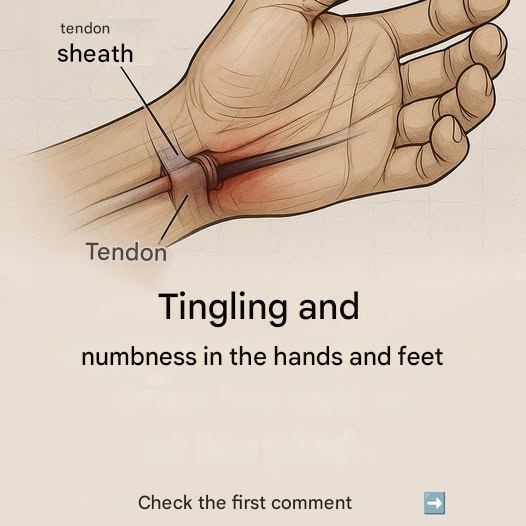
A well-known example is carpal tunnel syndrome, where the median nerve becomes compressed as it passes through the wrist. This condition often causes numbness, tingling, and weakness in the thumb, index, and middle fingers. It is especially common among people who use computers or perform repetitive hand movements.
Similarly, a pinched nerve in the neck or shoulder can also lead to numbness that travels down the arm into the hand. Poor posture, especially when sitting for long hours, can worsen this problem.
3. Vitamin Deficiencies
Your nerves rely on certain nutrients to function properly, especially vitamin B12. A deficiency in this vitamin can lead to nerve damage, resulting in numbness or tingling in the hands and feet.
Other vitamin deficiencies, such as low levels of vitamin B6 or vitamin E, may also contribute. If your diet lacks essential nutrients or you have absorption issues, this could be an underlying cause.
Eating a balanced diet rich in whole foods—like eggs, dairy, leafy greens, and lean meats—can support nerve health.
4. Diabetes
Frequent hand numbness can be an early warning sign of diabetes. High blood sugar levels over time can damage nerves, a condition known as diabetic neuropathy.
This type of nerve damage often begins in the extremities, including the hands and feet. Symptoms may include tingling, burning sensations, or loss of feeling.
Managing blood sugar levels through diet, exercise, and proper medical care is crucial to preventing or slowing nerve damage.
5. Repetitive Strain Injuries
If your daily routine involves repeated hand movements—like typing, texting, or using tools—you may develop repetitive strain injuries. These injuries can irritate nerves and muscles, leading to numbness and discomfort.
Taking regular breaks, stretching your hands and wrists, and using ergonomic tools can reduce the risk.
6. Anxiety and Stress
Surprisingly, anxiety can also cause numbness in the hands. During periods of stress, your body goes into “fight or flight” mode, which can alter breathing patterns and reduce oxygen flow to certain areas.
This may lead to tingling or numb sensations, especially in the hands and fingers. Learning stress management techniques like deep breathing, meditation, or light exercise can help ease these symptoms.
7. More Serious Conditions
In some cases, hand numbness may signal a more serious health issue. Conditions such as multiple sclerosis, stroke, or autoimmune disorders can affect nerve function.
If numbness comes on suddenly, especially on one side of the body, or is accompanied by symptoms like confusion, weakness, or difficulty speaking, it may indicate a medical emergency and should be addressed immediately.
When Should You Be Concerned?
Occasional numbness that goes away quickly is usually not a cause for concern. However, you should seek medical advice if:
- The numbness happens frequently or worsens over time
- It lasts for long periods
- It is accompanied by pain, weakness, or coordination problems
- It affects your daily activities
- It appears suddenly without an obvious cause
Simple Remedies and Prevention Tips
You can often reduce or prevent hand numbness with a few lifestyle changes:
- Improve posture: Keep your spine aligned, especially when sitting or using devices
- Take breaks: Rest your hands during repetitive tasks
- Stretch regularly: Gentle hand and wrist stretches can improve circulation
- Stay hydrated: Proper hydration supports nerve and muscle function
- Eat a balanced diet: Ensure adequate intake of essential vitamins
- Exercise regularly: Physical activity boosts circulation and overall health
Final Thoughts
Numbness in the hands is your body’s way of signaling that something isn’t quite right. While it is often caused by temporary factors like pressure or poor circulation, it can sometimes indicate underlying health issues that require attention.
