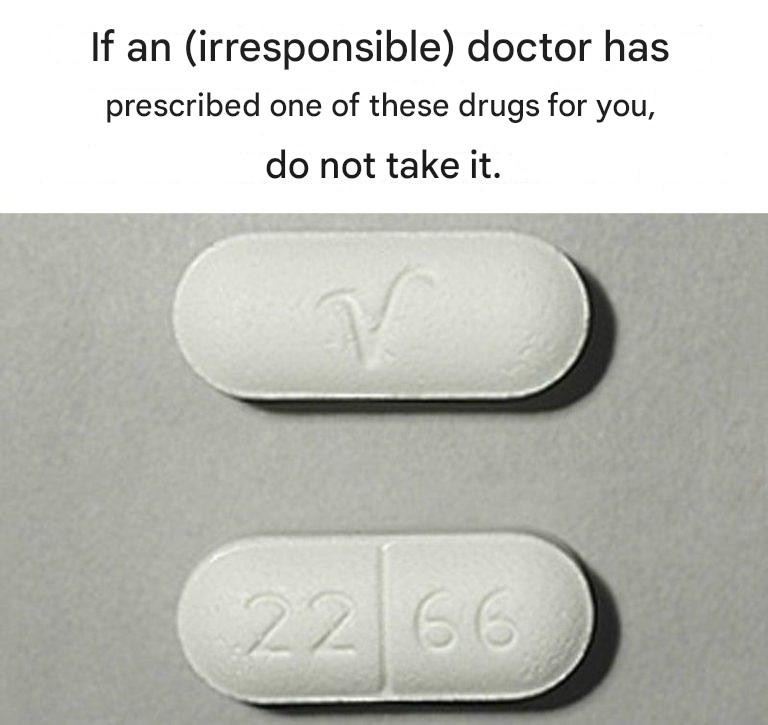
Medications save lives, ease suffering, and help millions of people manage chronic conditions every day. However, even commonly prescribed drugs can carry risks that many patients are never fully told about—or forget to ask about—once they leave the doctor’s office. This article is not meant to scare you or encourage you to stop taking prescribed medication. Instead, it’s designed to help you become a more informed, empowered patient who understands why awareness, monitoring, and communication with your doctor matter more than blind trust alone.
Below are categories of widely prescribed medications that deserve closer attention, along with what you should know if you’ve ever been given one.
1. Painkillers (Especially Opioids)
Prescription pain medications such as opioids are often given after surgery, injury, or for chronic pain conditions. While they can be effective, they also carry serious risks.
What to know:
-
They can cause dependency even when taken exactly as prescribed.
-
Long-term use may worsen pain sensitivity rather than reduce it.
-
Side effects include constipation, hormonal imbalance, mood changes, and slowed breathing.
What you should do:
Ask your doctor how long you truly need them, whether non-opioid alternatives exist, and how to taper safely if stopping.
2. Anti-Anxiety Medications and Sleeping Pills
Medications often prescribed for anxiety or insomnia can be helpful in the short term, but they are not always intended for long-term use.
What to know:
-
Some can lead to tolerance, meaning you need higher doses for the same effect.
-
Sudden discontinuation may cause withdrawal symptoms such as anxiety, insomnia, or tremors.
-
Long-term use has been linked to memory and concentration problems in some people.
What you should do:
Discuss duration of use upfront and explore behavioral or lifestyle strategies alongside medication.
3. Antidepressants
Antidepressants help millions manage depression, anxiety, and other mood disorders. However, they affect brain chemistry and should be taken with informed care.
What to know:
-
They may take weeks to show benefits.
-
Side effects can include weight changes, emotional numbness, sleep disturbances, and sexual dysfunction.
-
Stopping suddenly can cause withdrawal-like symptoms in some individuals.
What you should do:
Never stop abruptly. If you feel “off” or unchanged after several weeks, tell your doctor—adjustments are common and normal.
4. Blood Pressure Medications
High blood pressure drugs are often prescribed for long-term or lifelong use, sometimes without symptoms being present.
What to know:
-
Dizziness, fatigue, or electrolyte imbalances can occur.
-
Some medications may affect kidney function or heart rate.
-
Lifestyle changes can sometimes reduce the need for higher doses.
What you should do:
Regular monitoring is essential. Ask if diet, exercise, stress reduction, or weight loss could reduce your dosage over time.
5. Cholesterol-Lowering Drugs
These medications are frequently prescribed as preventive measures, even when no symptoms are present.
What to know:
-
Muscle pain, weakness, or fatigue may occur in some users.
-
Liver function may need periodic monitoring.
-
Benefits vary depending on individual risk factors.
What you should do:
Ask about your personal risk profile and whether lifestyle changes could complement or reduce medication needs.
6. Acid Reflux and Stomach Medications
Drugs for heartburn and acid reflux are often taken daily for months or years.
What to know:
-
Long-term use may affect nutrient absorption.
-
Some people experience rebound acid symptoms when stopping suddenly.
-
They can mask symptoms of underlying issues.
What you should do:
Review the necessity of continued use and ask about step-down strategies if symptoms improve.
7. Antibiotics
Antibiotics are essential—but only when truly needed.
What to know:
-
Overuse contributes to antibiotic resistance.
-
They can disrupt gut bacteria, affecting digestion and immunity.
-
Side effects may include diarrhea or yeast infections.
What you should do:
Always complete the prescribed course, but don’t request antibiotics for viral infections like colds or flu.
Why This Matters More Than Ever
Modern medicine is powerful, but no medication is completely risk-free. Many problems arise not from the drug itself, but from lack of follow-up, long-term use without review, or poor communication between patient and provider. You have the right to understand why a medication was prescribed, how long you should take it, and what warning signs to watch for.
The Most Important Rule: Never Stop Suddenly on Your Own
One of the biggest dangers comes from stopping medication abruptly without medical guidance. This can cause rebound symptoms, withdrawal effects, or serious health complications. Always talk to your doctor or pharmacist before making changes.
Final Thoughts
Being prescribed a medication doesn’t mean something is “wrong” with you—it means your doctor is trying to help. But true healthcare works best when you are an active participant. Ask questions. Read labels. Report side effects. Schedule reviews.
