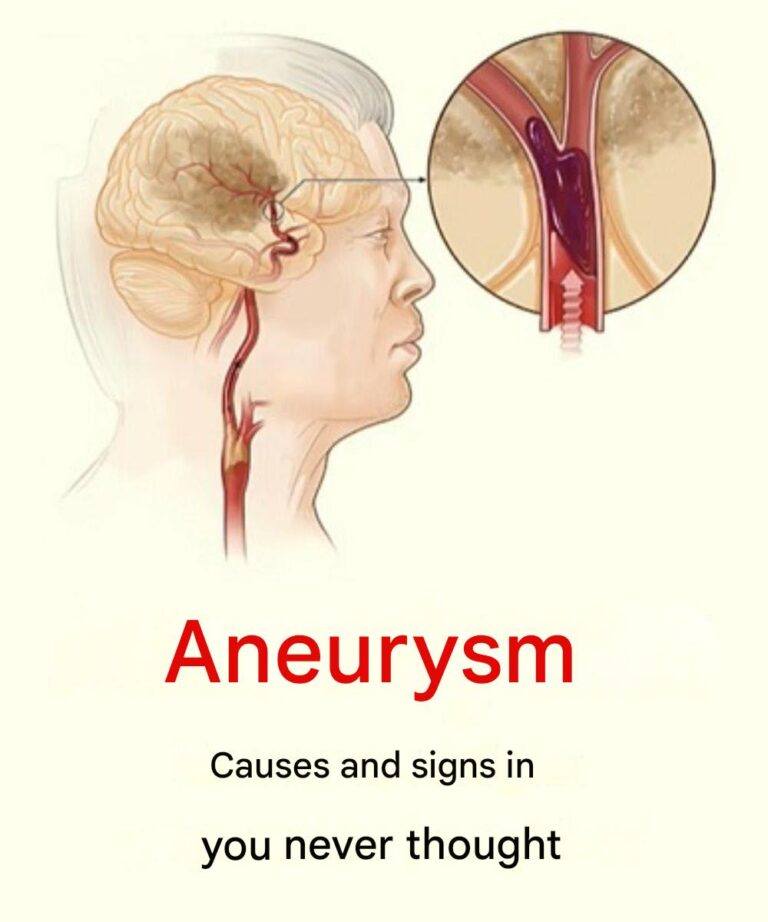
A Stroke is a serious medical emergency that occurs when blood flow to the brain is interrupted or reduced, preventing brain tissue from getting oxygen and nutrients. Within minutes, brain cells begin to die. Recognizing the early warning signs can save a life—and significantly reduce the risk of long-term disability.
🚀 Make Money Online – Up to $50 Per Day!
This guide will help you understand the early symptoms, risk factors, and what actions to take immediately if you suspect a stroke.
What Is a Stroke?
There are two main types of stroke:
- Ischemic stroke – caused by a blockage in an artery supplying blood to the brain (most common)
- Hemorrhagic stroke – caused by bleeding in or around the brain
There is also a Transient Ischemic Attack (TIA), often called a “mini-stroke,” which produces temporary symptoms but is a major warning sign of a future stroke.
The FAST Method: A Lifesaving Tool
One of the easiest and most effective ways to recognize a stroke is by using the FAST acronym:
- F – Face Drooping: One side of the face may droop or feel numb. Ask the person to smile—does it look uneven?
- A – Arm Weakness: One arm may feel weak or numb. Ask them to raise both arms—does one drift downward?
- S – Speech Difficulty: Speech may be slurred, hard to understand, or completely lost.
- T – Time to Call for Help: If any of these symptoms appear, act immediately and seek emergency medical help.
Time is critical—early treatment can prevent severe brain damage.
Early Signs and Symptoms of a Stroke
1. Sudden Numbness or Weakness
This is often felt on one side of the body, especially in the face, arm, or leg. It may start subtly but can worsen quickly.
2. Confusion or Trouble Understanding
A person may suddenly have difficulty understanding simple instructions or feel disoriented without reason.
3. Difficulty Speaking
Speech may become slurred, garbled, or completely absent. The person might struggle to find the right words.
4. Vision Problems
Blurred, double, or blackened vision in one or both eyes can occur suddenly.
5. Severe Headache
A sudden, intense headache—often described as the “worst headache of my life”—may signal a hemorrhagic stroke.
6. Dizziness or Loss of Balance
Trouble walking, loss of coordination, or dizziness can be early warning signs.
Less Common Warning Signs
While the FAST symptoms are most recognized, other signs can also indicate a stroke:
- Sudden nausea or vomiting
- Sudden fatigue or weakness
- Trouble swallowing
- Loss of consciousness (in severe cases)
These symptoms can sometimes be mistaken for other conditions, making awareness even more important.
Who Is at Risk?
Certain factors increase the risk of having a stroke:
- High blood pressure
- Diabetes
- Smoking
- High cholesterol
- Obesity
- Sedentary lifestyle
- Family history of stroke
- Age (risk increases after 55, but strokes can happen at any age)
Managing these risk factors can significantly reduce your chances of experiencing a stroke.
What to Do If You Suspect a Stroke
If you notice any of the warning signs:
- Call emergency services immediately
Do not wait to see if symptoms improve. - Note the time symptoms started
This helps doctors decide the best treatment. - Keep the person calm and still
Avoid giving food, drink, or medication unless instructed by a professional. - Lay them on their side
Especially if they are unconscious or vomiting, to prevent choking.
Why Early Detection Matters
The phrase “time is brain” is often used in stroke care. The sooner treatment begins, the better the chances of:
- Saving brain tissue
- Preventing disability
- Reducing long-term complications
- Improving recovery outcomes
Clot-busting medications, for example, are most effective when given within a few hours of symptom onset.
Preventing a Stroke
While not all strokes can be prevented, you can lower your risk by:
- Eating a healthy diet (rich in fruits, vegetables, and whole grains)
- Exercising regularly
- Controlling blood pressure and blood sugar
- Avoiding smoking and excessive alcohol consumption
- Managing stress
Regular check-ups with your doctor can help catch potential issues early.
Final Thoughts
Recognizing the early signs and symptoms of a stroke can mean the difference between life and death—or between full recovery and permanent disability. The FAST method is a simple yet powerful tool that everyone should know.
