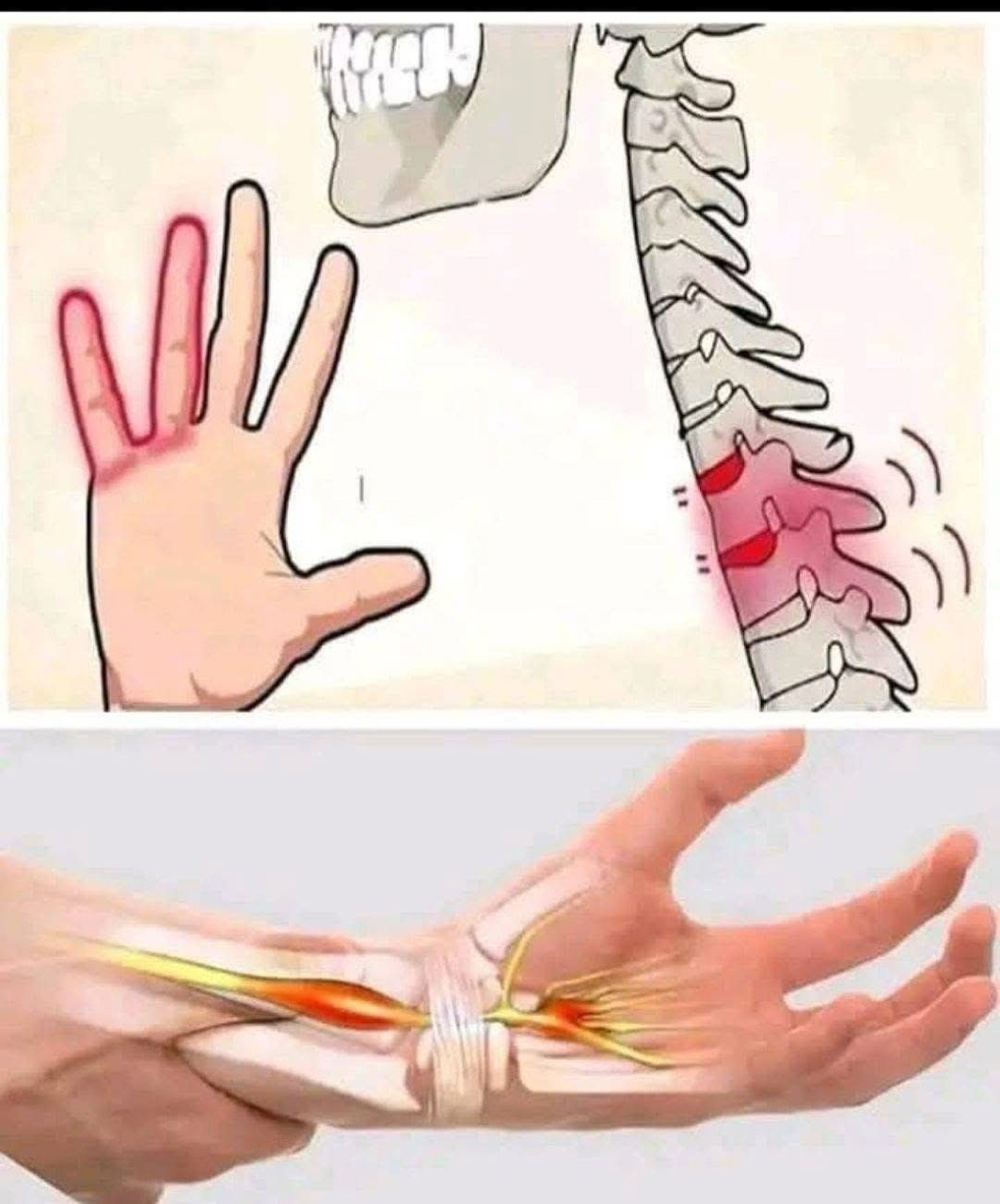
If you’ve ever woken up in the middle of the night with tingling, numbness, or a “pins and needles” sensation in your hands, you’re not alone. This condition, known as paresthesia, is very common and often harmless—but in some cases, it can signal an underlying health issue that deserves attention.
🚀 Make Money Online – Up to $50 Per Day!
In this guide, we’ll break down the causes of nighttime hand paresthesia and provide practical, easy-to-follow solutions to help you sleep comfortably again.
What Is Paresthesia?
Paresthesia refers to unusual sensations in the body, most commonly described as tingling, prickling, burning, or numbness. It usually occurs when pressure is placed on a nerve or when blood flow is temporarily reduced.
When it happens at night, it’s often due to sleeping positions—but persistent or severe symptoms may point to something more serious.
Common Causes of Hands Falling Asleep at Night
1. Poor Sleeping Position
One of the most frequent causes is simply how you sleep. If your arm is bent under your pillow or body, it can compress nerves and reduce circulation.
Signs:
- Temporary numbness
- Goes away after moving your hand
- No pain during the day
2. Carpal Tunnel Syndrome
This condition occurs when the median nerve in your wrist becomes compressed.
Symptoms:
- Tingling in thumb, index, and middle fingers
- Weak grip strength
- Symptoms worse at night
People who use computers, mobile devices, or perform repetitive hand movements are more at risk.
3. Vitamin Deficiencies
A lack of certain vitamins—especially Vitamin B12—can damage nerves over time.
Signs:
- Persistent tingling in hands and feet
- Fatigue
- Memory issues
4. Diabetes
High blood sugar levels can damage nerves, leading to a condition called diabetic neuropathy.
Symptoms:
- Burning or tingling sensation
- Numbness in hands and feet
- Symptoms worsen over time
5. Neck or Spine Issues
Problems like a herniated disc or nerve compression in the neck can cause numbness in the hands.
Signs:
- Pain in neck or shoulders
- Tingling that travels down the arm
- Weakness in hands
6. Circulation Problems
Poor blood flow due to conditions like high blood pressure or narrowed arteries can lead to numbness.
7. Anxiety and Stress
Surprisingly, stress can trigger physical symptoms like tingling due to changes in breathing and blood flow.
Simple Solutions to Prevent Nighttime Paresthesia
1. Adjust Your Sleeping Position
- Avoid sleeping on your arms
- Keep wrists straight, not bent
- Use a supportive pillow
2. Stretch Before Bed
Gentle stretching improves circulation and relieves nerve pressure.
Try this:
- Extend your arm forward
- Pull fingers back gently with the other hand
- Hold for 15–20 seconds
3. Use a Wrist Splint
If you suspect carpal tunnel syndrome, wearing a wrist brace at night can keep your wrist in a neutral position and reduce pressure.
4. Improve Your Diet
Focus on nerve-friendly nutrients:
- Vitamin B12 (eggs, dairy, meat)
- Magnesium (nuts, seeds, leafy greens)
- Omega-3 fatty acids (fish, flaxseed)
5. Stay Hydrated
Dehydration can affect nerve function and circulation. Drink enough water throughout the day.
6. Manage Underlying Conditions
If you have diabetes, high blood pressure, or other chronic conditions, keeping them under control is essential to prevent nerve damage.
7. Reduce Screen Time Before Bed
Excessive phone or computer use can strain your wrists and hands. Take breaks and stretch regularly.
When Should You See a Doctor?
Occasional numbness is usually harmless. However, seek medical advice if you experience:
- Persistent or worsening symptoms
- Severe pain or weakness
- Numbness that doesn’t go away after movement
- Symptoms affecting daily activities
Early diagnosis can prevent long-term nerve damage.
A Simple Nighttime “Relief Recipe”
Think of this as a routine rather than food:
Ingredients:
- 5 minutes of stretching
- A comfortable pillow
- Proper sleeping posture
- Optional wrist support
Instructions:
- Stretch your hands and wrists before bed
- Adjust your sleeping position
- Keep your arms relaxed at your sides
- Use a wrist splint if needed
- Sleep in a comfortable, neutral position
Result: Better circulation, less nerve pressure, and more restful sleep.
Final Thoughts
Hands falling asleep at night can be annoying, but in many cases, it’s easily fixable with small lifestyle changes. Paying attention to your body, improving your sleep posture, and maintaining good nutrition can make a big difference.
