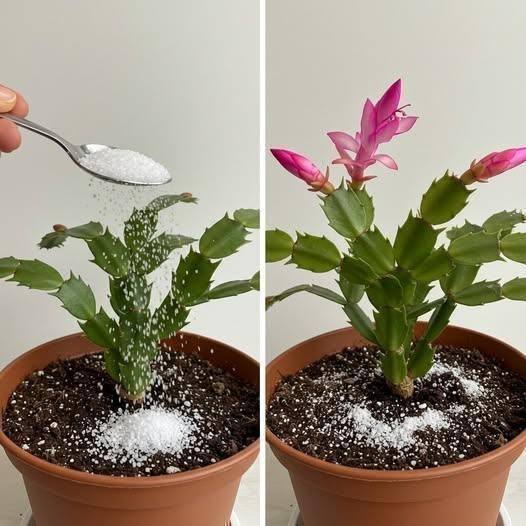
As summer fades and the crisp breath of fall fills the air, many people notice a subtle change inside their homes—house flowers that once looked vibrant begin to slow down. Leaves may droop, blooms fade faster, and growth seems to pause. Most assume this is normal and simply reduce watering or move plants closer to a window. But fall doesn’t have to mean decline. In fact, it can be a season of renewal for your indoor flowers if you know one little secret.That secret isn’t expensive fertilizer or complicated care routines. It’s adjusting how your plants breathe and drink during fall, aligning their care with the season rather than fighting it.
Fall changes everything for indoor plants. Daylight hours shorten, indoor air becomes drier as heaters come on, and temperatures fluctuate between warm days and cool nights. Flowering houseplants—such as peace lilies, African violets, orchids, begonias, and geraniums—are especially sensitive to these shifts.
Many people continue summer care habits into fall, which is where problems begin. Overwatering, poor air circulation, and dry indoor air can stress roots and leaves. The result? Yellowing foliage, bud drop, and fewer flowers.
The key is not doing more, but doing smarter.
The Little Secret: Oxygen-Rich Watering
Here’s the simple but powerful secret that wakes up house flowers in fall:
Let your water breathe before it reaches your plants.
Tap water often contains chlorine and other chemicals that can stress sensitive flowering plants. In fall, when plants are already adjusting to lower light, this extra stress can slow them down even more.
The solution:
Fill a watering can or container and let the water sit uncovered for 8–12 hours (overnight is perfect). This allows chlorine to dissipate and oxygen to naturally enrich the water. When you water with this rested, oxygen-rich water, roots absorb nutrients more efficiently and stay healthier.
It sounds small—but this single habit can noticeably improve leaf color, bloom strength, and overall plant energy within weeks.
A Fall Revival Routine for House Flowers
Think of fall care as a gentle reset rather than aggressive growth forcing.
1. Water Less, but Better
Most flowering houseplants need less water in fall. Always check the top inch of soil—if it’s dry, water; if not, wait. When you do water, use your rested water and water deeply until excess drains out. Never let flowers sit in standing water.
2. Clean the Leaves
Dust builds up faster indoors during fall. Gently wipe leaves with a soft damp cloth every two weeks. Clean leaves breathe better and absorb more light, which is critical during shorter days.
3. Feed Lightly
Heavy feeding in fall can overwhelm plants. Use a diluted liquid fertilizer (half strength) once every 4–6 weeks, or pause feeding entirely if your plant is resting. Healthy roots matter more than fast growth now.
4. Improve Air Without Cold Drafts
Plants love fresh air, but hate cold shocks. Briefly opening a window during warmer daytime hours improves air circulation and reduces fungal issues—just keep plants away from direct drafts.
The Hidden Role of Humidity
One of fall’s biggest challenges is dry indoor air. Flowering plants often come from tropical environments, and dry air can cause buds to drop before opening.
Easy humidity boost (no humidifier needed):
-
Place a shallow tray filled with water and pebbles near your plants.
-
Group plants together to create a micro-humid environment.
-
Lightly mist flowers like orchids and peace lilies in the morning (not at night).
This simple step alone can extend bloom life dramatically.
Light: The Fall Game-Changer
Light is the fuel for flowers. In fall, even sunny windows provide less intensity.
-
Move flowering plants closer to windows—but avoid cold glass.
-
Rotate pots weekly so all sides receive light.
-
If blooms are important, consider a small LED grow light for 6–8 hours a day.
More consistent light often triggers a second wave of blooms in fall-blooming houseplants.
A Gentle Boost: Natural Root Tonic
Once a month, you can give your flowers a natural, mild boost:
Fall Root Tonic
-
1 liter rested water
-
1 teaspoon compost tea or a few drops of liquid seaweed
Water your plants as usual. This supports root health without pushing excessive leaf growth—perfect for fall.
Signs Your Fall Care Is Working
Within 2–3 weeks, you may notice:
-
Firmer, deeper green leaves
-
New buds forming (especially on peace lilies and African violets)
-
Longer-lasting blooms
-
Less leaf drop
These are signs your plants have adjusted and are thriving—not just surviving.
Final Thoughts
Fall doesn’t have to be a quiet season for house flowers. With one simple secret—letting water breathe before watering—and a few thoughtful adjustments, your indoor flowers can stay lush, colorful, and full of life.
Instead of fighting the season, work with it. When you slow down, soften your care, and focus on root health and air quality, your house flowers respond with gratitude—often in the form of unexpected, beautiful blooms right when the outside world is winding down.
