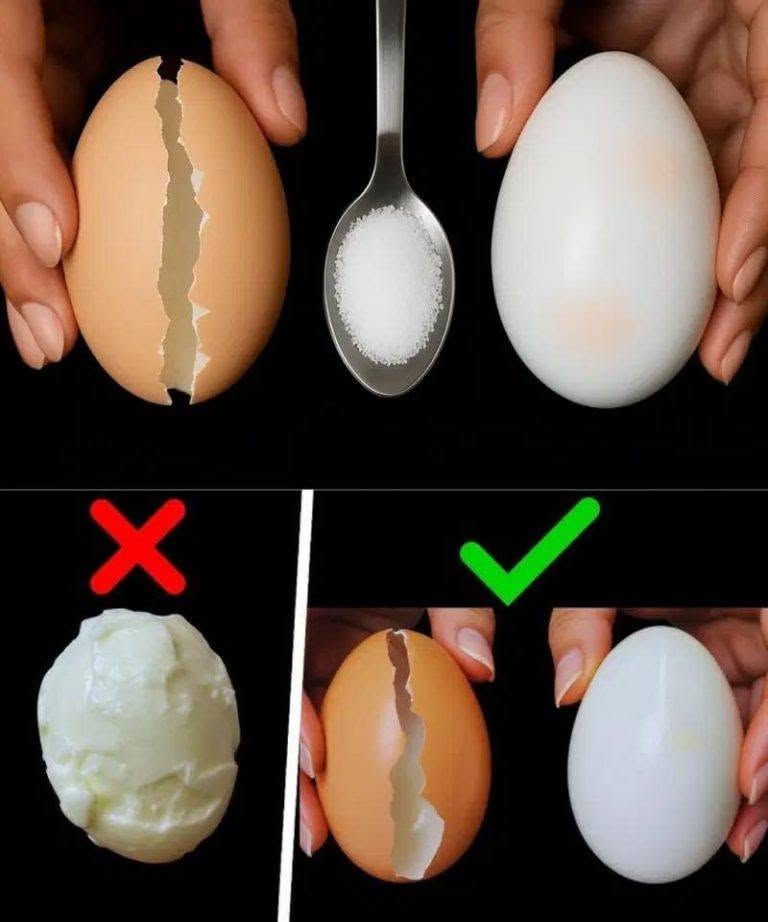
Eggs are one of the most versatile and nutritious foods in the world. Most people simply place them in a pot of water and boil them until done. While this traditional method works, it often leads to cracked shells, rubbery whites, overcooked yolks, and inconsistent results.
🚀 Make Money Online – Up to $50 Per Day!
Many luxury hotels and professional chefs use a different technique to achieve perfectly cooked eggs with a creamy texture and flawless appearance. Instead of aggressively boiling eggs in rapidly bubbling water, they cook them gently using controlled heat. This method helps preserve the egg’s delicate structure and produces restaurant-quality results every time.
If you’ve ever wondered why eggs served at high-end hotels taste smoother, peel easier, and look more appealing, this simple technique may be the reason.
Why Traditional Boiling Can Be a Problem
When eggs are dropped into vigorously boiling water, they are exposed to sudden temperature changes. This can cause several issues:
- Cracked shells
- Tough egg whites
- Dry or chalky yolks
- Green-gray rings around the yolk
- Difficult peeling
The intense heat can also make it harder to control the final texture of the egg.
The Five-Star Hotel Method: Gentle Simmering
Professional kitchens often rely on a gentle simmer rather than a full rolling boil. This method cooks eggs more evenly and reduces the risk of damage.
Ingredients
- 6 large eggs
- Water (enough to cover the eggs by about 1 inch)
- Ice water for cooling
Instructions
Step 1: Bring Eggs to Room Temperature
Remove the eggs from the refrigerator about 15 minutes before cooking. This helps reduce temperature shock and lowers the chance of cracking.
Step 2: Heat the Water
Fill a saucepan with enough water to cover the eggs.
Place the pan over medium heat and allow the water to reach a gentle simmer. You should see small bubbles forming at the bottom of the pot, but the water should not be boiling aggressively.
Step 3: Add the Eggs Carefully
Using a spoon, gently lower the eggs into the simmering water.
Avoid dropping them directly into the pot, as this can crack the shells.
Step 4: Cook According to Desired Doneness
For soft-boiled eggs:
- 6 to 7 minutes
For medium eggs:
- 8 to 9 minutes
For hard-boiled eggs:
- 10 to 12 minutes
Maintain a gentle simmer throughout the cooking process.
Step 5: Transfer to Ice Water
Immediately place the cooked eggs into a bowl filled with ice water.
Let them cool for at least 5 minutes.
This step stops the cooking process and helps prevent overcooked yolks.
Step 6: Peel and Serve
Lightly tap the shell and peel under running water if desired.
The shells often come off more easily when eggs are cooked using this gentle method.
Another Luxury Hotel Technique: Steam-Cooked Eggs
Many professional kitchens also steam eggs instead of boiling them.
How to Steam Eggs
Ingredients
- Eggs
- 1 inch water in a pot
Method
- Add water to a saucepan.
- Bring the water to a boil.
- Place eggs in a steamer basket.
- Cover with a lid.
- Steam for:
- 6 minutes for soft-boiled
- 9 minutes for medium
- 12 minutes for hard-boiled
- Transfer immediately to ice water.
Steaming cooks eggs evenly and often makes peeling much easier.
Benefits of the Hotel Method
More Consistent Results
Gentle heat cooks the egg evenly from edge to center.
Better Texture
The whites remain tender while the yolks stay creamy and flavorful.
Fewer Cracked Eggs
Lower cooking temperatures reduce shell stress.
Easier Peeling
The ice-water bath and controlled cooking process often make shells easier to remove.
Better Appearance
You are less likely to see the unattractive green ring that sometimes forms around overcooked yolks.
Tips for Perfect Eggs Every Time
Use Older Eggs for Hard-Boiled Eggs
Eggs that are about a week old tend to peel more easily than very fresh eggs.
Don’t Skip the Ice Bath
Cooling the eggs quickly stops residual cooking and improves texture.
Avoid Overcrowding the Pot
Give eggs enough space so they cook evenly.
Keep the Heat Moderate
A violent boil is unnecessary and can lead to cracks and uneven cooking.
Use a Timer
Even one or two extra minutes can change the texture significantly.
Serving Ideas
These perfectly cooked eggs can be enjoyed in many ways:
- Breakfast platters
- Salads
- Sandwiches
- Avocado toast
- Ramen bowls
- Grain bowls
- Deviled eggs
- Protein-rich snacks
Their smooth texture and attractive appearance make them suitable for both everyday meals and special occasions.
Final Thoughts
While boiling eggs directly in rapidly bubbling water is common, many professional chefs and luxury hotels prefer gentler cooking methods such as simmering or steaming. These techniques provide better control over texture, reduce cracking, improve peeling, and create eggs that look and taste more refined.
The next time you’re preparing eggs, skip the vigorous boil and try the five-star hotel approach. With just a small adjustment in technique, you can enjoy perfectly cooked eggs that are tender, flavorful, and worthy of a restaurant breakfast table.
