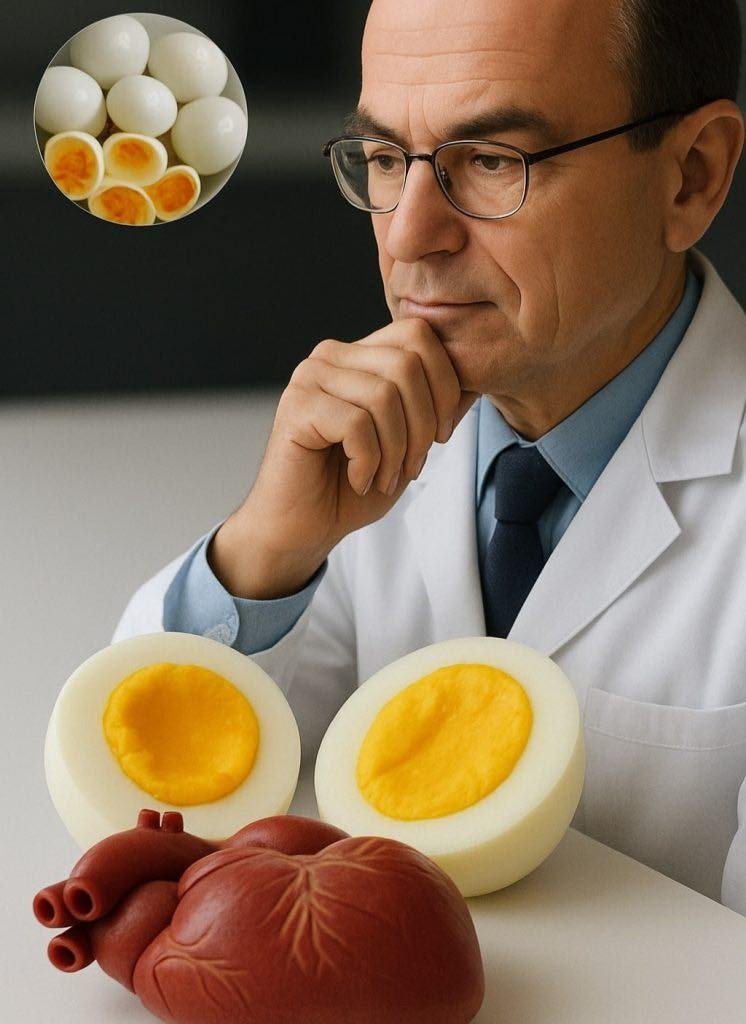
Boiled eggs have long been a breakfast favorite around the world. Simple, affordable, and packed with nutrients, they are often recommended by nutrition experts as part of a balanced morning meal. In recent years, doctors and researchers have taken a closer look at how eating boiled eggs in the morning may influence heart health. The results are encouraging: when consumed in moderation as part of a healthy diet, boiled eggs can actually support a stronger, healthier heart.
Let’s explore why this humble breakfast staple deserves a place on your plate — and how to prepare it perfectly.
Why Boiled Eggs Are Good for Your Heart
Eggs were once criticized for their cholesterol content. However, modern research shows that dietary cholesterol does not affect blood cholesterol levels in most people as much as once believed. In fact, eggs contain several nutrients that actively support heart health.
1. High-Quality Protein
Boiled eggs are rich in complete protein, meaning they provide all nine essential amino acids. Protein helps maintain muscle mass, including the heart muscle. Starting your morning with protein also stabilizes blood sugar levels, reducing cravings and supporting healthy weight management — an important factor in heart health.
2. Healthy Fats
Egg yolks contain healthy fats that help the body absorb fat-soluble vitamins. These fats can increase HDL (the “good” cholesterol), which helps remove excess LDL (the “bad” cholesterol) from the bloodstream.
3. Choline for Cardiovascular Function
Eggs are one of the best sources of choline, a nutrient essential for cell membrane integrity and nervous system function. Choline also plays a role in reducing inflammation — a key contributor to heart disease.
4. Antioxidants: Lutein and Zeaxanthin
Although better known for supporting eye health, lutein and zeaxanthin also reduce oxidative stress in the body. Lower oxidative stress means less damage to blood vessels and arteries.
5. Vitamin D and B Vitamins
Eggs contain vitamin D, which supports heart muscle function, and B vitamins such as B12 and folate that help regulate homocysteine levels. High homocysteine is associated with an increased risk of cardiovascular disease.
What Doctors Actually Say
Major health organizations, including the American Heart Association, now acknowledge that eggs can be part of a heart-healthy diet when eaten in moderation. For most healthy individuals, one egg per day fits comfortably within dietary guidelines.
Studies published in reputable journals such as the Journal of the American College of Cardiology have suggested that moderate egg consumption does not increase heart disease risk in healthy individuals and may even be associated with improved heart outcomes when part of a balanced diet.
The key is moderation and overall dietary pattern. Eggs should be paired with fiber-rich vegetables, whole grains, and healthy fats rather than processed meats like bacon or sausage.
Perfect Heart-Friendly Boiled Eggs
Here’s a simple and nutritious way to enjoy boiled eggs in the morning.
Ingredients:
-
2 large fresh eggs
-
Water (enough to cover eggs)
-
A pinch of sea salt
-
Optional: black pepper, olive oil drizzle, sliced avocado, whole-grain toast
Instructions:
-
Place Eggs in a Pot
Arrange the eggs in a single layer in a saucepan. -
Add Water
Fill the pot with cold water until the eggs are covered by about 1 inch. -
Bring to a Boil
Heat on medium-high until the water reaches a rolling boil. -
Turn Off Heat and Cover
Once boiling, turn off the heat and cover the pot.-
For soft-boiled: let sit 6–7 minutes
-
For medium-boiled: 8–9 minutes
-
For hard-boiled: 10–12 minutes
-
-
Cool Immediately
Transfer eggs to cold water or an ice bath for 5 minutes. This stops cooking and makes peeling easier. -
Peel and Serve
Sprinkle lightly with sea salt and black pepper. Serve alongside sliced avocado or whole-grain toast for a balanced breakfast.
Tips for Maximum Heart Benefits
-
Pair boiled eggs with vegetables like spinach, tomatoes, or arugula.
-
Avoid frying eggs in butter or pairing with processed meats.
-
Stick to 1–2 eggs per day unless advised otherwise by your doctor.
-
If you have existing heart disease, diabetes, or high cholesterol, consult your healthcare provider about ideal intake.
Who Should Be Careful?
While eggs are safe for most people, individuals with certain metabolic conditions or familial hypercholesterolemia should monitor cholesterol intake carefully. If unsure, personalized medical advice is always best.
Final Thoughts
Boiled eggs in the morning are more than just convenient — they are a nutrient powerhouse. Packed with protein, healthy fats, vitamins, and antioxidants, they can support heart muscle function, reduce inflammation, and promote balanced cholesterol levels when eaten as part of a wholesome diet.
