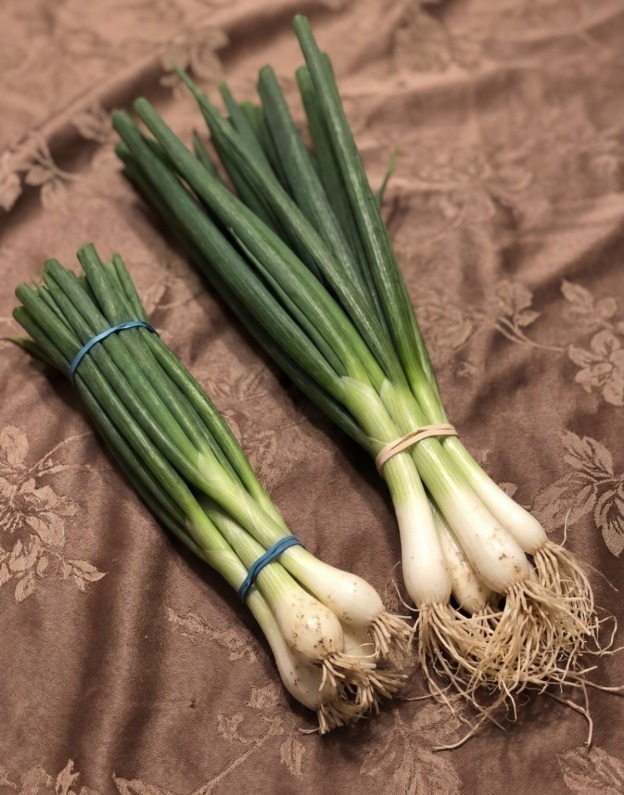
Green onions, scallions, spring onions, and chives are often used interchangeably in recipes, yet they are not exactly the same. While they all belong to the allium family—which includes garlic, leeks, and bulb onions—they differ in appearance, flavor intensity, and culinary use. Understanding these differences can elevate your cooking and help you choose the right ingredient for the right dish. Below is a detailed guide explaining how each one differs and how to use them effectively in your recipes.
Green Onions and Scallions: Are They the Same?
In most grocery stores and recipes, green onions and scallions refer to the same vegetable. They are young onions harvested before the bulb fully develops. You will recognize them by their long, slender green stalks and small white base. The bulb is either very small or slightly rounded but not fully formed.
Flavor Profile:
Green onions (or scallions) have a mild onion flavor. The white part has a sharper taste, while the green tops are milder and slightly grassy.
Culinary Uses:
They are incredibly versatile and can be eaten raw or cooked. You’ll often find them:
-
Sliced over soups and salads
-
Mixed into scrambled eggs or omelets
-
Stirred into fried rice or noodle dishes
-
Used as garnish for baked potatoes and tacos
Because their flavor is delicate, they are perfect for recipes where you want a hint of onion without overpowering the dish.
Spring Onions: A More Mature Version
Spring onions look similar to green onions but are harvested later in the growing process. Unlike scallions, they have a noticeable round bulb at the base. The bulb can be white or purple depending on the variety.
Flavor Profile:
Spring onions have a stronger, more traditional onion taste compared to scallions. The bulb is sweeter and more pronounced, while the green tops remain somewhat mild.
Culinary Uses:
Due to their fuller flavor, spring onions work well in both raw and cooked dishes:
-
Grilled whole with olive oil and salt
-
Roasted alongside meats and vegetables
-
Sliced thin for salads
-
Pickled for a tangy side
When cooked, the bulb becomes tender and slightly sweet, making it ideal for roasting or grilling.
Chives: The Delicate Herb
Chives are quite different from the others in appearance and use. They are classified more as an herb than a vegetable. Chives grow in thin, hollow green blades without any noticeable bulb.
Flavor Profile:
Chives have a very mild onion flavor, much subtler than scallions or spring onions. They add freshness rather than strong onion intensity.
Culinary Uses:
Chives are typically used fresh and added at the end of cooking:
-
Sprinkled over baked potatoes
-
Mixed into cream cheese or sour cream
-
Garnished on soups
-
Blended into salad dressings
Cooking chives too long can destroy their delicate flavor, so they are best used raw or lightly stirred in at the end.
Key Differences at a Glance
Appearance:
-
Green onions/scallions: Long green stalks, small undeveloped white bulb
-
Spring onions: Larger rounded bulb with thicker stalks
-
Chives: Thin, grass-like blades with no visible bulb
Flavor Strength:
-
Mildest: Chives
-
Mild to moderate: Green onions/scallions
-
Strongest and sweetest bulb: Spring onions
Best Uses:
-
Garnish: Chives and green tops of scallions
-
Stir-fries and sautés: Green onions
-
Grilling and roasting: Spring onions
Simple Recipe: Creamy Herb and Onion Spread
To truly appreciate the differences, try this simple creamy spread that uses scallions and chives together.
Ingredients:
-
1 cup cream cheese (softened)
-
2 tablespoons finely chopped green onions (white and green parts)
-
1 tablespoon fresh chives, finely chopped
-
1 tablespoon lemon juice
-
Salt and black pepper to taste
Instructions:
-
In a medium bowl, combine the softened cream cheese and lemon juice.
-
Stir in the chopped green onions and chives.
-
Season with salt and pepper.
-
Mix until smooth and evenly combined.
-
Refrigerate for 30 minutes before serving to allow flavors to blend.
Serve this spread on toasted bread, crackers, or as a dip for fresh vegetables. The scallions add a mild onion bite, while the chives contribute a gentle herbal note.
Substitution Tips
If a recipe calls for scallions and you only have chives, you can substitute them, but use more chives for similar impact since they are milder. If you only have spring onions, use less of the bulb portion to avoid overpowering the dish.
For cooked recipes, spring onions can replace scallions, but keep in mind the stronger flavor. For raw garnishes, chives are usually the best choice.
Final Thoughts
Though green onions, scallions, spring onions, and chives are closely related, each brings something unique to the kitchen. Scallions and green onions are essentially the same and offer versatility and mild flavor. Spring onions provide a stronger, sweeter bulb perfect for roasting and grilling. Chives, delicate and herb-like, are ideal for finishing dishes with subtle onion freshness.
Knowing these distinctions ensures better flavor balance and more confident cooking. Whether you’re making a stir-fry, creamy dip, or fresh salad, choosing the right allium can make all the difference in your recipe’s final taste.
