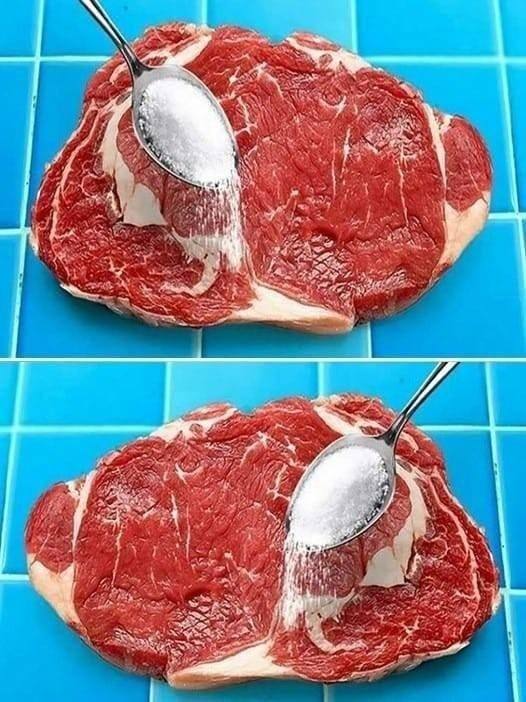
Have you ever wondered why restaurant meat feels so incredibly tender, juicy, and flavorful, while meat cooked at home can sometimes turn out tough or chewy? Professional chefs use several techniques to achieve that perfect texture, but one of their most powerful secrets is surprisingly simple and affordable. The secret ingredient is baking soda.
Yes, ordinary baking soda—something you probably already have in your kitchen—can transform tough cuts of meat into tender, melt-in-your-mouth perfection. This technique, known as “velveting,” has been used for generations, especially in Asian cooking, to create silky, soft meat without long marinating times or expensive cuts.
In this complete guide, you’ll learn exactly how baking soda works, how to use it properly, and how to cook tender meat every single time.
Why Baking Soda Makes Meat Tender
To understand why baking soda works, it helps to know a little kitchen science. Meat contains proteins that tighten when exposed to heat. When these proteins tighten too much, the meat becomes tough and dry.
Baking soda is alkaline, meaning it raises the pH level on the surface of the meat. This higher pH prevents the proteins from tightening excessively during cooking. As a result, the meat retains more moisture and stays tender.
Instead of squeezing out juices, the meat holds onto them, giving you juicy, flavorful results—even with cheaper cuts like chuck, round, or flank steak.
Ingredients
This simple tenderizing method requires only a few basic ingredients:
-
500 grams beef, chicken, lamb, or any meat of your choice
-
1 teaspoon baking soda
-
2 tablespoons water
-
½ teaspoon salt
-
½ teaspoon black pepper
-
1 tablespoon oil (optional, for cooking)
Step-by-Step Instructions
Step 1: Prepare the Meat
Start by cutting the meat into your desired size. Smaller pieces work especially well with this method, such as strips, cubes, or thin slices. This allows the baking soda to work evenly across the surface.
Pat the meat dry with paper towels. Removing excess moisture helps the baking soda adhere properly.
Step 2: Apply the Baking Soda Mixture
In a small bowl, mix the baking soda with water to create a light solution. Pour this mixture over the meat and gently massage it in using your hands. Make sure every piece is lightly coated.
You do not need to use too much. A thin coating is enough to tenderize effectively.
Step 3: Let It Rest
Allow the meat to rest for 15 to 30 minutes. During this time, the baking soda will begin altering the protein structure and tenderizing the meat.
For tougher cuts, you can extend the time up to 45 minutes, but avoid exceeding one hour, as too much exposure may affect the texture.
Step 4: Rinse Thoroughly
After resting, rinse the meat thoroughly under cold water. This step is very important because it removes excess baking soda and prevents any unwanted taste.
Once rinsed, pat the meat dry again with paper towels.
Step 5: Season and Cook
Now your meat is ready to cook. Season it with salt, pepper, and any spices you prefer.
You can cook it using any method, such as:
-
Frying
-
Grilling
-
Stir-frying
-
Baking
-
Roasting
You’ll immediately notice that the meat cooks faster and remains incredibly tender.
Example Cooking Method: Tender Pan-Seared Beef
Heat 1 tablespoon oil in a pan over medium-high heat. Add the prepared meat and cook for 3–5 minutes, stirring occasionally.
The meat will brown beautifully while staying soft and juicy inside.
Serve hot with rice, vegetables, or your favorite sauce.
Why Chefs Love This Method
Professional chefs prefer this method for several important reasons:
Fast results: Unlike traditional marinades that take hours, baking soda works in under 30 minutes.
Works on cheaper cuts: You don’t need expensive meat. Even affordable cuts become tender.
Retains moisture: Meat stays juicy instead of drying out.
Improves texture: The result is soft, smooth, and restaurant-quality.
Versatile: Works on beef, chicken, lamb, and even seafood like shrimp.
Tips for Best Results
Always use the correct amount. Too much baking soda can affect flavor and texture.
Always rinse thoroughly after tenderizing.
Slice meat against the grain. This shortens muscle fibers and improves tenderness.
Do not marinate too long. Thirty minutes is usually enough.
Cook quickly over medium-high heat to seal in juices.
Alternative Natural Tenderizers
While baking soda is one of the fastest methods, other ingredients can also tenderize meat naturally, such as:
-
Yogurt
-
Lemon juice
-
Vinegar
-
Pineapple juice
-
Papaya
These work by breaking down proteins using natural acids or enzymes.
However, baking soda is faster, more affordable, and easier to control.
Common Mistakes to Avoid
Using too much baking soda is the most common mistake. A small amount is all you need.
Skipping the rinsing step can leave an unpleasant taste.
Overcooking the meat can still make it dry, even if tenderized.
Using extremely thick cuts may require slicing thinner for best results.
Final Thoughts
The secret chefs use to make meat incredibly tender isn’t expensive equipment or rare ingredients. It’s a simple kitchen staple—baking soda.
By raising the pH level and preventing protein tightening, baking soda ensures your meat stays juicy, soft, and flavorful. This method is quick, easy, and perfect for everyday cooking.
