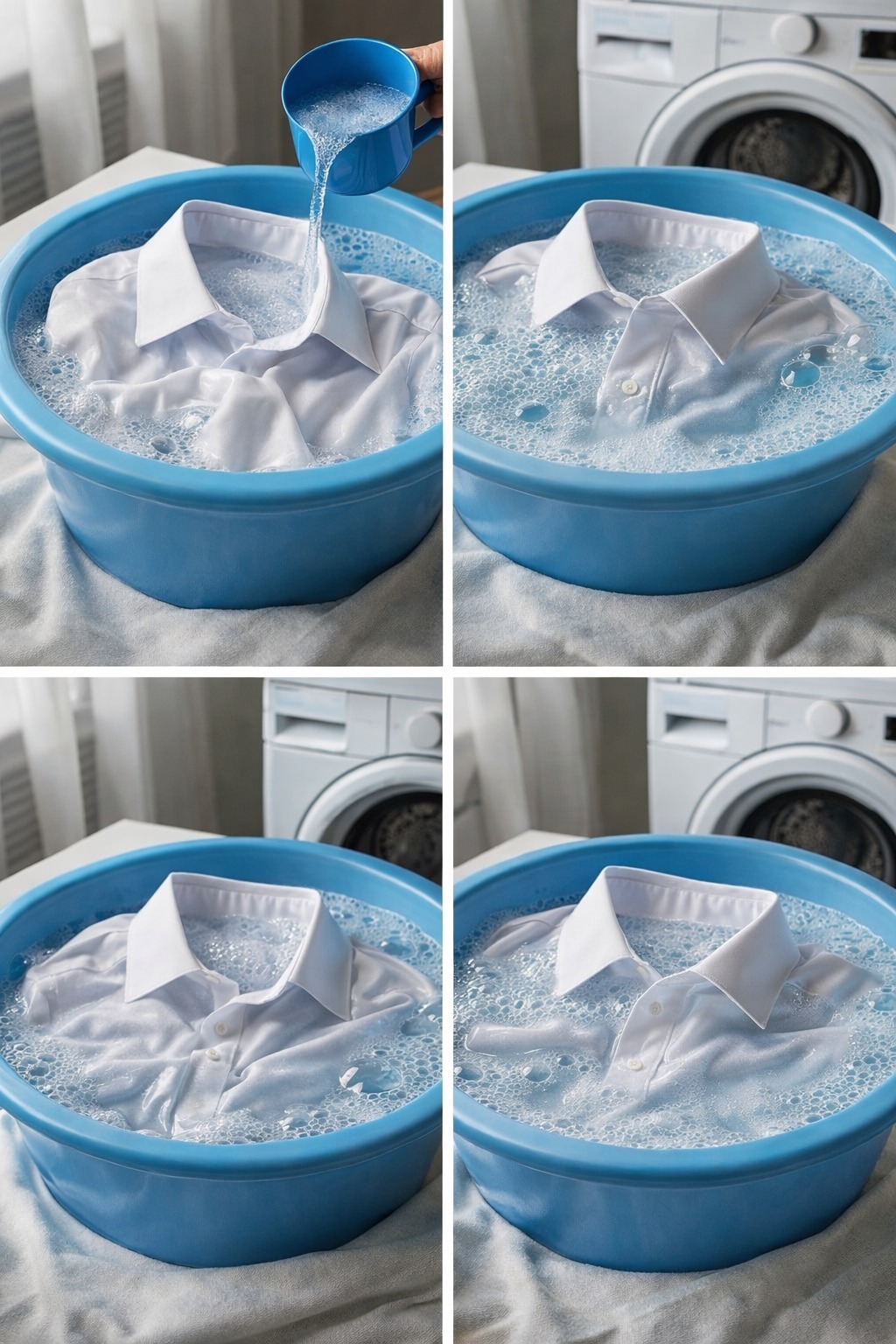
Goodbye to yellow sweat stains on clothes, you only need 1 ingredient: very white clothes

Yellow sweat stains on white clothes can be incredibly frustrating. You pull your favorite white shirt out of the closet, only to notice dull underarm patches that refuse to disappear—no matter how often you wash them. Over time, these stains can make even brand-new garments look old and worn out.

The good news? You don’t need expensive stain removers or harsh chemicals. In fact, you only need one simple ingredient that you probably already have at home: baking soda.

Yes, that humble box sitting in your kitchen can restore your whites and say goodbye to yellow sweat stains for good.


Why Do Sweat Stains Turn Yellow?

Before we dive into the solution, it’s helpful to understand what causes those stubborn yellow marks.

Sweat itself is mostly water. However, when it mixes with:

  • Body oils

  • Deodorant or antiperspirant

  • Bacteria on the skin

It creates a chemical reaction that leads to yellow discoloration, especially on white cotton fabrics. Aluminum compounds in antipersants are often the main culprit behind those deep underarm stains.

Regular washing alone usually isn’t enough to remove them because the residue builds up over time.


The One Ingredient That Works: Baking Soda

Baking soda (sodium bicarbonate) is a natural cleaning powerhouse. It works because it:

  • Neutralizes odors

  • Breaks down sweat and oil buildup

  • Gently lifts stains from fabric fibers

  • Whitens without damaging fabric

Unlike bleach, baking soda doesn’t weaken fabric fibers or leave harsh chemical smells behind.


Method 1: Baking Soda Paste (Most Effective)

This is the simplest and most powerful method.

What You Need:

  • 4 tablespoons baking soda

  • A small amount of water

  • An old toothbrush or soft brush

Instructions:

  1. Mix the Paste
    Combine baking soda with just enough water to form a thick paste.

  2. Apply to the Stain
    Spread the paste generously over the yellow areas.

  3. Let It Sit
    Leave it for at least 1–2 hours. For heavy stains, let it sit overnight.

  4. Scrub Gently
    Use a toothbrush to gently scrub the area.

  5. Wash as Usual
    Wash the garment in warm water (if fabric allows).

After drying, you’ll notice the stain is dramatically lighter—or completely gone.


Method 2: Baking Soda Boost in the Washing Machine

If stains are mild or you want to maintain bright whites:

  1. Add ½ cup of baking soda directly into the drum of your washing machine.

  2. Add your regular detergent.

  3. Wash on the warmest setting safe for the fabric.

This method helps maintain brightness and prevents future yellowing.


Why Baking Soda Is Better Than Bleach

Many people immediately reach for bleach, but bleach can:

  • Weaken fabric fibers

  • Cause yellowing over time

  • React with sweat and make stains worse

  • Damage delicate fabrics

Baking soda, on the other hand, is gentle and safe for most fabrics.


Extra Tip for Stubborn Stains

For very old or dark stains, you can enhance baking soda’s power:

  • Sprinkle baking soda directly on the stain.

  • Add a few drops of white vinegar (optional booster).

  • Let it fizz.

  • Scrub and wash.

The reaction helps lift deep-set discoloration.


Preventing Future Yellow Stains

Now that your clothes are white again, here’s how to keep them that way:

1. Let Deodorant Dry

Wait a few minutes after applying deodorant before putting on clothes.

2. Switch Deodorants

Consider using aluminum-free deodorants to reduce chemical buildup.

3. Wash Quickly

Don’t let sweaty clothes sit for days before washing.

4. Use Baking Soda Regularly

Add a small amount to your weekly wash for ongoing whitening power.


Works on More Than Just Shirts

Baking soda isn’t just for underarm stains. It also works on:

  • Yellow pillowcases

  • White bed sheets

  • School uniforms

  • White undershirts

  • Sportswear

It restores brightness and freshness naturally.


Safe for Most Fabrics

Baking soda is safe for:

  • Cotton

  • Polyester blends

  • Linen

However, always test on a small hidden area first if the fabric is delicate.


Final Thoughts

Yellow sweat stains don’t mean your white clothes are ruined. With just one simple ingredient—baking soda—you can bring them back to life without harsh chemicals or expensive products.

It’s affordable, natural, and incredibly effective.

Next time you see those stubborn yellow marks, don’t throw your shirt away. Head to your kitchen instead. Your white clothes can look fresh, clean, and bright again—with just one ingredient.


To see someone’s true character, observe just these 2 things

In a world where social media profiles are curated, conversations are filtered, and first impressions are carefully crafted, it can be difficult to truly understand who someone really is. Words can be polished. Smiles can be practiced. Promises can be made easily. But character — real character — is revealed not by what a person says, but by what they consistently do.

If you want to see someone’s true character, observe just these two things: how they treat people who can do nothing for them and how they behave when things don’t go their way.

These two simple observations can reveal more about a person than years of casual interaction.


1. How They Treat People Who Can Do Nothing for Them

Character is most visible in moments where there is no reward involved.

Pay attention to how someone treats waiters, drivers, cleaners, receptionists, or strangers. Do they speak politely? Do they show patience? Do they acknowledge others with respect? Or do they change their tone when they believe someone holds no influence or power?

True kindness does not depend on status.

A person with strong character understands that respect is not earned through wealth, title, or authority — it is a basic human right. They say “thank you.” They make eye contact. They listen. They don’t belittle, ignore, or dismiss others based on social standing.

It’s easy to be kind to a boss, a client, or someone influential. There is benefit attached. But kindness toward those who cannot offer anything in return comes purely from inner values.

Observe also how they talk about people who aren’t present. Do they gossip? Mock? Reveal private details for entertainment? Someone who speaks poorly about others behind their back will likely do the same about you.

Another revealing sign is how they treat family members, especially those who may depend on them — elderly parents, younger siblings, or children. Do they show patience and care, or frustration and control?

Character is not about public performance. It’s about private consistency.

If someone is respectful only when watched but dismissive when unobserved, that inconsistency speaks loudly. Integrity means behaving the same way regardless of who is watching.

When you see someone consistently treating all people with dignity — regardless of wealth, status, or usefulness — you are witnessing genuine character.


2. How They Behave When Things Don’t Go Their Way

The second and perhaps even more powerful test of character is how someone reacts under pressure.

Success is easy to handle. Praise is comfortable. But disappointment, stress, and failure reveal what lies beneath the surface.

Watch how someone reacts when they lose an argument, miss an opportunity, or face criticism. Do they explode in anger? Blame others? Refuse responsibility? Or do they pause, reflect, and respond calmly?

Adversity removes masks.

A person who maintains composure during setbacks shows emotional maturity. This doesn’t mean they don’t feel frustration — it means they control their reactions rather than allowing emotions to control them.

Pay attention to accountability. When something goes wrong, do they admit mistakes? Or do they immediately search for someone else to blame?

Owning errors requires humility and courage — two essential pillars of strong character.

Also observe how they treat others during stressful moments. Do they lash out at those closest to them? Do they become disrespectful when under pressure? Or do they remain fair and measured?

Stress magnifies what already exists inside a person. If someone becomes cruel during difficulty, that cruelty was not created by the situation — it was revealed by it.

Resilience is another indicator. When faced with failure, do they give up completely? Or do they learn, adapt, and try again?

True character includes perseverance without bitterness.


Why These Two Observations Matter

Many people judge character based on charm, intelligence, humor, or success. But those qualities can exist without integrity.

Someone can be charismatic and still be selfish. Someone can be wealthy and still lack empathy. Someone can speak beautifully and still act poorly.

Character is built on values — respect, responsibility, honesty, empathy, and self-control.

And values show themselves most clearly:

  • When there is no benefit to being kind.

  • When there is pressure to react emotionally.

These two moments strip away performance and expose reality.


The Quiet Signals You Shouldn’t Ignore

Sometimes the signs are subtle:

  • Interrupting others frequently.

  • Speaking harshly to service staff.

  • Avoiding apologies.

  • Changing personality depending on who is present.

  • Showing patience only when convenient.

These small patterns, repeated over time, form a clear picture.

Character is not a single act; it is a pattern.

Likewise, positive signals are powerful:

  • Gratitude expressed sincerely.

  • Calm responses during conflict.

  • Accountability without excuses.

  • Consistent respect toward everyone.

  • Willingness to listen and learn.

When these behaviors are steady and genuine, they indicate strong inner foundations.


Character Is a Choice, Not a Talent

It’s important to remember that character is not something people are born with fully formed. It is shaped by daily choices.

Every interaction presents an opportunity to choose patience over anger, honesty over convenience, and respect over superiority.

Observing others through these two lenses doesn’t mean judging harshly. Instead, it allows you to make wise decisions about trust, relationships, and partnerships.

And perhaps more importantly, it invites self-reflection.

Ask yourself:

  • Do I treat people kindly when there’s nothing to gain?

  • How do I react when things don’t go my way?

The same two observations we use to understand others can help us improve ourselves.


Final Thought

If you truly want to know someone, don’t focus on their words. Don’t be distracted by charm or appearance.

Watch how they treat those who cannot benefit them.

Watch how they behave when life challenges them.

In those quiet, unguarded moments — when no reward is at stake and no spotlight is shining — true character reveals itself.

7 psychological reasons why a child might not value their mother

The bond between a mother and child is often described as one of the strongest emotional connections in human life. However, not every relationship follows this ideal. Some children grow up feeling distant, resentful, or indifferent toward their mothers. When a child does not appear to value their mother, it is rarely simple or one-sided. Instead, complex psychological, emotional, and environmental factors often play a role.

Understanding these reasons can help parents, caregivers, and even adult children reflect on what may be happening beneath the surface.

1. Emotional Neglect During Childhood

Children need emotional validation as much as they need food and shelter. When a mother is physically present but emotionally unavailable—distracted, overwhelmed, or unresponsive—the child may grow up feeling unseen or unheard.

Emotional neglect can teach a child that their feelings do not matter. Over time, this can lead to emotional detachment. As adults, these children may struggle to feel warmth or appreciation toward their mothers because their core emotional needs were not met during critical developmental years.

It’s important to note that neglect is not always intentional. Stress, financial hardship, depression, or personal trauma can limit a parent’s emotional availability.

2. Overly Controlling Parenting

While guidance and discipline are essential, excessive control can damage trust and closeness. A mother who constantly monitors, criticizes, or dictates every aspect of her child’s life may unintentionally suppress independence.

Children who feel controlled often associate their mother with restriction rather than support. As they grow older, they may distance themselves emotionally to protect their sense of autonomy. This distancing can be misinterpreted as lack of appreciation, when in reality it is a coping mechanism for reclaiming independence.

3. Favoritism Among Siblings

Perceived favoritism can create deep emotional wounds. If a child feels that their mother consistently prefers another sibling—whether in attention, praise, or affection—it can lead to resentment.

Even subtle differences in treatment can leave a lasting impact. Children are highly sensitive to fairness within the family dynamic. Feeling “less valued” can eventually turn into emotional withdrawal or bitterness, making it difficult for the child to genuinely value the parent in return.

4. Unresolved Conflict and Lack of Repair

All families experience conflict. What matters most is how conflict is handled. If arguments are frequent and apologies or reconciliation rarely happen, resentment can accumulate.

Children need to see that relationships can recover after disagreements. When a mother dismisses a child’s feelings or avoids resolving disputes, the child may internalize anger or hurt. Over time, these unresolved emotions may erode admiration and respect.

Healthy relationships require repair. Without it, emotional distance grows.

5. Role Reversal (Parentification)

Sometimes children are forced to take on adult responsibilities too early. This phenomenon, known as parentification, occurs when a child becomes emotionally or practically responsible for their parent.

For example, a child may become their mother’s emotional confidant, caretaker, or even financial helper. While this may seem like maturity, it can create deep stress and resentment. The child may feel robbed of a normal childhood.

As adults, these individuals may struggle to value their mother because they associate the relationship with pressure rather than protection.

6. Influence of External Relationships

As children grow, peers, romantic partners, teachers, and social media play larger roles in shaping their perceptions. If influential figures criticize or undermine the mother, it can change how the child sees her.

In adolescence especially, identity formation becomes a priority. Teenagers may distance themselves from parents as part of normal development. In some cases, this temporary distancing may appear as disrespect or lack of appreciation.

Cultural shifts and generational differences can also contribute. What one generation sees as “care” may be interpreted by another as “control” or “interference.”

7. Trauma or Negative Experiences

In more serious situations, trauma such as emotional abuse, verbal aggression, manipulation, or inconsistent caregiving can significantly impact attachment.

Attachment theory suggests that early interactions shape how children relate to caregivers. When a mother is unpredictable—sometimes loving, sometimes harsh—the child may develop insecure attachment patterns. These patterns can manifest as avoidance, anger, or emotional numbness.

In such cases, a child’s inability to value their mother is often rooted in self-protection. Emotional distance becomes a defense mechanism against further hurt.


Moving Toward Understanding and Healing

It’s crucial to remember that relationships are dynamic. A child not valuing their mother does not mean love is impossible or reconciliation is out of reach. Many adult children eventually re-evaluate their childhood experiences with greater maturity and empathy.

For mothers, self-reflection can be powerful. Acknowledging mistakes, listening without defensiveness, and offering sincere apologies can rebuild bridges. For children, especially adults, therapy or open communication can help process unresolved emotions.

Healthy relationships require mutual respect, empathy, and growth. Understanding the psychological roots of emotional distance is the first step toward healing.

Every parent-child relationship is unique. Behind apparent indifference, there is often a story of unmet needs, misunderstood intentions, or unspoken pain. When both sides are willing to explore those layers with compassion, meaningful connection can still be restored.

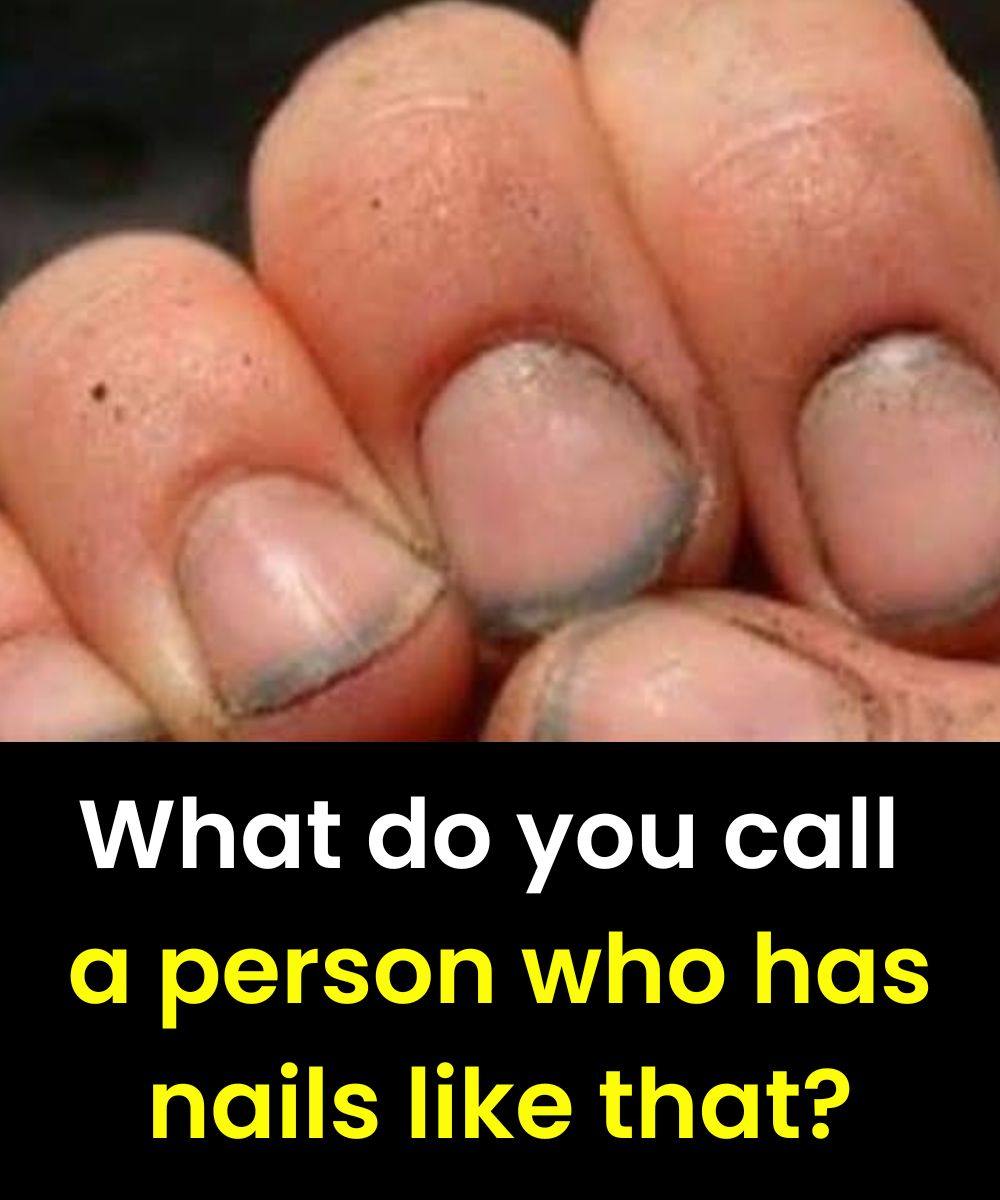
What do you call a person with nails like that

If you look closely at the image, you’ll notice fingernails with a bluish or grayish tint near the base and edges. Many people wonder what to call someone with nails like that. While it’s not a “name” for a person, this condition is commonly referred to as cyanosis when the nails appear blue due to reduced oxygen levels in the blood.

But before jumping to conclusions, it’s important to understand that nail color changes can happen for many reasons. Sometimes it’s temporary and harmless. Other times, it may be your body’s way of asking for attention.

Let’s explore what nails like this could mean and what you can do to support healthy, strong nails naturally.


Why Do Nails Turn Blue or Gray?

Healthy nails are usually pinkish because of the blood flowing underneath them. When they turn blue, purple, or gray, it often signals one of the following:

1. Poor Circulation

When blood flow to the fingers is reduced, oxygen delivery decreases, and nails may appear bluish. Cold weather can temporarily cause this effect.

2. Low Oxygen Levels

Medical conditions affecting the lungs or heart can sometimes lead to cyanosis, where the body isn’t getting enough oxygen.

3. Exposure to Chemicals

Frequent contact with harsh cleaning products or chemicals may stain or discolor nails.

4. Heavy Metal Exposure

Long-term exposure to certain metals can cause nail discoloration.

5. Nutritional Deficiencies

Deficiencies in iron, vitamin B12, or other nutrients may affect nail color and strength.

If discoloration is persistent, painful, or accompanied by symptoms like shortness of breath or dizziness, medical evaluation is important.


A Nourishing “Healthy Nail Boost” Recipe

While nail color changes may have medical causes, nutrition plays a huge role in nail strength, growth, and overall appearance. Here’s a wholesome, nutrient-rich smoothie recipe designed to support healthy blood circulation and nail strength.

🥬 Iron & Oxygen Boost Green Smoothie

Ingredients:

  • 1 cup fresh spinach

  • ½ avocado

  • 1 small beetroot (raw or lightly steamed)

  • 1 tablespoon chia seeds

  • 1 tablespoon pumpkin seeds

  • Juice of ½ lemon

  • 1 cup coconut water

  • 1 teaspoon honey (optional)


Why These Ingredients Help

Spinach
Rich in iron and folate, spinach helps support red blood cell production and oxygen transport in the body.

Beetroot
Beets contain nitrates that improve blood circulation and oxygen delivery, which may help keep nails looking pink and healthy.

Pumpkin Seeds
Packed with zinc, which is essential for nail growth and repair.

Chia Seeds
Loaded with omega-3 fatty acids that improve circulation and reduce inflammation.

Avocado
Provides healthy fats and vitamin E to nourish skin and nails from within.

Lemon Juice
Enhances iron absorption from plant-based foods.


Instructions:

  1. Wash all produce thoroughly.

  2. Chop the beetroot into small pieces for easier blending.

  3. Add spinach, avocado, beetroot, chia seeds, pumpkin seeds, lemon juice, and coconut water into a blender.

  4. Blend until smooth and creamy.

  5. Taste and add honey if desired.

  6. Serve immediately for maximum nutrient benefits.

Drink this smoothie 3–4 times a week to support circulation and nail health.


Additional Tips for Healthy Nails

💧 Stay Hydrated

Dehydration can make nails brittle and dull. Aim for at least 6–8 glasses of water daily.

🥩 Eat Iron-Rich Foods

If iron deficiency is suspected, include lentils, beans, red meat (if you eat it), and leafy greens in your diet.

🌰 Add Vitamin B12

Low B12 levels can affect nail color. Eggs, dairy, fish, and fortified cereals are good sources.

🧴 Protect Your Hands

Wear gloves when using harsh chemicals or washing dishes frequently.

❄️ Keep Hands Warm

Cold temperatures can temporarily cause bluish nails due to restricted blood flow.


When to See a Doctor

While nutrition helps support overall health, bluish nails should not be ignored if they are:

  • Persistent

  • Accompanied by chest pain

  • Linked with breathing difficulties

  • Causing numbness or tingling

These may indicate underlying heart or lung conditions that need medical care.


Final Thoughts

So, what do you call a person who has nails like that? Medically speaking, it may indicate cyanosis—a sign that oxygen levels in the blood are low. However, temporary discoloration can also be caused by cold weather, poor circulation, or external staining.

Your nails are more than just a cosmetic feature—they’re tiny windows into your overall health. Paying attention to their color, texture, and strength can help you detect early signs of imbalance.

Supporting your body with nutrient-rich foods, staying hydrated, and protecting your hands can go a long way toward maintaining healthy, naturally pink nails.

Sad news for drivers over 70: soon they will no longer be able to

Here’s the real situation behind the recent “sad news for drivers over 70” stories going around — and the TL;DR is: senior drivers are not being outright banned from driving simply because of their age, but there *are new proposals and changes aimed at road safety that could affect how those aged 70 and above retain their licences. Here’s a detailed breakdown 👇

📉 What’s Actually Happening?
🇬🇧 United Kingdom – New Road Safety Strategy (2026)

The UK government has proposed changes as part of a broader road safety strategy — the first in more than a decade.

These proposals include mandatory eyesight tests once drivers reach 70, and possibly additional checks (like cognitive screening) in the future. If drivers fail these tests, they could lose their ability to keep their licence.

👉 The goal is to reduce road deaths and serious injuries — older drivers account for a significant proportion of severe collisions, especially in the 70+ age group.

📌 Key Points of the Proposed Rules
👁️ Mandatory Vision Testing

Drivers aged 70+ may require regular vision tests to renew their licence.

Failing those tests — e.g., not meeting minimum eyesight standards — could mean the licence isn’t renewed.

🧠 Cognitive Assessments (Possible Future Steps)

While not yet confirmed as law, there is discussion about adding mental ability checks or other assessments to ensure safety.

📆 More Frequent Renewals

Instead of long licence cycles, older drivers may need to renew more often so authorities can monitor changes in fitness to drive. This might include driving tests or medical check-ins for some individuals.

❗ What Isn’t Happening
❌ No blanket ban at age 70

There is no law anywhere that automatically removes driving licences from all people simply because they’re 70. Age alone is not a reason to revoke a licence.

❌ No nationwide U.S. requirement for mandatory tests

In countries like the United States, rumours have circulated online claiming that all drivers 70+ must take frequent tests — those are misinformation. There’s no federal law doing that.
Some states have specific requirements (like shorter renewal cycles), but nothing as dramatic as an automatic ban based solely on age.

🤔 Why These Changes Are Being Discussed

Proponents of stronger oversight for older drivers point to factors such as:

Age-related vision decline, slower reaction times, or health conditions that can impair driving.

Safety statistics showing higher proportions of severe collisions among older drivers in some regions.

However, experts also stress that many older people remain safe drivers, and age by itself doesn’t determine driving ability.

🧠 A Balanced Perspective

🚗 Driving ability varies widely from person to person.
Some 70+ drivers may still be excellent drivers with perfect vision and cognitive function — and changes are meant to focus on safety, not discrimination.

📊 Most proposals aim to strike a balance:

Protect road users

Preserve independence for capable seniors

Use objective tests rather than age alone

🧑‍⚖️ Bottom Line

Drivers over 70 are not universally banned from driving.

New proposals (especially in the UK) may require vision tests and stricter renewals, and failing those could result in losing a licence.

Misinformation about forced mass licence revocations in other countries, like the U.S. or Philippines, has been debunked by official agencies.

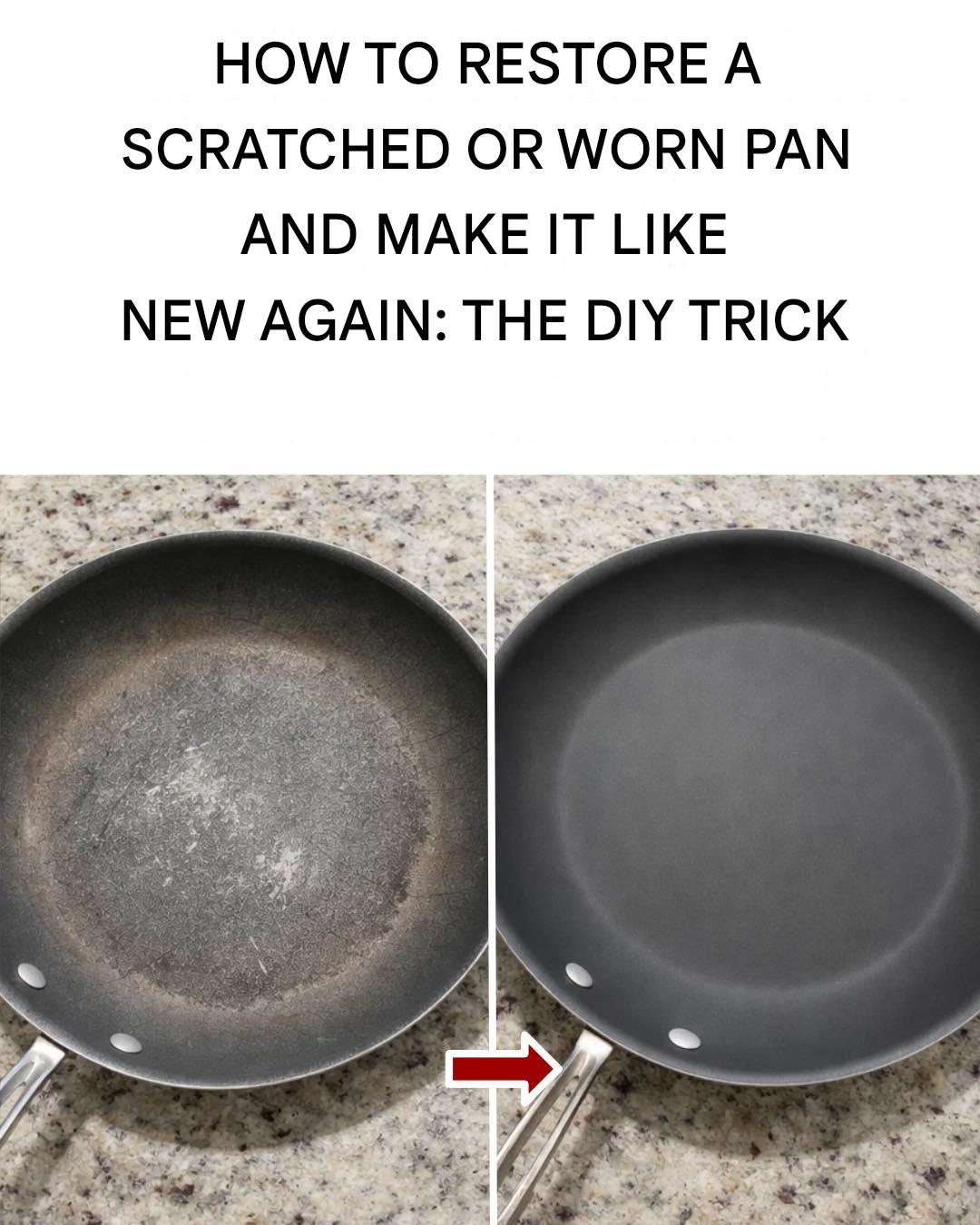
3 tricks to polish burnt pans and make them look like new again

Burnt pans happen to everyone. Whether you left rice on the stove a little too long or forgot about a simmering sauce, those blackened stains can feel impossible to remove. The good news? You don’t need harsh chemicals or expensive cleaners. With a few simple household ingredients and the right technique, you can restore your cookware and make it shine again.

Here are three powerful tricks to polish burnt pans and make them look like new again.

1. Baking Soda and Vinegar Deep-Clean Method
4

This classic combination works wonders because baking soda is mildly abrasive while vinegar helps break down stubborn grease and burnt residue.

What You’ll Need:

1 cup white vinegar

2–3 tablespoons baking soda

Water

Non-scratch sponge or scrubber

Step-by-Step Instructions:

Add Vinegar and Water
Pour equal parts vinegar and water into the burnt pan until the stained area is fully covered.

Bring to a Boil
Place the pan on the stove and bring the mixture to a gentle boil. Let it simmer for 5–10 minutes. This helps loosen burnt food.

Remove from Heat and Add Baking Soda
Turn off the heat and carefully add baking soda. It will fizz — that’s normal and helps lift grime.

Let It Sit
Allow the pan to cool for 10–15 minutes.

Scrub Gently
Use a sponge to scrub away the loosened residue. Most of the burnt layer should come off easily.

Rinse and Dry
Wash with dish soap, rinse thoroughly, and dry immediately to prevent water spots.

This method works especially well on stainless steel and aluminum pans.

2. The Salt and Lemon Polishing Trick
4

If your pan has light burn marks or dull discoloration, this natural polishing trick is perfect. Lemon’s acidity cuts through grease, while salt acts as a gentle scrub.

What You’ll Need:

1 fresh lemon

2 tablespoons coarse salt

Warm water

Soft cloth

Step-by-Step Instructions:

Sprinkle Salt Generously
Cover the burnt area with coarse salt.

Cut the Lemon in Half
Use one half as a scrubber.

Scrub in Circular Motions
Press firmly and scrub over the salt. The lemon juice will mix with the salt to create a natural abrasive paste.

Let It Rest
Allow the mixture to sit for 5–10 minutes to break down stains.

Rinse and Polish
Rinse with warm water and wipe dry with a soft cloth for a polished finish.

This trick not only removes stains but also leaves your pan smelling fresh and looking brighter.

3. Cream of Tartar and Water Paste
4

Cream of tartar may not be the first thing you think of for cleaning, but it’s incredibly effective for removing burnt spots and restoring shine.

What You’ll Need:

2 tablespoons cream of tartar

A few drops of water

Soft sponge or cloth

Step-by-Step Instructions:

Create a Thick Paste
Mix cream of tartar with a small amount of water until you get a paste-like consistency.

Apply to Burnt Areas
Spread the paste evenly over the stained sections.

Let It Sit Overnight
For tough burns, allow the paste to sit for several hours or overnight.

Scrub Gently
Use a soft sponge to scrub away the loosened residue.

Rinse and Buff
Wash thoroughly and buff dry for a renewed shine.

This method works beautifully for stainless steel and enamel cookware.

Extra Tips to Keep Your Pans Looking New

Avoid Steel Wool on Non-Stick Pans
It can damage the coating permanently.

Dry Immediately After Washing
Water spots and mineral deposits can dull shine.

Use Medium Heat When Cooking
High heat is a common cause of burnt buildup.

Clean Soon After Use
The longer burnt food sits, the harder it is to remove.

Final Thoughts

Burnt pans don’t have to mean ruined cookware. With baking soda and vinegar for deep cleaning, lemon and salt for natural polishing, and cream of tartar for stubborn stains, you can bring even heavily scorched pans back to life.

The best part? These methods use simple, affordable ingredients you probably already have at home. A little patience and gentle scrubbing can transform your dull, blackened pan into something that looks almost brand new.

What to Eat to Reduce Nail Ridges A Nutrition Guide for Healthier Nails

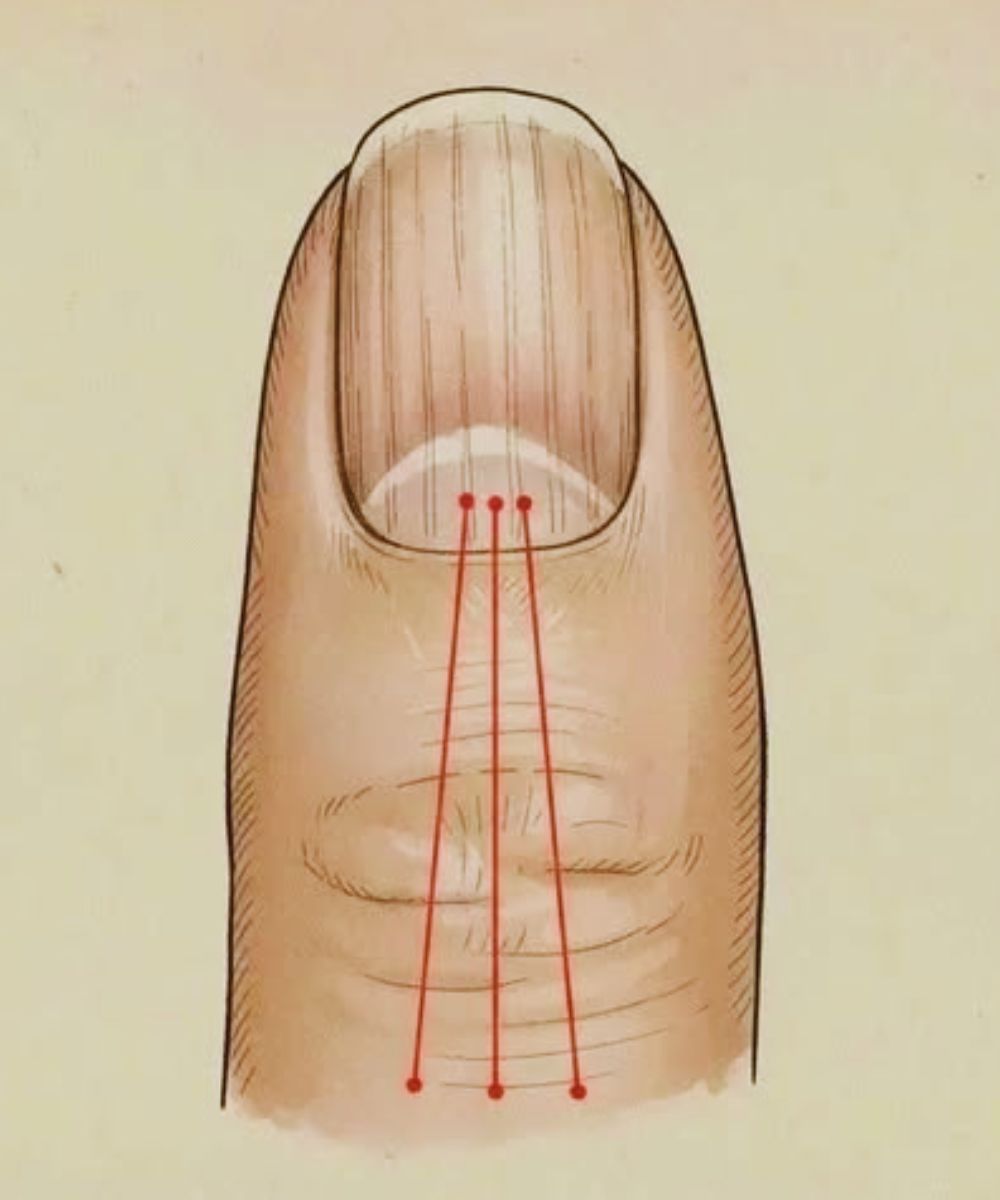
Nail ridges are common, especially as we age. Vertical ridges (running from cuticle to tip) are usually harmless and often linked to aging or mild nutrient deficiencies. Horizontal ridges (also called Beau’s lines) may signal illness, stress, or more serious nutritional gaps. While nail texture can’t change overnight, the right diet can significantly improve nail strength, smoothness, and overall appearance over time.

If you’ve noticed rough, brittle, or ridged nails, here’s a detailed nutrition guide — plus a nourishing recipe — to help support healthier nails naturally.


Key Nutrients That Help Reduce Nail Ridges

1. Biotin (Vitamin B7)

Biotin supports keratin production — the protein that makes up your nails. Low biotin levels can lead to brittle, ridged nails.

Best food sources:

  • Eggs (especially yolks)

  • Almonds

  • Walnuts

  • Sweet potatoes

  • Spinach


2. Iron

Iron deficiency is one of the most common causes of nail abnormalities, including ridges and spoon-shaped nails.

Best food sources:

  • Lean red meat

  • Lentils

  • Chickpeas

  • Spinach

  • Pumpkin seeds

Pair iron-rich foods with vitamin C (like lemon or oranges) to improve absorption.


3. Zinc

Zinc supports nail growth and repair. Deficiency may cause white spots and ridging.

Best food sources:

  • Pumpkin seeds

  • Cashews

  • Chickpeas

  • Yogurt

  • Whole grains


4. Protein

Since nails are made of keratin, adequate protein intake is essential.

Best sources:

  • Chicken

  • Fish

  • Eggs

  • Greek yogurt

  • Beans and legumes


5. Omega-3 Fatty Acids

Omega-3s help keep nails hydrated and reduce brittleness.

Best food sources:

  • Fatty fish like salmon

  • Chia seeds

  • Flaxseeds

  • Walnuts


6. Vitamin A & Vitamin E

These vitamins support healthy nail growth and protect against dryness and damage.

Sources:

  • Carrots

  • Sweet potatoes

  • Avocados

  • Sunflower seeds

  • Almonds


Hydration Matters Too

Dehydration can make nail ridges appear worse. Aim for at least 6–8 glasses of water daily. Herbal teas and water-rich fruits like cucumber and watermelon also help.


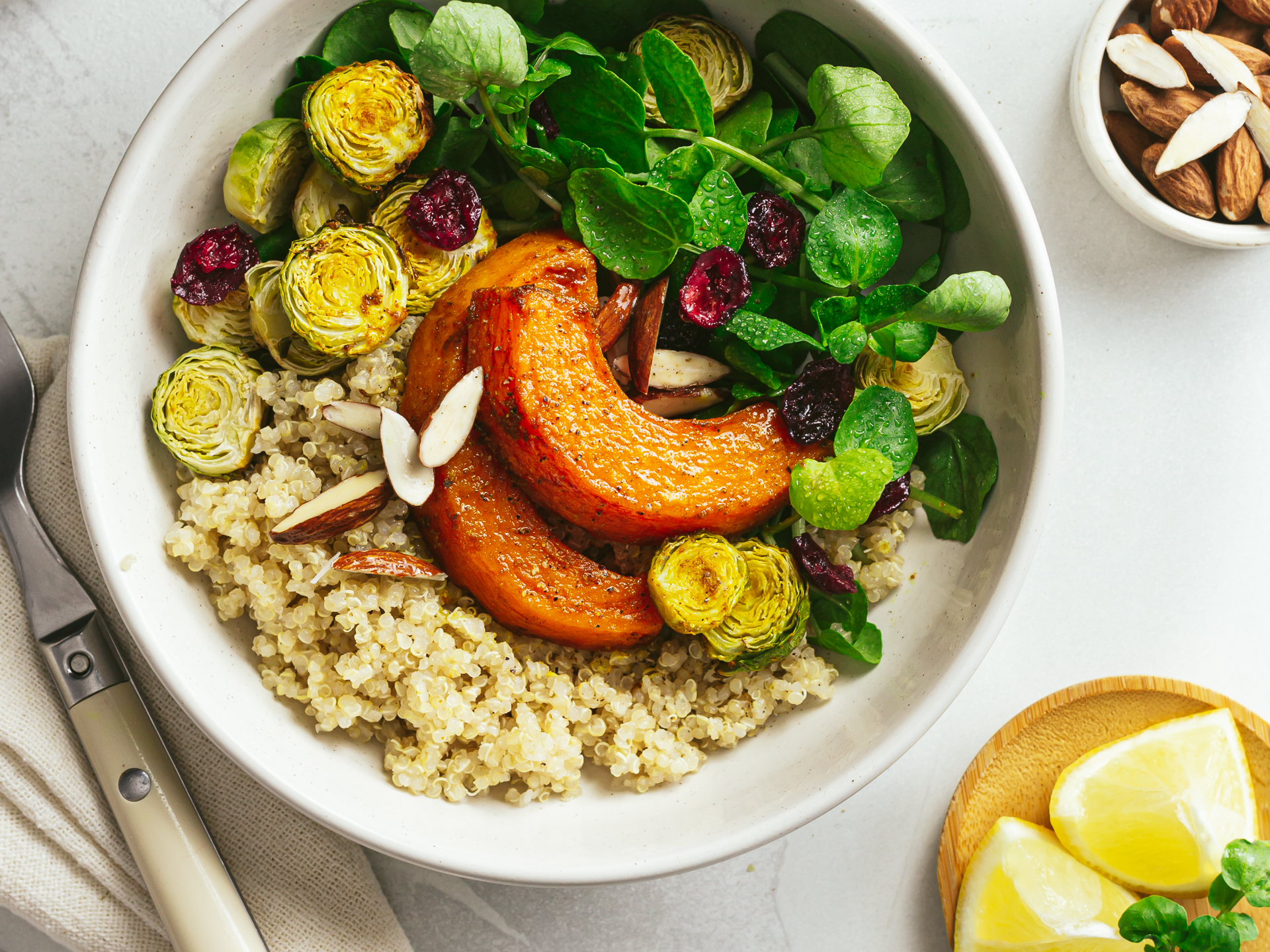
Nail-Strengthening Power Bowl Recipe

This balanced meal includes biotin, iron, zinc, protein, and omega-3s — everything your nails need to thrive.

https://img.taste.com.au/geuYvSY5/taste/2016/11/quinoa-salad-with-salmon-63050-1.jpeg
https://cdn.prod.website-files.com/677ee1765e5a55f75e3c211b/67eadc79c6de090132700781_salmon-avocado-power-bowl.jpeg
https://cdn.foodaciously.com/static/recipes/a84dbe23-7e22-4784-b019-86db5bfd541b/roasted-pumpkin-quinoa-salad-recipe-1-73e8bf94442653719323d732dd50f8dc.jpg
4

Salmon & Spinach Nail-Strength Power Bowl

Ingredients (Serves 2)

  • 1 cup cooked quinoa

  • 2 salmon fillets (grilled or baked)

  • 1 cup fresh spinach

  • ½ avocado, sliced

  • 1 tablespoon pumpkin seeds

  • 1 tablespoon chia seeds

  • ½ cup roasted sweet potatoes

  • ¼ cup chickpeas (cooked)

  • Juice of ½ lemon

  • 1 tablespoon olive oil

  • Salt and black pepper to taste


Instructions

Step 1: Cook the quinoa
Rinse quinoa thoroughly. Cook according to package instructions (usually 1 cup quinoa to 2 cups water). Fluff and let cool slightly.

Step 2: Prepare the salmon
Season salmon with salt, pepper, and a drizzle of olive oil. Bake at 180°C (350°F) for 12–15 minutes or grill until cooked through.

Step 3: Roast the sweet potatoes
Dice sweet potatoes, toss with olive oil, and roast at 200°C (400°F) for 20–25 minutes until tender.

Step 4: Assemble the bowl
Divide quinoa into two bowls. Top with spinach, roasted sweet potatoes, chickpeas, avocado slices, and salmon.

Step 5: Add the finishing touch
Sprinkle pumpkin seeds and chia seeds on top. Drizzle with olive oil and fresh lemon juice.

Serve immediately and enjoy!


Why This Recipe Works for Nail Health

  • Salmon provides omega-3s and high-quality protein.

  • Spinach and chickpeas deliver iron and zinc.

  • Pumpkin seeds are rich in zinc and magnesium.

  • Chia seeds offer omega-3s and fiber.

  • Avocado and olive oil provide vitamin E and healthy fats.

  • Quinoa contains protein and biotin-supporting B vitamins.

Eating meals like this 3–4 times a week can gradually improve nail texture and strength.


Additional Daily Snack Ideas for Smooth Nails

  • Greek yogurt with almonds

  • Boiled eggs with a sprinkle of salt

  • A handful of walnuts

  • Apple slices with peanut butter

  • Carrot sticks with hummus


When to See a Doctor

If your nail ridges are deep, sudden, or accompanied by hair loss, fatigue, or pale skin, consult a healthcare professional. Blood tests can identify deficiencies such as iron-deficiency anemia or thyroid issues.


Final Thoughts

Nail ridges are often a sign that your body needs better nourishment. By focusing on biotin, iron, zinc, protein, omega-3s, and proper hydration, you can support smoother, stronger nails from within.

Consistency is key. Healthy nails grow slowly — about 3 millimeters per month — so give your body at least 2–3 months of improved nutrition to see visible results.

Why Do We Dream of Those Who Have Passed Away

Dreams have fascinated humanity for centuries, especially those in which we see loved ones who have passed away. These dreams can feel incredibly real—so vivid that we wake up emotional, comforted, or sometimes unsettled. But why do we dream of people who are no longer alive? While there isn’t a single explanation, psychology, neuroscience, and even cultural beliefs offer meaningful insights into this deeply personal experience.

1. Dreams as a Part of the Grieving Process

One of the most common reasons we dream about deceased loved ones is grief. When someone important to us dies, our brain doesn’t instantly adjust to their absence. During sleep—particularly in the REM (Rapid Eye Movement) stage—our brain processes emotions and memories.

Dreaming about someone who has passed can be part of the natural healing process. These dreams may:

  • Help us cope with loss

  • Allow us to “reconnect” emotionally

  • Provide a sense of closure

  • Reduce feelings of guilt or regret

Sometimes the dream feels like a final goodbye we never had. Other times, it feels like reassurance that the bond we shared still exists in some way.

2. Memory and Emotional Processing

Our brains are constantly organizing and storing memories. When someone significant dies, the emotional intensity connected to that person remains strong. Because dreams often draw from emotionally charged memories, it’s natural for deceased loved ones to appear in them.

Interestingly, the brain doesn’t clearly distinguish between “past” and “present” relationships during dreams. It simply reactivates neural patterns linked to that person—how they looked, spoke, or made us feel. That’s why dream encounters can seem incredibly realistic.

You may notice these dreams occur:

  • On anniversaries of their death

  • Around birthdays or holidays

  • During stressful periods

  • When facing major life changes

Your mind may be revisiting that person because they once played a guiding or supportive role in your life.

3. Unresolved Feelings

Not all dreams about the deceased are peaceful. Some may involve arguments, unfinished conversations, or confusing emotions. This often reflects unresolved feelings.

Perhaps there were things left unsaid. Maybe you’re still struggling with guilt, anger, or longing. Dreams create a safe psychological space to explore those emotions. Your subconscious mind may be working through unfinished emotional business.

In many cases, once these feelings are processed, the dreams become less frequent or more comforting.

4. Comfort and Attachment

Humans form deep attachments. When someone we love dies, that attachment doesn’t instantly disappear. Dreams can serve as a temporary continuation of that bond.

Research suggests that many bereaved individuals report “visitation dreams,” which feel especially vivid and peaceful. In these dreams, the deceased may appear healthy, smiling, or offering reassurance. Whether viewed scientifically or spiritually, these dreams often bring comfort rather than fear.

The emotional tone of the dream matters more than the specific details. If you wake feeling calm or supported, your brain may be helping you maintain a healthy internal connection with that person.

5. Cultural and Spiritual Interpretations

Across cultures, dreams of the deceased carry special meaning. Some traditions believe these dreams are spiritual visits, messages, or signs. Others see them as reflections of the soul’s ongoing journey.

While science explains dreams as neurological activity, cultural beliefs shape how we interpret them. What matters most is how the dream feels to you. If it brings peace, many find comfort in viewing it as meaningful—regardless of the explanation.

6. Stress and Life Transitions

Sometimes we dream of those who have passed during challenging times. If you’re facing a difficult decision, experiencing loneliness, or navigating change, your mind may “call upon” the memory of someone who once provided strength or wisdom.

For example:

  • Starting a new job

  • Moving to a new home

  • Becoming a parent

  • Experiencing illness

  • Feeling overwhelmed

In these moments, your brain may symbolically bring back someone who represented stability, love, or guidance.

7. Are These Dreams Normal?

Yes—completely normal.

Studies show that a large percentage of people experience dreams of deceased loved ones at some point in their lives. These dreams are not signs of mental illness or something “wrong.” They are a common part of being human and having loved deeply.

If the dreams are distressing or cause ongoing anxiety, speaking with a counselor can help. But in most cases, they are a healthy expression of memory and emotion.

8. Why They Feel So Real

Dreams of deceased loved ones often feel more vivid than ordinary dreams. This is because strong emotions activate the amygdala, the brain’s emotional center, during REM sleep. When emotional intensity is high, dream imagery becomes sharper and more memorable.

That’s why you may remember these dreams years later—the emotional imprint is powerful.

9. What Should You Do After Such a Dream?

There’s no “right” response, but many people find it helpful to:

  • Write the dream down

  • Reflect on the emotions it triggered

  • Talk about it with someone you trust

  • Consider what the person represented in your life

Rather than focusing on whether the dream was literal or symbolic, focus on what it meant to you emotionally.

Final Thoughts

Dreaming of someone who has passed away is one of the most profound experiences we can have during sleep. These dreams often reflect love, memory, attachment, and the deep imprint certain people leave on our lives.

They remind us that while physical presence may be gone, emotional connections remain woven into who we are. Whether you interpret these dreams as psychological processing, spiritual connection, or simply the mind’s natural activity, they are a testament to the powerful bonds we form.

The Ultimate Air Fryer Cheese Toast: Crispy, Gooey, & Effortless

There’s something timeless and deeply comforting about cheese on toast. It’s simple, nostalgic, and endlessly satisfying. But when you make it in an air fryer, it transforms into something truly next-level—perfectly crisp on the outside, irresistibly gooey on the inside, and ready in minutes with almost no effort. The air fryer circulates hot air evenly around the bread, creating a golden crust while melting the cheese into a bubbly, stretchy layer of goodness. No flipping, no soggy bottoms, no complicated steps. Just pure comfort food done right.

Whether you need a quick breakfast, an afternoon snack, or a late-night bite, this Ultimate Air Fryer Cheese Toast recipe will become your go-to. It’s budget-friendly, customizable, and absolutely foolproof.

Why You’ll Love This Recipe

  • Crispy texture without burning the edges

  • Perfectly melted cheese every time

  • Ready in under 10 minutes

  • Minimal ingredients

  • Easy to customize with your favorite toppings

The air fryer gives you that bakery-style crunch with less mess and faster cooking than a traditional oven or stovetop method.

Ingredients

  • 2 slices thick-cut bread (white, sourdough, or whole wheat)

  • 1–2 tablespoons softened butter

  • 1 cup shredded cheese (cheddar, mozzarella, or a blend)

  • Pinch of salt (optional)

  • Pinch of black pepper (optional)

  • Dried oregano or chili flakes (optional)

Choosing the Right Ingredients

Bread

Thicker slices work best because they hold up to the cheese and heat without becoming too crisp too quickly. Sourdough adds tangy flavor, while white bread gives you that classic soft crunch contrast.

Cheese

Sharp cheddar delivers bold flavor. Mozzarella gives you that irresistible stretch. A mix of both creates the perfect balance of taste and texture. You can also experiment with gouda, Monterey Jack, or even a touch of Parmesan for extra depth.

Step-by-Step Instructions

Step 1: Preheat the Air Fryer

Set your air fryer to 180°C (350°F) and preheat for about 2–3 minutes. This ensures even cooking from the start.

Step 2: Butter the Bread

Spread a thin, even layer of softened butter on one side of each slice of bread. The butter helps create that golden, crispy texture.

Place the bread butter-side down on a clean surface.

Step 3: Add the Cheese

Generously sprinkle shredded cheese over the top side of each slice. Make sure to cover the surface evenly, all the way to the edges. This ensures full coverage and maximum melt.

Add optional seasonings like black pepper, oregano, or chili flakes if you like a little extra flavor.

Step 4: Air Fry

Place the slices in the air fryer basket in a single layer. Avoid overlapping.

Cook at 180°C (350°F) for 4–6 minutes, or until the cheese is fully melted and bubbling, and the edges of the bread are golden brown.

Check around the 4-minute mark to prevent over-browning.

Step 5: Serve Immediately

Carefully remove the toast using tongs. Let it cool for 1 minute (the cheese will be very hot), then slice and enjoy.

Tips for Perfect Cheese Toast

  • Don’t overload the cheese or it may slide off while melting.

  • Secure lightweight cheese slices with a toothpick if your air fryer fan is strong.

  • Add toppings halfway through cooking if they are delicate.

  • Use parchment paper with holes (air fryer-safe) to prevent sticking while still allowing airflow.

Delicious Variations

Garlic Cheese Toast

Mix a little minced garlic into the butter before spreading it on the bread for a bold flavor upgrade.

Tomato Melt

Add thin slices of tomato on top of the cheese. Sprinkle lightly with salt and cook as usual.

Spicy Jalapeño Toast

Top with sliced jalapeños and a dash of chili flakes for a spicy kick.

Breakfast Cheese Toast

Crack a small egg into a slight indent in the cheese and air fry carefully for a protein-packed breakfast version.

Pizza-Style Toast

Spread a thin layer of marinara sauce before adding cheese. Top with olives or pepperoni for a mini pizza vibe.

Storage & Reheating

Cheese toast is best enjoyed fresh, but if you have leftovers:

  • Store in an airtight container in the fridge for up to 2 days.

  • Reheat in the air fryer at 160°C (320°F) for 2–3 minutes to restore crispness.

  • Avoid microwaving, as it can make the bread soggy.

Why the Air Fryer Method Works

Unlike a pan, which only heats from below, the air fryer circulates hot air around the entire slice. This means:

  • Even browning

  • Faster melting

  • Crispier edges

  • No flipping required

It gives you oven-quality results in half the time and with less energy use.

Nutritional Insight (Approximate Per Slice)

  • Calories: 220–300 (depending on cheese and bread)

  • Protein: 8–12g

  • Carbohydrates: 20–25g

  • Fat: 12–18g

You can lighten it up by using reduced-fat cheese or whole-grain bread.

Final Thoughts

The Ultimate Air Fryer Cheese Toast proves that simple recipes can still feel special. With just a few everyday ingredients and a few minutes of cooking time, you get a snack that’s crispy, gooey, comforting, and endlessly customizable.

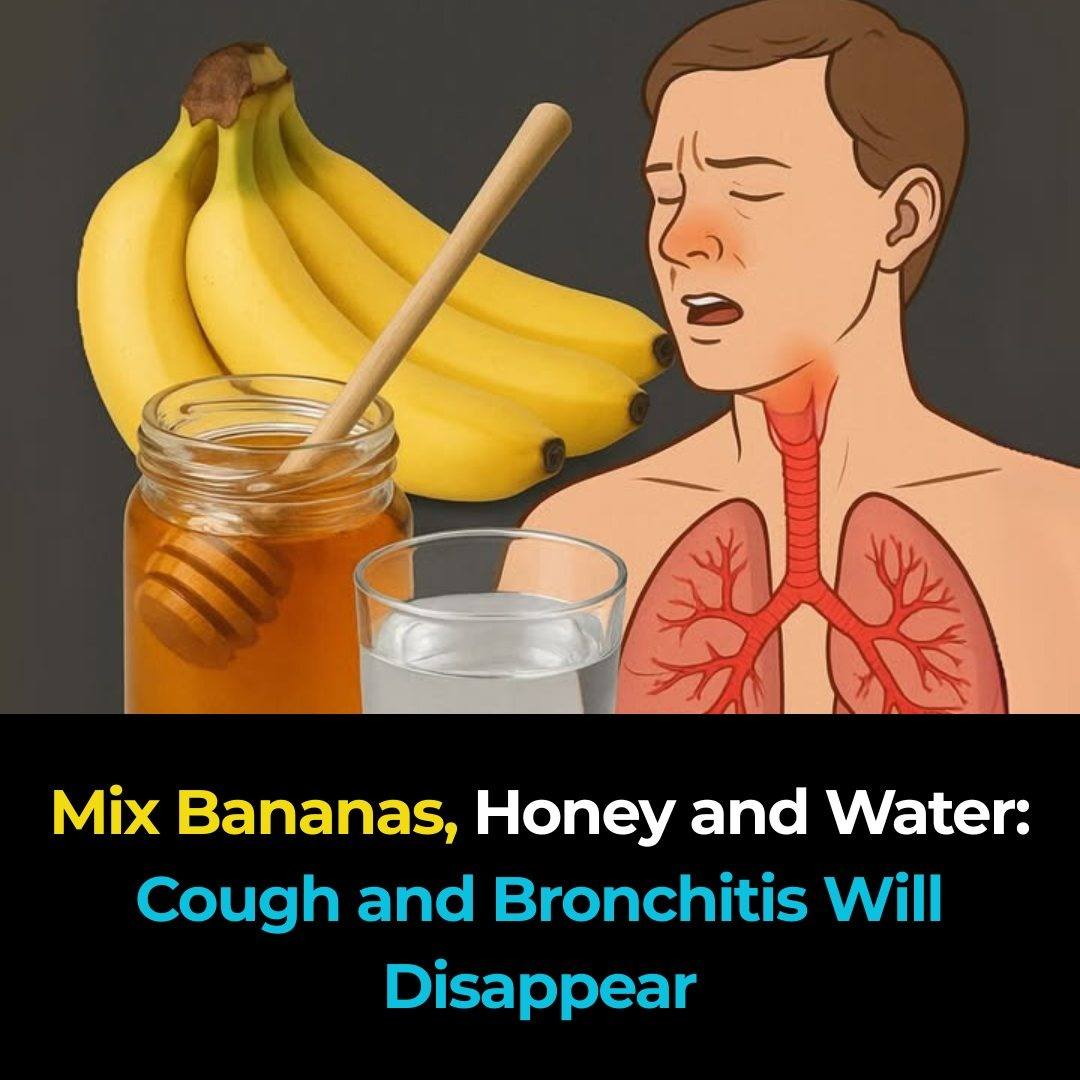
Mix Bananas, Honey and Water: Cough and Bronchitis Will Disappear

When cold weather hits or seasonal viruses start circulating, coughs and chest congestion quickly follow. Many people look for natural remedies before reaching for over-the-counter syrups. One simple and comforting option combines three humble ingredients: bananas, honey, and water. While this mixture is not a miracle cure and does not replace medical treatment, it can help soothe throat irritation, calm coughing, and provide gentle relief during mild respiratory discomfort.

Let’s explore why this mixture works, how to prepare it properly, and when to seek medical advice.

Why Bananas, Honey, and Water?

1. Bananas: Gentle and Soothing

Bananas are soft, easy to digest, and rich in nutrients like potassium and vitamin B6. When mashed and warmed, bananas create a smooth texture that coats the throat. This can reduce irritation that triggers coughing. Their natural sweetness also makes the remedy pleasant, especially for children (over one year old).

Bananas don’t “cure” bronchitis, but their soothing consistency may help reduce throat discomfort associated with coughing fits.

2. Honey: Nature’s Traditional Cough Soother

Honey has long been used in traditional medicine for coughs. Modern research supports its ability to soothe the throat and reduce nighttime coughing in children and adults. Honey has natural antimicrobial properties and creates a protective layer over irritated throat tissue.

The World Health Organization and other health authorities recognize honey as a simple home remedy for mild cough relief. However, honey must never be given to infants under one year old due to the risk of botulism.

3. Warm Water: Hydration and Mucus Support

Staying hydrated is one of the most important steps when dealing with cough or bronchitis. Warm water helps thin mucus, making it easier to clear from the chest. When combined with banana and honey, it forms a comforting drink that supports hydration and throat relief at the same time.

Banana-Honey Cough Remedy Recipe

Ingredients:

  • 2 ripe bananas

  • 2 tablespoons raw honey

  • 1 cup hot (not boiling) water

Instructions:

  1. Peel the bananas and mash them thoroughly with a fork until smooth. Avoid using metal if possible, as some believe it may affect the banana’s nutrients (though this is not scientifically proven).

  2. Heat water until hot but not boiling. Boiling water may reduce some of honey’s beneficial properties.

  3. Pour the hot water over the mashed bananas and stir well.

  4. Let the mixture sit for about 10 minutes to soften further.

  5. Add honey and mix thoroughly.

  6. Strain if desired for a smoother drink, or enjoy as is.

How to Use:

Drink warm, 2–3 times daily, especially before bedtime to help reduce nighttime coughing.

Can It Help Bronchitis?

Bronchitis is inflammation of the bronchial tubes, often caused by viruses. It can produce persistent coughing, mucus production, chest discomfort, and fatigue. While bananas and honey cannot eliminate bronchitis, they can help manage symptoms such as throat irritation and dry cough.

If bronchitis is bacterial, a doctor may prescribe antibiotics. Viral bronchitis typically improves with rest, fluids, and supportive care. The banana-honey mixture may serve as a complementary comfort remedy during recovery.

Additional Tips for Managing Cough and Bronchitis

  • Drink plenty of fluids throughout the day.

  • Use a humidifier to keep air moist.

  • Rest as much as possible.

  • Avoid smoke and strong odors.

  • Consider warm soups and herbal teas for added comfort.

If symptoms last longer than three weeks, include high fever, shortness of breath, chest pain, or coughing up blood, consult a healthcare professional immediately.

Important Safety Notes

  • Do not give honey to babies under one year old.

  • Diabetics should monitor honey intake carefully.

  • Persistent or worsening cough requires medical evaluation.

  • This remedy supports comfort but does not replace medical treatment.

Final Thoughts

The combination of bananas, honey, and warm water is simple, affordable, and comforting. While it will not magically make cough or bronchitis “disappear,” it may provide soothing relief for irritated throats and mild cough symptoms. Natural remedies work best when combined with proper hydration, rest, and medical guidance when needed.