
7 Reasons You Should Be Adding Sweet Potatoes to Your Diet

Sweet potatoes are more than just a colorful side dish. Naturally sweet, rich in nutrients, and incredibly versatile, they deserve a regular place in your kitchen. Whether roasted, mashed, baked, or blended into soups, sweet potatoes offer impressive health benefits while satisfying your taste buds. Here are seven compelling reasons to start adding sweet potatoes to your diet today — plus a simple, healthy recipe at the end.


1. Packed with Powerful Nutrients

Sweet potatoes are nutritional powerhouses. They’re especially rich in vitamin A (in the form of beta-carotene), which supports healthy vision, immune function, and skin health. One medium sweet potato can provide more than 100% of your daily vitamin A needs.

They also contain vitamin C, vitamin B6, potassium, and manganese. Potassium supports heart health and helps regulate blood pressure, while vitamin C boosts your immune system and promotes collagen production.


2. Excellent Source of Fiber

Fiber plays a crucial role in digestive health, and sweet potatoes are loaded with it. A single serving provides a significant amount of dietary fiber, helping to support regular digestion and prevent constipation.

Fiber also helps you feel fuller longer, which can assist with weight management. Including sweet potatoes in your meals may reduce cravings and overeating throughout the day.


3. Support for Blood Sugar Balance

Despite their sweet taste, sweet potatoes have a relatively moderate glycemic index compared to many refined carbohydrates. Their fiber content slows digestion and helps prevent sharp blood sugar spikes.

For individuals watching their blood sugar levels, sweet potatoes can be a better alternative to white bread, white rice, or processed snacks. When paired with protein and healthy fats, they become part of a balanced, blood sugar–friendly meal.


4. Rich in Antioxidants

Sweet potatoes, especially orange and purple varieties, are packed with antioxidants. Beta-carotene, anthocyanins (in purple sweet potatoes), and vitamin C help fight free radicals in the body.

Antioxidants reduce oxidative stress, which is linked to chronic conditions such as heart disease and certain cancers. By adding sweet potatoes to your diet, you’re giving your body natural protection against cellular damage.


5. Promote Heart Health

The combination of potassium, fiber, and antioxidants makes sweet potatoes heart-friendly. Potassium helps regulate blood pressure by balancing sodium levels in the body.

Fiber helps lower LDL (bad) cholesterol, reducing the risk of heart disease. Regularly including nutrient-rich whole foods like sweet potatoes can contribute to overall cardiovascular wellness.


6. Boost Immune Function

The high vitamin A and vitamin C content in sweet potatoes supports a strong immune system. Vitamin A helps maintain healthy mucous membranes in the respiratory and digestive tracts — your body’s first line of defense against pathogens.

Vitamin C enhances the production of white blood cells, helping your body fight infections more effectively. Especially during cold and flu season, sweet potatoes are a smart addition to your meals.


7. Incredibly Versatile and Delicious

Sweet potatoes can be used in countless recipes. They work beautifully in savory dishes like roasted vegetable bowls and soups, as well as in sweeter preparations like muffins and pies.

You can bake them whole, cube and roast them, mash them with herbs, blend them into smoothies, or even turn them into crispy fries. Their natural sweetness pairs well with spices like cinnamon, paprika, cumin, and rosemary.


Healthy Roasted Sweet Potato Recipe

Here’s a simple and delicious way to enjoy sweet potatoes at home.

Ingredients:

  • 2 large sweet potatoes

  • 2 tablespoons olive oil

  • 1 teaspoon paprika

  • ½ teaspoon garlic powder

  • ½ teaspoon black pepper

  • ½ teaspoon salt

  • Optional: pinch of cinnamon or chili flakes

Instructions:

  1. Preheat your oven to 400°F (200°C).

  2. Wash and peel the sweet potatoes (you can leave the skin on for extra fiber if desired).

  3. Cut into cubes about 1-inch in size for even cooking.

  4. Toss with olive oil in a large bowl until evenly coated.

  5. Add seasonings and mix well so the spices cover all pieces.

  6. Spread on a baking sheet in a single layer (avoid overcrowding to ensure crispiness).

  7. Roast for 25–30 minutes, flipping halfway through, until golden brown and tender inside.

Serve warm as a side dish, add to salads, or use in grain bowls with quinoa and grilled chicken.


Final Thoughts

Sweet potatoes are one of the most nutritious and versatile vegetables you can eat. From supporting your immune system and heart health to improving digestion and providing long-lasting energy, their benefits are impressive.

By incorporating sweet potatoes into your weekly meal plan, you’re choosing a whole food that nourishes your body while satisfying your taste buds. Try the simple roasted recipe above and experiment with different herbs and spices to keep things exciting.

5 Things Men Want From a Woman After 60 | Jorge Bucay

As we grow older, our priorities shift. The intensity and urgency of youth soften into something deeper, calmer, and more meaningful. According to the reflections often shared by Argentine psychotherapist and author Jorge Bucay, love after 60 is not about games, appearances, or proving anything. It is about authenticity, companionship, and emotional truth.

Men over 60 do not seek perfection. They seek peace. They do not crave drama. They crave depth. Here are five things men truly want from a woman after 60 — not from a place of immaturity, but from wisdom shaped by life experience.

1. Emotional Peace, Not Drama

After decades of responsibilities, careers, family challenges, and life’s inevitable disappointments, many men reach a stage where inner peace becomes a priority. They are no longer interested in power struggles or emotional turbulence.

A woman who communicates calmly, who listens without attacking, and who resolves conflict with maturity becomes deeply attractive. Emotional stability creates a safe space where both partners can relax and be themselves. At this stage in life, love should feel like coming home — not walking on eggshells.

Peace does not mean avoiding disagreements. It means handling them with respect. Men over 60 often value harmony more than being right.

2. Genuine Companionship

Loneliness can become more noticeable with age. Children grow up, careers slow down, and social circles shrink. What many men truly desire is companionship — someone to share daily life with.

This includes simple pleasures: morning coffee conversations, evening walks, traveling together, or even sitting quietly while reading. Companionship is not about constant excitement; it is about shared presence.

A woman who enjoys partnership — who sees “us” instead of only “me” — becomes incredibly meaningful. Mutual support, laughter, and shared routines create a bond that feels secure and fulfilling.

3. Respect and Appreciation

After 60, many men reflect on their lives — their achievements, mistakes, sacrifices, and lessons learned. Feeling respected for who they are, not just what they provide, matters deeply.

Respect does not mean admiration without limits. It means recognizing a man’s experiences, valuing his opinions, and acknowledging his efforts. Appreciation for small gestures — fixing something around the house, planning a dinner, offering help — strengthens emotional connection.

At this stage, ego battles are exhausting. Mutual respect becomes the foundation of love. A man who feels appreciated is more likely to give affection, loyalty, and kindness in return.

4. Emotional Intimacy Over Physical Perfection

While physical attraction never completely disappears, it changes. Wrinkles, gray hair, and slower movements are natural parts of aging. What replaces youthful obsession with appearance is emotional intimacy.

Men over 60 often long for deeper conversations — about life, fears, memories, dreams, even regrets. They want a partner who can open her heart and allow vulnerability.

Holding hands, meaningful eye contact, warm hugs — these gestures can carry more power than grand romantic displays. Emotional closeness creates a sense of being truly seen and understood.

In Bucay’s philosophy, love is a conscious choice. It is not possession, but connection. After 60, connection becomes the true source of passion.

5. Shared Growth and Positivity

Life after 60 is not an ending; it is another chapter. Many men want a partner who still sees possibilities — someone curious about life, open to learning, and willing to try new experiences.

This does not mean extreme adventures. It can mean learning a new hobby, traveling to a place never visited, joining a community group, or simply staying mentally engaged.

Positivity becomes magnetic. A woman who focuses on gratitude rather than constant complaints creates an uplifting atmosphere. Men at this stage often seek lightness — not denial of reality, but a balanced perspective.

A relationship built on encouragement and shared growth feels alive. It reminds both partners that aging does not mean shrinking; it means evolving.


A Different Kind of Love

Love after 60 is quieter, but deeper. It is less about proving worth and more about sharing it. According to the teachings of Jorge Bucay, true love respects individuality. It allows both people to remain whole while walking together.

Men in this stage of life are not searching for someone to complete them. They are searching for someone to accompany them — with honesty, kindness, and mutual respect.

In the end, what men want after 60 is simple yet profound:

  • Peace instead of chaos

  • Companionship instead of loneliness

  • Respect instead of competition

  • Emotional intimacy instead of superficial attraction

  • Shared growth instead of stagnation

These desires are not exclusive to men, of course. Many women want the same things. Aging strips away illusions and reveals what truly matters: connection, understanding, and a partnership rooted in authenticity.

After 60, love is not about starting over — it is about continuing life with someone who makes the journey lighter and more meaningful.

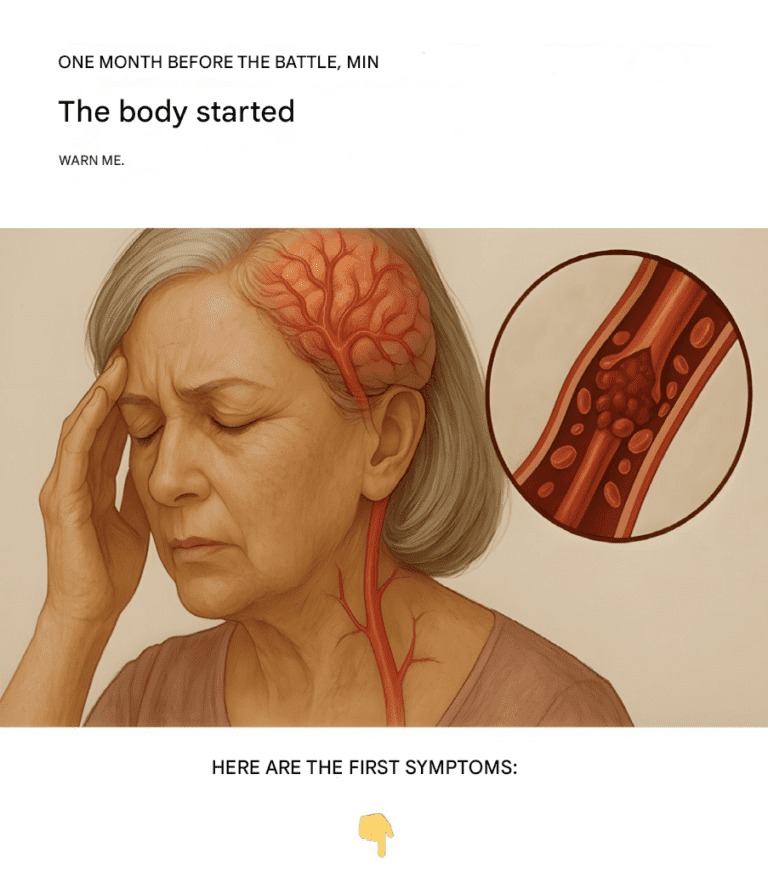
A month before my stroke, my body started warning me. These are the first symptoms

A month before a stroke happens, the body often whispers before it screams. Many people ignore the early warning signs because they seem mild, temporary, or unrelated. But just like a small crack in a wall signals deeper structural issues, these subtle symptoms may be the body’s way of asking for urgent attention. A stroke — medically known as a Stroke — occurs when blood flow to the brain is interrupted, either by a clot (ischemic stroke) or a burst blood vessel (hemorrhagic stroke). In many cases, the warning signs begin weeks before the major event.

One of the earliest symptoms people report is sudden weakness or numbness, especially on one side of the body. This may affect the face, arm, hand, or leg. You might notice your grip feels weaker, or one side of your face feels slightly numb when washing it. Sometimes it comes and goes, lasting only a few minutes. This can be a sign of a Transient Ischemic Attack, often called a “mini-stroke.” Though temporary, it is a serious red flag that a larger stroke may follow.

Another common early warning is unexplained dizziness or loss of balance. You may feel unsteady walking, as if the ground shifts beneath you. Climbing stairs may suddenly feel harder. Coordination problems — such as dropping objects more frequently or bumping into furniture — can also signal reduced blood flow to certain parts of the brain. These symptoms are often brushed off as fatigue or aging, but they should never be ignored.

Vision changes are also significant early clues. Some people experience blurred vision in one eye, double vision, or brief episodes of darkness. It might feel like a curtain partially closing over your sight. These episodes may last seconds or minutes and then disappear. Because they resolve quickly, many assume it’s eye strain. In reality, it can be reduced circulation to the brain’s visual centers.

Headaches that feel different from your usual headaches can also be a warning. A sudden, intense headache — especially if it feels like the “worst headache of your life” — can signal bleeding in the brain. However, even mild but unusual recurring headaches in the weeks leading up to a stroke deserve attention, particularly if accompanied by nausea, neck stiffness, or sensitivity to light.

Speech difficulties may develop gradually. You might struggle to find simple words or notice your speech becomes slightly slurred when tired. Family members may ask you to repeat yourself more often. Confusion, difficulty understanding conversations, or trouble concentrating can also appear. These changes are sometimes mistaken for stress or lack of sleep, but they may reflect impaired brain function.

Unexplained fatigue is another overlooked symptom. Feeling extremely tired despite adequate rest can occur when the brain is not receiving sufficient oxygen-rich blood. Some people describe a heavy, drained feeling in the weeks before their stroke. While fatigue alone does not confirm risk, combined with other symptoms it should prompt medical evaluation.

There may also be subtle emotional changes. Sudden irritability, anxiety, or mood swings can occur if certain brain areas are affected. In some cases, people feel a strange sense that “something isn’t right.” While this feeling is hard to describe medically, listening to your body’s instincts can be life-saving.

High blood pressure is the leading risk factor for stroke. According to organizations like the American Heart Association, uncontrolled hypertension significantly increases stroke risk. Unfortunately, high blood pressure often has no symptoms, which is why it is called the “silent killer.” Regular monitoring is essential, especially after age 40.

Other risk factors include diabetes, smoking, high cholesterol, obesity, and a sedentary lifestyle. Heart rhythm disorders such as Atrial Fibrillation also increase stroke risk because they can cause blood clots to form and travel to the brain.

If you notice any warning signs, remember the FAST method:

  • Face drooping

  • Arm weakness

  • Speech difficulty

  • Time to call emergency services

Even if symptoms disappear, seek medical help immediately. Early treatment can prevent permanent brain damage. Doctors may prescribe blood thinners, recommend lifestyle changes, or perform procedures to restore proper blood flow.

Prevention is powerful. Maintain a healthy diet rich in vegetables, fruits, whole grains, and lean protein. Exercise at least 30 minutes most days of the week. Control blood pressure, manage blood sugar, quit smoking, and limit alcohol intake. Regular health checkups can detect silent risk factors before they become emergencies.

Put raw cubed beef in a slow cooker with these 3 ingredients

There’s something deeply comforting about a meal that practically cooks itself. If you’re looking for a simple, hearty, and budget-friendly dish, this slow cooker beef recipe is about to become your new favorite. With just raw cubed beef and three powerful ingredients, you can create a rich, tender, flavor-packed meal that tastes like it simmered all day on the stove.

This recipe is perfect for busy weekdays, lazy Sundays, or anytime you want a satisfying dinner without standing in the kitchen for hours. Just add everything to your slow cooker, set it, and let time work its magic.


Why This Recipe Works

Slow cooking is one of the best ways to transform tougher cuts of beef into melt-in-your-mouth bites. The low, steady heat breaks down connective tissues, resulting in fork-tender meat soaked in deep, savory flavor.

The magic of this recipe lies in three simple ingredients that enhance the natural richness of the beef:

  • French onion soup mix

  • Cream of mushroom soup

  • Worcestershire sauce

That’s it. Simple ingredients. Big flavor.


Ingredients

  • 2 pounds raw beef, cubed (chuck roast works best)

  • 1 packet French onion soup mix

  • 1 can (10.5 oz) cream of mushroom soup

  • 2 tablespoons Worcestershire sauce

Optional additions (if desired):

  • ½ cup beef broth (for thinner gravy)

  • Fresh parsley for garnish

  • Sliced mushrooms or onions


Instructions

Step 1: Prepare the Beef

Place the raw cubed beef directly into the slow cooker. No need to brown it first (though you can if you want extra depth of flavor). Make sure the pieces are evenly spread at the bottom.

Step 2: Add the Flavor Boosters

Sprinkle the entire packet of French onion soup mix evenly over the beef. Then pour the cream of mushroom soup on top. Add Worcestershire sauce over everything.

If you prefer a thinner gravy, add beef broth at this stage.

Step 3: Mix Gently

Stir everything gently to coat the beef evenly. Make sure the seasoning mixture reaches all pieces.

Step 4: Slow Cook to Perfection

Cover and cook:

  • LOW for 7–8 hours
    or

  • HIGH for 4–5 hours

The beef should be fork-tender and coated in thick, savory gravy when done.


What Makes These 3 Ingredients So Good Together?

1. French Onion Soup Mix

This classic seasoning blend provides concentrated onion flavor, salt, herbs, and a slight sweetness that enhances the beef’s natural richness.

2. Cream of Mushroom Soup

It creates a creamy, thick gravy without needing flour or extra steps. It also adds umami depth and smooth texture.

3. Worcestershire Sauce

This ingredient is the secret weapon. It adds tanginess, slight sweetness, and a deep savory complexity that makes the dish taste slow-simmered and layered.

Together, these ingredients form a rich, comforting sauce that pairs beautifully with tender beef.


How to Serve

This dish is incredibly versatile. You can serve it over:

  • Mashed potatoes

  • Egg noodles

  • White or brown rice

  • Toasted bread

  • Cauliflower mash (for a low-carb option)

Add a simple green salad or steamed vegetables on the side for a complete meal.


Tips for the Best Results

Use the Right Cut

Chuck roast is ideal because it becomes incredibly tender when slow cooked. Avoid lean cuts like sirloin, which can dry out.

Don’t Lift the Lid

Every time you open the slow cooker, heat escapes and cooking time increases. Trust the process.

Want Thicker Gravy?

Remove the lid during the last 30 minutes of cooking to allow the sauce to thicken naturally. You can also mix 1 tablespoon cornstarch with 2 tablespoons water and stir it in.

Want Extra Flavor?

Sauté the beef in a hot pan with a little oil before placing it in the slow cooker. This adds a deeper, caramelized taste.


Make It Your Own

While this is a 3-ingredient base recipe, you can customize it easily:

  • Add baby potatoes and carrots for a full one-pot meal.

  • Stir in sour cream at the end for a stroganoff-style twist.

  • Add garlic powder or fresh thyme for extra aroma.

  • Toss in sliced bell peppers for added texture.


Storage and Reheating

Store leftovers in an airtight container in the refrigerator for up to 4 days.

To freeze, let it cool completely and store in freezer-safe containers for up to 3 months.

Reheat gently on the stove or microwave until warmed through. Add a splash of broth if needed to loosen the sauce.


Why You’ll Love This Recipe

  • Only 4 total ingredients

  • Minimal prep

  • Budget-friendly

  • Family-approved comfort food

  • Perfect for meal prep

  • Deep, rich flavor with almost no effort

This is one of those old-school, dependable slow cooker meals that never fails. It’s warm, hearty, and satisfying—everything comfort food should be.

Just place raw cubed beef in your slow cooker, add these three simple ingredients, and let the magic happen. By dinnertime, you’ll have a savory, tender beef dish swimming in creamy onion gravy that tastes like you worked on it all day.

Buttery Pecan Loaf Cake with Sweet Glaze

Buttery Pecan Loaf Cake with Sweet Glaze

Introduction

There’s something timeless about a homemade pecan loaf cake. The combination of toasted pecans folded into a soft, buttery batter creates a comforting dessert that feels both rustic and elegant. The added glaze on top enhances the sweetness while locking in moisture, and the extra pecans give it a beautiful finish and satisfying crunch.

This cake is perfect for holidays, brunch tables, afternoon tea, or even as a thoughtful homemade gift. Best of all, it’s simple to prepare and doesn’t require complicated techniques.


Ingredients

For the Cake:

  • 1 cup (226g) unsalted butter, softened

  • 1 cup granulated sugar

  • ½ cup brown sugar

  • 3 large eggs, room temperature

  • 1 teaspoon vanilla extract

  • 2 cups all-purpose flour

  • 1 teaspoon baking powder

  • ½ teaspoon baking soda

  • ½ teaspoon salt

  • 1 cup sour cream (or plain Greek yogurt)

  • 1 ½ cups chopped pecans (lightly toasted)

For the Glaze:

  • 1 cup powdered sugar

  • 2–3 tablespoons milk or cream

  • ½ teaspoon vanilla extract

  • ½ cup pecan halves for topping


Step-by-Step Instructions

1. Prepare the Oven and Pan

Preheat your oven to 350°F (175°C). Grease a 9×5-inch loaf pan thoroughly and line it with parchment paper, leaving some overhang for easy removal. This prevents sticking and ensures a smooth release.

2. Toast the Pecans

Place chopped pecans in a dry skillet over medium heat for 3–5 minutes, stirring frequently. Toasting enhances their natural oils and deepens their flavor. Let them cool completely before adding to the batter.

3. Cream Butter and Sugars

In a large mixing bowl, beat the softened butter, granulated sugar, and brown sugar together until light and fluffy (about 3–4 minutes). This step is essential because it incorporates air into the batter, creating a tender crumb.

4. Add Eggs and Vanilla

Add the eggs one at a time, mixing well after each addition. Stir in the vanilla extract. The mixture should look smooth and creamy.

5. Combine Dry Ingredients

In a separate bowl, whisk together the flour, baking powder, baking soda, and salt. This ensures even distribution of leavening agents.

6. Alternate Mixing

Gradually add the dry ingredients to the butter mixture in three parts, alternating with the sour cream. Start and end with the dry ingredients. Mix just until combined — do not overmix, as that can make the cake dense.

7. Fold in Pecans

Gently fold in the toasted chopped pecans using a spatula. This ensures they are evenly distributed without overworking the batter.

8. Bake

Pour the batter into the prepared loaf pan and smooth the top. Bake for 55–65 minutes, or until a toothpick inserted in the center comes out clean. If the top browns too quickly, loosely tent with foil during the last 15 minutes.

9. Cool Properly

Allow the cake to cool in the pan for about 15 minutes, then lift it out using the parchment paper and transfer to a wire rack. Let it cool completely before glazing.


Making the Glaze

In a small bowl, whisk together powdered sugar, vanilla extract, and 2 tablespoons of milk or cream. Add more liquid gradually until you reach a smooth, pourable consistency. The glaze should be thick but able to drizzle slowly.

Once the cake is completely cooled, pour the glaze evenly over the top. Arrange pecan halves on top while the glaze is still soft so they stick beautifully.

Allow the glaze to set for about 20–30 minutes before slicing.


Tips for Perfect Results

  • Room Temperature Ingredients: Eggs, butter, and sour cream should be at room temperature for better mixing and texture.

  • Do Not Overmix: Overmixing develops gluten and can make the cake tough.

  • Storage: Store in an airtight container at room temperature for up to 3 days, or refrigerate for up to 5 days.

  • Freezing: Wrap tightly in plastic wrap and freeze for up to 3 months. Thaw overnight in the refrigerator.


Flavor Variations

If you want to customize your pecan loaf cake, try these ideas:

  • Add 1 teaspoon cinnamon for a warm, spiced flavor.

  • Mix in ½ cup mini chocolate chips for a chocolate-pecan twist.

  • Replace vanilla with maple extract and drizzle with maple glaze for a fall-inspired dessert.

  • Add a tablespoon of bourbon to the glaze for a rich Southern-style touch.


Serving Suggestions

This pecan loaf cake pairs beautifully with:

  • A hot cup of coffee

  • Freshly brewed tea

  • Vanilla ice cream

  • Lightly sweetened whipped cream

Slice thick pieces and serve slightly warmed for the ultimate comfort experience.


Final Thoughts

This buttery pecan loaf cake delivers everything you want in a homemade dessert: moist texture, rich flavor, and a delightful crunch from toasted pecans. The simple glaze elevates it to bakery-quality presentation while keeping preparation easy enough for beginner bakers.

Whether you’re baking for a special occasion or just treating yourself, this cake is guaranteed to impress. One slice is never enough — the balance of sweetness and nuttiness keeps you coming back for more.

I’m 60 Years Old and This Diet Restored My Vision, Eliminated Fatty Liver, and Cleansed My Colon

At 60, I thought my best days were behind me. I struggled with blurred vision, persistent fatigue, and nagging digestive issues. My doctor warned me about fatty liver, high cholesterol, and the early signs of digestive inflammation. I tried conventional treatments, but nothing seemed to help. That’s when I discovered a simple, natural dietary approach that transformed my health from head to toe.

The Power of Whole, Anti-Inflammatory Foods

The first thing I learned is that vision, liver health, and gut function are deeply interconnected. Chronic inflammation is often the root cause of these problems. Processed foods, refined sugars, and excess alcohol create a toxic environment in the body, which can lead to liver fat accumulation, digestive sluggishness, and oxidative stress in the eyes. By switching to whole, anti-inflammatory foods, my body began to heal.

My daily diet now focuses on:

  • Leafy Greens: Spinach, kale, and arugula are rich in lutein and zeaxanthin, antioxidants that protect and restore retinal cells.

  • Cruciferous Vegetables: Broccoli, cauliflower, and Brussels sprouts help the liver detoxify naturally, supporting bile flow and reducing fat deposits.

  • Colorful Fruits: Blueberries, strawberries, and citrus fruits provide vitamin C and flavonoids, which improve collagen production in the eyes and support the intestinal lining.

  • Healthy Fats: Olive oil, avocado, and nuts reduce inflammation and improve the absorption of fat-soluble vitamins, essential for eye and liver health.

  • High-Fiber Foods: Oats, chia seeds, and flaxseeds cleanse the colon by promoting regular bowel movements and feeding beneficial gut bacteria.

Daily Routine That Changed Everything

The key to success wasn’t just the foods themselves but how I incorporated them into my daily routine. Every morning, I start with a UNIE morning drink, a simple blend that jumpstarts digestion, supports liver detox, and protects vision. Here’s my recipe:

UNIE Morning Drink Recipe

Ingredients:

  • 1 teaspoon turmeric powder

  • 1 teaspoon ground flaxseed

  • 1 tablespoon lemon juice

  • 1 teaspoon honey (optional)

  • 1 cup warm water

Instructions:

  1. Mix turmeric and flaxseed in warm water.

  2. Add lemon juice and honey. Stir until well combined.

  3. Drink slowly on an empty stomach.

This drink works on multiple levels: turmeric reduces oxidative stress in the eyes, flaxseed supports liver function and colon cleansing, and lemon stimulates bile production to break down fats more effectively.

Midday Meals for Maximum Healing

For lunch, I focus on fiber-rich, colorful meals that combine protein, healthy fats, and vegetables. My favorite is a salmon and quinoa bowl with roasted vegetables. Salmon is high in omega-3 fatty acids, which improve circulation in the eyes and reduce inflammation in the liver. Quinoa provides essential amino acids and fiber for gut health.

Snack wisely. Instead of processed chips or cookies, I reach for carrot sticks, almonds, or a small bowl of berries. These foods maintain stable blood sugar levels, which is crucial for liver fat reduction and eye health.

Evening Healing and Colon Support

Dinner is lighter but nutrient-dense. I usually enjoy steamed fish or chicken with a side of sautéed greens. I also include a probiotic source, such as yogurt or kefir, to promote a healthy gut microbiome. Over time, this combination has dramatically improved my digestion, reduced bloating, and improved regularity.

Before bed, I drink warm water with apple cider vinegar. This helps the liver process residual toxins overnight and gently supports colon cleansing.

Lifestyle Factors That Amplify Results

Diet alone can do a lot, but pairing it with lifestyle practices accelerates healing:

  1. Hydration: I drink at least 8 cups of water daily. Hydration flushes toxins from the liver and aids colon function.

  2. Daily Movement: Walking, yoga, or light resistance exercises improve circulation, which helps deliver nutrients to the eyes and liver.

  3. Sleep: Restorative sleep allows the body to repair damaged cells, including retinal cells in the eyes.

  4. Mindful Eating: I chew slowly and focus on each meal, which improves digestion and nutrient absorption.

The Results I Experienced

After six weeks on this diet and routine, I noticed remarkable changes:

  • Restored Vision: Colors appeared brighter, and blurred spots faded. My ophthalmologist confirmed improved retinal health.

  • Fatty Liver Reversed: Blood tests showed liver enzymes normalized, and ultrasound indicated a significant reduction in liver fat.

  • Colon Cleansing: Digestive issues like bloating, constipation, and discomfort disappeared. Regularity became consistent, and my gut felt lighter and more active.

  • Increased Energy: I felt younger, more vibrant, and mentally sharper.

Final Thoughts

At 60, it’s easy to think that aging means inevitable decline. But the truth is, the body has a remarkable ability to heal when given the right tools. The UNIE approach—focusing on anti-inflammatory, fiber-rich foods, targeted morning drinks, and simple lifestyle changes—has been life-changing for me. It’s natural, safe, and sustainable.

Living with Persistent Numbness and Foot Pain? Here Are 3 Health Issues You Shouldn’t Ignore

Living with persistent numbness and foot pain can feel like a constant reminder that something isn’t right in your body. While occasional tingling or soreness is common after long periods of standing or walking, chronic or worsening symptoms may signal underlying health problems that need immediate attention. Ignoring these signs could lead to more serious complications, including nerve damage, circulation issues, or even loss of mobility. Here are three major health issues you should never ignore if you are experiencing ongoing numbness or discomfort in your feet.

1. Peripheral Neuropathy: When Nerves Send the Wrong Signals

Peripheral neuropathy occurs when the peripheral nerves—the network that connects the brain and spinal cord to the rest of the body—are damaged. This condition often causes numbness, tingling, burning sensations, or sharp pains in the feet and hands. People often describe it as walking on pins and needles or having a “falling asleep” feeling that never fully goes away.

Causes:
Peripheral neuropathy can result from a variety of causes, including chronic conditions such as diabetes, vitamin deficiencies (especially B12), excessive alcohol consumption, infections, autoimmune disorders, and certain medications like chemotherapy drugs. Among these, diabetic neuropathy is one of the most common, affecting up to 50% of people with long-term diabetes.

Signs to Watch For:

  • Persistent tingling or burning sensations in the feet

  • Loss of sensation, leading to frequent stubbing of toes or unnoticed injuries

  • Weakness or loss of coordination in the legs

  • Pain that worsens at night

Why Early Detection Matters:
Untreated peripheral neuropathy can lead to serious complications, including ulcers, infections, and in severe cases, amputation. Early diagnosis allows doctors to manage underlying causes, slow nerve damage, and relieve symptoms through medication, physical therapy, and lifestyle changes.

2. Circulatory Problems: Poor Blood Flow and Its Hidden Dangers

Foot pain and numbness can also be a sign of circulatory issues. Poor circulation reduces oxygen and nutrient delivery to your extremities, which can cause numbness, cold feet, swelling, and cramping. Peripheral artery disease (PAD) is a major circulatory condition that often goes undiagnosed until symptoms become severe.

Causes:

  • Atherosclerosis, or the buildup of plaque in the arteries

  • High blood pressure or high cholesterol

  • Smoking, which damages blood vessels

  • Diabetes and obesity, which increase risk factors for vascular disease

Signs to Watch For:

  • Cold or pale feet

  • Pain or cramping in the calves when walking or exercising, which eases with rest

  • Slow-healing sores or ulcers on the feet

  • Swelling or a bluish tint in toes or feet

Why Early Detection Matters:
If circulation problems are ignored, they can progress to critical limb ischemia, a severe blockage that may require surgery or even lead to amputation. Early intervention through lifestyle changes, medication, or minimally invasive procedures can restore blood flow and prevent long-term complications.

3. Nerve Compression and Spinal Issues: When Pain Travels from the Back to Your Feet

Sometimes, foot numbness isn’t caused by local issues in the foot itself but originates from the spine or nerves in the lower back. Conditions like lumbar spinal stenosis, herniated discs, or sciatica can compress nerves that travel down to the feet, leading to numbness, tingling, or sharp shooting pains.

Causes:

  • Age-related degeneration of spinal discs

  • Injury or trauma to the back

  • Prolonged poor posture or heavy lifting

Signs to Watch For:

  • Pain radiating from the lower back down to the legs and feet

  • Weakness or loss of reflexes in the legs

  • Numbness that worsens with prolonged standing or sitting

  • Difficulty walking or maintaining balance

Why Early Detection Matters:
Nerve compression can worsen over time, potentially causing permanent nerve damage if not addressed promptly. Treatment options vary from physical therapy and lifestyle modifications to surgical intervention in severe cases. Early diagnosis improves recovery outcomes and reduces chronic pain.

Taking Action: Don’t Ignore Persistent Symptoms

If you experience ongoing numbness or foot pain, it’s essential not to dismiss it as just “getting older” or “standing too much.” A timely medical evaluation can uncover underlying conditions before they progress. Here are practical steps you can take:

  1. Consult a Specialist: Start with a primary care physician, who may refer you to a neurologist, podiatrist, or vascular specialist.

  2. Track Your Symptoms: Note when the numbness or pain occurs, its severity, and any associated symptoms like swelling, color changes, or weakness.

  3. Prioritize Lifestyle Changes: Maintain a balanced diet, manage blood sugar, exercise regularly, avoid smoking, and protect your feet from injury.

  4. Consider Supportive Therapies: Physical therapy, orthotic inserts, and proper footwear can relieve pressure and improve circulation.

When to Seek Urgent Care

Some signs indicate a potentially serious condition requiring immediate medical attention:

  • Sudden severe pain or numbness in one or both feet

  • Loss of movement in toes or legs

  • Non-healing sores or signs of infection

  • Cold, pale, or blue extremities

Persistent foot numbness and pain are more than just discomfort—they can be warning signals of serious underlying health issues. Peripheral neuropathy, circulatory problems, and nerve compression are among the most common causes, each carrying its own risks if ignored. By paying attention to your symptoms, seeking timely medical advice, and making healthy lifestyle choices, you can protect your mobility, reduce pain, and prevent long-term complications.

Take two tablespoons in the morning and say goodbye to bone pain, nerve problems, cartilage wear, anxiety, depression and insomnia.

If you’re waking up with stiff joints, aching knees, nerve discomfort, or restless nights, your body may be asking for deeper nourishment. Instead of reaching immediately for complicated solutions, many traditional wellness systems such as Ayurveda and Traditional Chinese Medicine emphasize simple, nutrient-dense morning tonics to gently support the body from within.

This powerful morning blend combines anti-inflammatory seeds, mineral-rich nuts, and natural mood-supporting ingredients. Just two tablespoons every morning on an empty stomach may help support joint flexibility, nerve balance, emotional calm, and restful sleep over time.

Let’s explore this simple yet nourishing UNIE recipe.


🌿 Morning Bone & Nerve Support Blend

Ingredients

  • 2 tablespoons raw sesame seeds

  • 2 tablespoons flaxseeds

  • 2 tablespoons chia seeds

  • 2 tablespoons pumpkin seeds

  • 6–8 raw almonds

  • 1 teaspoon turmeric powder

  • ½ teaspoon cinnamon powder

  • 1 tablespoon raw honey

  • ½ cup warm water or warm almond milk


🥣 Preparation

  1. Lightly dry roast the sesame seeds, flaxseeds, chia seeds, and pumpkin seeds on low heat for 2–3 minutes (do not burn). Let them cool.

  2. Blend the roasted seeds and almonds into a fine powder.

  3. Store the mixture in an airtight glass jar.

  4. Each morning, take 2 tablespoons of the powder, mix with warm water or almond milk.

  5. Stir in turmeric, cinnamon, and honey.

  6. Drink slowly on an empty stomach.

Consistency is key. Use daily for at least 3–4 weeks.


🦴 How This Blend Supports Bone & Cartilage Health

1. Rich in Calcium & Magnesium

Sesame seeds are one of the richest plant sources of calcium. Magnesium from pumpkin seeds supports bone density and muscle relaxation. Together, they help maintain strong bones and reduce discomfort linked to mineral deficiencies.

2. Natural Anti-Inflammatory Support

Turmeric contains curcumin, known for supporting healthy inflammatory response. This may help reduce joint stiffness and cartilage wear discomfort when consumed regularly.

3. Omega-3 for Cartilage & Nerves

Flaxseeds and chia seeds provide omega-3 fatty acids, which support joint lubrication and nerve health. Omega-3s also play a role in mood balance.


🧠 Nerve & Mood Support Benefits

4. Supports Nervous System Function

Almonds and pumpkin seeds are rich in B vitamins and magnesium—nutrients essential for proper nerve signaling and muscle relaxation.

5. May Help Reduce Anxiety

Magnesium is often called the “calming mineral.” It supports neurotransmitter balance and may help promote relaxation.

6. Supports Emotional Well-Being

Healthy fats and micronutrients contribute to brain health. Stable blood sugar levels from fiber-rich seeds can also prevent mood swings and energy crashes.


😴 May Promote Better Sleep

Insomnia is often linked to stress, inflammation, or mineral imbalance. This blend may support sleep by:

  • Relaxing muscles (magnesium)

  • Supporting melatonin balance (healthy fats)

  • Reducing inflammation discomfort

  • Stabilizing nighttime blood sugar

For enhanced sleep support, you may also take one tablespoon in warm milk 1 hour before bed.


💛 Why This Works as a Morning Ritual

Morning nutrition sets the tone for the entire day. Taking this blend on an empty stomach allows better absorption of minerals and healthy fats. It provides:

  • Sustained energy

  • Reduced mid-morning cravings

  • Joint lubrication support

  • Mental clarity

Over time, small daily habits create meaningful results.


⚠️ Important Notes

  • This is a supportive wellness recipe, not a medical treatment.

  • If you are on medication (especially blood thinners), consult a healthcare professional before using turmeric daily.

  • Those with nut allergies should omit almonds.

  • Pregnant or breastfeeding individuals should consult a professional before starting new supplements.


🌞 Simple Lifestyle Tips to Enhance Results

For best results, combine this blend with:

  • 15–20 minutes of sunlight exposure daily (vitamin D support)

  • Gentle stretching or walking

  • Staying hydrated

  • Limiting processed sugar and refined oils

  • Deep breathing or relaxation exercises


💬 Final Thoughts

Nature provides powerful nourishment in simple forms. Seeds and nuts contain concentrated minerals, healthy fats, antioxidants, and fiber that modern diets often lack. While no single recipe can magically erase all discomfort overnight, consistent nourishment can support your body’s natural repair processes.

Discover the Simple Japanese Morning Habit That May Naturally Support Colon Health

In Japan, daily wellness is often built on small, consistent habits rather than extreme diets or complicated health trends. One simple morning practice many people follow is starting the day with warm water—sometimes combined with lemon and fermented foods—to gently awaken digestion and support colon health. While it may sound almost too simple, this routine reflects centuries of mindful living and balance deeply rooted in Japanese culture.

Let’s explore this simple Japanese-inspired morning habit and how you can easily adopt it at home.

The Japanese Morning Ritual for Colon Wellness

In many Japanese households, mornings begin calmly. Before coffee or breakfast, a glass of warm water is often consumed slowly. This practice aligns with principles influenced by traditional philosophies and holistic systems such as Shinto and Buddhism, both of which emphasize harmony within the body and nature.

Rather than shocking the digestive system with cold beverages, warm water gently stimulates the intestines. It may help:

  • Encourage bowel movements

  • Stimulate digestive enzymes

  • Hydrate the colon after overnight fasting

  • Support natural detoxification processes

Some people enhance this habit by adding a squeeze of fresh lemon juice, which provides vitamin C and mild digestive stimulation.

UNIE RECIPE: Japanese-Inspired Morning Colon Support Drink

This simple drink takes less than five minutes to prepare and can easily become part of your daily routine.

Ingredients:

  • 1 cup warm (not boiling) filtered water

  • Juice of ½ fresh lemon (optional)

  • 1 teaspoon raw honey (optional)

  • A small pinch of grated fresh ginger (optional)

Instructions:

  1. Heat water until warm but comfortable to sip.

  2. Add freshly squeezed lemon juice.

  3. Stir in honey and ginger if desired.

  4. Sip slowly on an empty stomach.

  5. Wait 15–20 minutes before eating breakfast.

Consistency matters more than complexity. Drinking this every morning may help establish regularity over time.

Why Warm Water Matters for the Colon

During sleep, your body enters repair mode. By morning, you may be mildly dehydrated. The colon depends on adequate hydration to move waste efficiently. Warm water can:

  • Relax intestinal muscles

  • Improve blood circulation to digestive organs

  • Soften stool naturally

  • Encourage gentle elimination

In Japanese wellness culture, simple hydration is seen as foundational health—not an afterthought.

The Role of Fermented Foods in Japanese Gut Health

Another reason colon health tends to be strong in Japan is the frequent consumption of fermented foods. A traditional Japanese breakfast may include:

  • Miso soup

  • Pickled vegetables

  • Natto (fermented soybeans)

  • Rice

One of the most famous fermented staples is Miso, made from fermented soybeans. Miso contains beneficial bacteria that support a balanced gut microbiome.

A healthy microbiome can:

  • Improve digestion

  • Reduce bloating

  • Support immune health

  • Promote regular bowel movements

Adding a small bowl of miso soup to your breakfast once or twice a week can gently support colon balance.

Gentle Movement After Waking

In addition to warm water, many Japanese people practice light stretching or walking in the morning. Even five to ten minutes of movement can stimulate the digestive tract. A short walk outdoors, deep breathing, or simple torso twists can help activate the colon.

This habit reflects the philosophy of “Kaizen,” meaning continuous improvement through small, manageable steps. Instead of drastic detoxes, the focus is steady daily care.

Fiber: The Quiet Hero of Colon Health

The Japanese diet traditionally includes plenty of plant-based fiber from vegetables, seaweed, and whole grains. Foods like:

  • Daikon radish

  • Sweet potatoes

  • Seaweed

  • Brown rice

provide natural bulk to stool and help maintain healthy bowel function.

If you adopt the warm water habit, consider pairing it with a fiber-rich breakfast such as oatmeal with fruit, brown rice with vegetables, or miso soup with seaweed.

Important Reminder

While this Japanese-inspired morning routine may support colon health, it is not a cure for medical conditions. Chronic constipation, abdominal pain, or blood in stool should always be evaluated by a healthcare professional.

This habit works best as part of an overall healthy lifestyle that includes:

  • Adequate hydration

  • Balanced nutrition

  • Regular physical activity

  • Stress management

  • Proper sleep

How to Start Today

If you want to try this habit:

  1. Place a glass near your kettle the night before.

  2. Drink warm water immediately after brushing your teeth.

  3. Practice slow breathing while sipping.

  4. Add fermented foods to your breakfast 2–3 times per week.

  5. Stay consistent for at least two weeks.

Small habits practiced daily often bring bigger benefits than occasional extreme changes.

Final Thoughts

The beauty of this Japanese morning habit lies in its simplicity. Warm water, mindful sipping, gentle movement, and nourishing foods create a supportive environment for colon health. Rather than relying on harsh cleanses or expensive supplements, this approach encourages the body’s natural rhythms.

Wellness doesn’t have to be complicated. Sometimes, the most powerful health practices begin with something as simple as a warm cup of water each morning.

Two Teaspoons in the Morning: A Simple Wellness Blend to Support Bones, Nerves, and Mood

Many people wake up with stiff joints, low energy, or a heavy mood that lingers throughout the day. Bone discomfort, nervous tension, anxiety, and even mild depressive feelings can often be linked to nutritional gaps, inflammation, and chronic stress. While no single remedy can magically cure these conditions, certain natural ingredients may gently support the body when used consistently. This simple two-teaspoon morning blend combines nourishing seeds, raw honey, and warming spices to promote overall well-being in a natural and balanced way.

Let’s explore how this easy mixture can become a powerful addition to your daily routine.


Why Morning Nutrition Matters

The morning is when your body resets after a night of repair. Cortisol levels naturally rise, metabolism begins to increase, and your nervous system shifts into activity mode. What you consume during this time can influence your energy, focus, and emotional balance for the entire day.

A nutrient-dense mixture taken on an empty stomach may help:

  • Support bone mineral density

  • Nourish the nervous system

  • Stabilize mood and energy

  • Reduce inflammation

  • Provide steady natural fuel

This blend is not a medication, but rather a supportive wellness tonic made from simple, whole ingredients.


The Two-Teaspoon Morning Wellness Blend

Ingredients

  • 1 teaspoon ground sesame seeds

  • 1 teaspoon ground pumpkin seeds

  • 1 teaspoon raw honey

  • ½ teaspoon turmeric powder

  • A pinch of black pepper

  • Optional: ½ teaspoon cinnamon

You will take two teaspoons total each morning, so prepare enough for several days and store it in a sealed jar.


Why These Ingredients Work

1. Sesame Seeds – Bone Strength Support

Sesame seeds are naturally rich in calcium, magnesium, and zinc. These minerals are essential for maintaining strong bones and supporting joint flexibility. Magnesium, in particular, plays a role in muscle relaxation and nerve signaling.

Calcium is crucial for bone density, but without magnesium, it may not be properly utilized. Sesame seeds provide both, making them a powerful base for this blend.


2. Pumpkin Seeds – Nervous System Nourishment

Pumpkin seeds are packed with magnesium and tryptophan. Magnesium helps calm the nervous system and may ease muscle tension and stress. Tryptophan is an amino acid that supports the production of serotonin, often referred to as the “feel-good” neurotransmitter.

Regular consumption of magnesium-rich foods has been associated with improved mood balance and reduced anxiety symptoms.


3. Raw Honey – Natural Energy and Mood Balance

Raw honey provides natural sugars along with trace minerals and antioxidants. Unlike refined sugar, honey offers a slower energy release and can gently boost morning vitality.

Its antioxidants help combat oxidative stress, which is linked to inflammation and mood imbalance.


4. Turmeric – Inflammation Fighter

Turmeric contains curcumin, a compound widely studied for its anti-inflammatory properties. Chronic inflammation is often connected to joint pain, nerve discomfort, and even depressive symptoms.

Adding a pinch of black pepper improves curcumin absorption significantly.


5. Cinnamon (Optional) – Blood Sugar and Mood Support

Cinnamon may help stabilize blood sugar levels, preventing sudden energy crashes that can affect mood and mental clarity.

Stable blood sugar contributes to more balanced emotions and fewer anxiety spikes.


How to Prepare

  1. Lightly toast sesame and pumpkin seeds in a dry pan for 2–3 minutes.

  2. Allow them to cool completely.

  3. Grind them into a fine powder using a blender or spice grinder.

  4. Mix with turmeric, black pepper, and cinnamon.

  5. Add raw honey and stir until it forms a paste.

  6. Store in a glass jar in the refrigerator for up to one week.


How to Use

Each morning, take two teaspoons of the mixture on an empty stomach. You can eat it directly or mix it into warm (not hot) water.

Consistency is key. Benefits may become noticeable after several weeks of daily use.


Additional Tips for Better Results

While this blend may support bone, nerve, and mood health, lifestyle habits make a significant difference:

  • Spend time in sunlight to support vitamin D production

  • Engage in light physical activity like walking or stretching

  • Practice deep breathing to calm the nervous system

  • Stay hydrated throughout the day

  • Maintain a balanced diet rich in whole foods

A Gentle Reminder

Bone pain, anxiety, depression, and nerve issues can have many underlying causes. Conditions such as osteoporosis, vitamin deficiencies, thyroid disorders, or clinical depression require medical evaluation.

This natural blend is meant to support overall wellness, not replace professional medical care. If symptoms are severe or persistent, consult a healthcare provider.

Final Thoughts

Taking two teaspoons of this nourishing blend each morning may help provide essential minerals, reduce inflammation, and gently support your nervous system. It is simple, affordable, and easy to prepare at home.

Small daily habits often lead to meaningful long-term changes. When combined with healthy sleep, balanced nutrition, and mindful stress management, this morning ritual can become a powerful foundation for better physical comfort and emotional balance.