Add this to the water. Even when you don’t clean the floor in a week, it will remain clean without any dust

Keeping floors clean can feel like a never-ending chore. Dust settles quickly, footprints appear within hours, and before you know it, the shine you worked so hard to achieve disappears. Many people spend hours sweeping, vacuuming, and mopping only to see dust return the very next day. But what if a simple trick could help your floors stay cleaner for much longer?

There is a surprisingly effective method that many home cleaning enthusiasts swear by. By adding just a couple of simple ingredients to your mop water, you can help reduce dust buildup and keep your floors looking fresh for days. This trick works on most hard surfaces such as tile, laminate, and sealed wood floors.

Why Floors Get Dusty So Quickly

Before understanding the solution, it helps to know why dust keeps returning. Dust in your home is made up of tiny particles such as dirt, fabric fibers, pet dander, pollen, and even microscopic skin cells. These particles float in the air and eventually settle on surfaces like floors and furniture.

When you mop with plain water, it removes some dirt, but it does little to prevent new dust from sticking again. In fact, plain water can sometimes leave a residue that attracts dust faster. That is why adding the right ingredients can make a big difference.

The Simple Dust-Repelling Floor Cleaner

This natural cleaning mixture is easy to prepare and uses ingredients that many people already have at home. It not only cleans your floors but also helps repel dust and leaves a pleasant fresh scent.

Ingredients

  • 1 bucket of warm water

  • 1 tablespoon white vinegar

  • 1 teaspoon liquid dish soap

  • 1 tablespoon fabric softener

Why These Ingredients Work

Each ingredient plays a specific role in keeping your floors cleaner for longer.

White vinegar is a powerful natural cleaner. It helps dissolve grease, remove grime, and kill many bacteria. Vinegar also breaks down residue that can trap dust on the floor.

Liquid dish soap helps lift dirt and sticky particles from the surface. Even a small amount can break down oils and grime that regular water might leave behind.

Fabric softener is the secret ingredient in this trick. Fabric softeners contain anti-static compounds that help repel dust. When used in small amounts on floors, they reduce static electricity, which is one of the reasons dust clings to surfaces.

How to Use the Mixture

Using this cleaning solution is simple and only takes a few minutes.

  1. Fill a bucket with warm water.

  2. Add one tablespoon of white vinegar.

  3. Add one teaspoon of liquid dish soap.

  4. Add one tablespoon of fabric softener.

  5. Mix everything gently until combined.

  6. Dip your mop into the solution and wring out excess water.

  7. Mop the floor as you normally would.

After mopping, allow the floor to air dry. You will notice that the surface feels smoother and looks shinier.

What Makes This Trick So Effective

Once the floor dries, the fabric softener leaves behind a very light anti-static layer. This layer helps prevent dust particles from sticking to the floor. As a result, dust tends to stay airborne longer until it is captured by air filters or settles somewhere else.

This means your floors remain cleaner for longer periods. Many people notice that even after several days, the floor still looks tidy and fresh.

Extra Tips to Keep Floors Cleaner Longer

Although this trick is helpful, combining it with a few simple habits can keep your floors spotless for even longer.

Remove shoes at the door. Shoes bring dirt, dust, and outdoor debris into your home. Leaving them near the entrance reduces the amount of dirt that reaches your floors.

Use entry mats. Placing doormats inside and outside entrances helps trap dust before it spreads through the house.

Clean from top to bottom. Dust furniture and shelves before cleaning floors so particles fall down and can be removed during mopping.

Use microfiber mops. Microfiber materials are excellent at trapping dust and dirt compared to traditional cotton mops.

Improve air circulation. Good airflow and clean air filters can reduce airborne dust in your home.

Surfaces Where This Method Works Best

This mixture works well on many types of hard flooring, including:

  • Ceramic tile

  • Vinyl floors

  • Laminate flooring

  • Sealed hardwood floors

  • Stone surfaces

However, it is always wise to test a small hidden area first, especially if you have delicate flooring.

A Fresh Home With Less Effort

Cleaning your home does not always require expensive products or complicated routines. Sometimes the simplest tricks provide the best results. By adding a small amount of vinegar, dish soap, and fabric softener to your mop water, you can help your floors stay cleaner and dust-free for much longer.

The result is a home that looks tidy, smells fresh, and requires less daily effort to maintain. Instead of constantly worrying about dust building up, you can enjoy cleaner floors for days at a time.

Give this easy cleaning trick a try the next time you mop your floors. You may be surprised by how effective such a simple solution can be.


7 walking mistakes that are ruining your health after 50

Walking is one of the simplest and most powerful exercises for people over 50. It improves heart health, strengthens muscles, boosts mood, and supports joint mobility. Many doctors recommend daily walking because it is gentle on the body while still providing excellent physical benefits. However, not all walking habits are healthy. In fact, some common mistakes can reduce the benefits or even lead to pain and injury.

If you are over 50 and rely on walking as your main form of exercise, avoiding these mistakes can help protect your joints, improve your posture, and maximize the health benefits of every step you take.

1. Wearing the Wrong Shoes

One of the biggest walking mistakes people make is wearing improper footwear. Shoes that lack support, cushioning, or proper fit can cause foot pain, knee strain, and even back problems.

As we age, the natural cushioning in our feet becomes thinner. This means supportive shoes become even more important. Walking shoes should have good arch support, shock absorption, and enough room for your toes to move comfortably.

Old or worn-out shoes can also be harmful. Experts recommend replacing walking shoes every 500–800 kilometers of use to maintain proper support.

2. Walking With Poor Posture

Many people walk while slouching or looking down at the ground. Poor posture can strain the neck, shoulders, and lower back.

Good walking posture keeps your body aligned and reduces unnecessary pressure on joints. Try to keep your head up, shoulders relaxed, and back straight. Your gaze should be forward, not downward.

When posture improves, breathing becomes easier and muscles work more efficiently, allowing you to walk longer without discomfort.

3. Taking Steps That Are Too Long

Long strides may seem like a good way to walk faster, but they often put excessive pressure on the hips and knees. Overstriding can lead to joint pain, especially for adults over 50.

A healthier approach is to take shorter, natural steps while maintaining a steady rhythm. This keeps the body balanced and reduces stress on the joints.

Shorter steps also allow your feet to land more naturally beneath your body, improving stability and lowering the risk of falls.

4. Walking Too Fast Too Soon

Many people start walking quickly without giving their body time to warm up. This sudden intensity can increase the risk of muscle strain, joint discomfort, or fatigue.

A better strategy is to start slowly for the first five to ten minutes. This warm-up period helps increase blood flow to muscles and prepares the body for activity.

After warming up, you can gradually increase your pace. Ending your walk with a slower pace is also beneficial because it allows the heart rate to return to normal gradually.

5. Not Using Your Arms

Walking should involve the entire body, not just the legs. Many people keep their arms stiff at their sides or barely move them at all.

Proper arm movement helps maintain balance and increases the intensity of the exercise. Bend your arms at about a 90-degree angle and swing them naturally as you walk.

Arm movement can also help improve rhythm and encourage a more efficient stride.

6. Skipping Strength and Flexibility Work

Walking is excellent for cardiovascular health, but it does not strengthen every muscle in the body. If walking is the only activity you do, certain muscles may weaken over time.

Adding simple strength exercises and stretching to your routine can greatly improve walking performance. Strengthening the legs, hips, and core helps support the joints and improves balance.

Flexibility exercises also help reduce stiffness, which becomes more common after age 50.

7. Walking the Same Route Every Day

Walking the exact same route at the same pace every day can limit physical progress. The body adapts quickly, and the workout becomes less effective over time.

Changing your route, adding gentle hills, or varying your pace can challenge different muscles and improve endurance. Even small variations, such as alternating between faster and slower walking intervals, can make a big difference.

New routes also keep walking enjoyable and mentally stimulating.

Final Thoughts

Walking is one of the best exercises for maintaining health after 50, but small mistakes can reduce its benefits. By paying attention to posture, footwear, pace, and overall movement, you can transform a simple walk into a powerful health routine.

The key is to walk mindfully and listen to your body. Proper technique helps protect joints, improve circulation, and strengthen muscles over time.

Did you know that drinking water on an empty stomach could be

Many people start their day with coffee or tea, but one of the simplest and most powerful habits you can develop is drinking water on an empty stomach. This practice, often called “morning water therapy,” has been used for generations in different cultures to support overall health. While water may seem basic, the timing of when you drink it can make a significant difference in how your body functions throughout the day.

After a full night of sleep, your body wakes up slightly dehydrated. During the night, your body continues to breathe, sweat, and perform essential internal processes, all of which use water. Drinking water first thing in the morning helps replenish the fluids your body lost overnight and prepares your organs to work efficiently. It’s a simple step that can support digestion, metabolism, skin health, and even energy levels.

One of the first systems that benefits from morning water is the digestive system. Drinking water on an empty stomach helps activate your gastrointestinal tract. It gently stimulates bowel movement and can help prevent constipation. Many people find that drinking one or two glasses of water shortly after waking encourages a natural and comfortable start to the digestive process.

Another important benefit is detoxification. Your body naturally removes toxins through organs such as the liver and kidneys. When you drink water first thing in the morning, you help these organs flush out waste more efficiently. Hydration allows the kidneys to filter the blood more effectively, helping eliminate substances the body no longer needs.

Drinking water early in the morning may also support metabolism. Studies suggest that water can temporarily increase metabolic rate. This means your body may burn calories more efficiently for a short period after drinking water. While water alone is not a weight-loss solution, it can support healthy habits that contribute to maintaining a balanced body weight.

Many people also notice improvements in their skin when they stay well hydrated. Water helps maintain skin elasticity and moisture levels. When the body lacks adequate hydration, the skin can appear dull, dry, or tired. Drinking water on an empty stomach can help improve circulation and provide the skin with the hydration it needs to look fresh and healthy.

Energy levels are another area where morning hydration can make a difference. Even mild dehydration can cause fatigue, headaches, and difficulty concentrating. By drinking water right after waking up, you give your brain and muscles the hydration they need to function properly. This simple habit can help you feel more alert and ready to start the day.

Your immune system may also benefit from proper hydration. Water helps transport oxygen and nutrients to cells throughout the body. It also supports the lymphatic system, which plays an important role in defending the body against infections. When you drink water regularly, especially in the morning, you help maintain the balance needed for a strong immune response.

Another surprising advantage of drinking water on an empty stomach is its potential role in supporting kidney health. The kidneys rely heavily on adequate fluid intake to filter waste and regulate electrolytes. Drinking water early helps maintain healthy urine production and reduces the concentration of minerals that could potentially contribute to kidney stone formation.

Some people add a small twist to their morning water by including natural ingredients like lemon. Lemon water can add flavor and provide a small amount of vitamin C, which supports the immune system and skin health. However, plain water is still highly effective and remains the most important element of this habit.

If you want to try this routine, it’s best to start slowly. Begin with one glass of room-temperature water after waking up. Wait about 20 to 30 minutes before eating breakfast. Over time, you can increase the amount to two or three glasses if it feels comfortable for your body. Drinking water at a moderate pace rather than all at once helps your body absorb it more effectively.

Consistency is the key to experiencing the benefits. Like many healthy habits, drinking water on an empty stomach works best when practiced regularly. Within a few weeks, many people notice improvements in digestion, hydration, and overall well-being.

It’s also important to listen to your body. Everyone’s hydration needs are different depending on climate, activity level, and overall health. While morning water can be beneficial, it should be part of a balanced lifestyle that includes nutritious food, regular physical activity, and adequate sleep.

In a world filled with complicated health trends and expensive supplements, sometimes the simplest solutions are the most powerful. Drinking water on an empty stomach is a small daily habit that requires no special equipment and costs almost nothing, yet it can support many vital functions in the body.

Starting your day with a glass of water may seem like a tiny change, but over time it can help you feel more energized, support digestion, improve hydration, and promote overall health. Sometimes the path to better wellness begins with something as simple as a refreshing sip of water first thing in the morning.

1 Vitamin to Eliminate Swollen Legs and Ankles

Swollen legs and ankles are a common problem that many people experience at some point in their lives. Whether it happens after a long day of standing, sitting for hours, or due to certain health conditions, swelling in the lower limbs can feel uncomfortable and sometimes even painful. The medical term for this swelling is Edema, which occurs when excess fluid builds up in the body’s tissues. While several factors can cause this condition, one important nutrient often overlooked plays a key role in reducing swelling naturally: Vitamin B6.

Vitamin B6, also known as pyridoxine, is a water-soluble vitamin that supports many vital processes in the body. From helping the nervous system function properly to assisting in the production of red blood cells, this nutrient is essential for overall health. However, one of its lesser-known benefits is its ability to help the body regulate fluid balance, which can reduce swelling in the legs and ankles.

Why Legs and Ankles Swell

Before understanding how Vitamin B6 helps, it is important to know why swelling happens. When fluid accumulates in the tissues of the lower body, the legs and ankles may appear puffy or tight. Several factors can contribute to this buildup of fluid.

One common cause is poor circulation. When blood flow is slowed or restricted, fluid can leak from blood vessels and collect in nearby tissues. Conditions like Chronic Venous Insufficiency can make it harder for blood to return to the heart, which leads to swelling in the legs.

Another possible cause is excessive sodium in the diet. Salt causes the body to retain water, which may increase swelling. Hormonal changes, certain medications, and prolonged sitting or standing can also contribute to the problem.

In some cases, swelling may be linked to medical conditions such as Kidney Disease, Heart Failure, or Lymphedema. While these conditions require medical attention, mild swelling related to diet or lifestyle can often be improved with better nutrition.

How Vitamin B6 Helps Reduce Swelling

Vitamin B6 plays an important role in maintaining the body’s fluid balance. It helps regulate electrolytes and supports proper kidney function, which allows the body to remove excess water more efficiently.

When the body lacks enough Vitamin B6, fluid retention can increase, leading to swelling in the feet, ankles, and legs. By ensuring adequate intake of this vitamin, the body may be able to release excess fluid more effectively.

Another way Vitamin B6 helps is by supporting healthy circulation. Proper blood flow allows nutrients and oxygen to reach tissues while preventing fluids from pooling in the lower limbs. Improved circulation means less pressure on veins and less swelling overall.

Vitamin B6 also supports the production of important neurotransmitters such as Serotonin and Dopamine, which influence mood and nerve signaling. Healthy nerve function contributes to proper muscle movement and circulation, further helping reduce fluid buildup.

Best Food Sources of Vitamin B6

One of the best ways to increase Vitamin B6 intake is through natural foods. Many everyday ingredients contain this powerful nutrient and can easily be added to your daily meals.

Some of the richest sources include:

  • Banana

  • Salmon

  • Chicken

  • Potato

  • Spinach

  • Avocado

  • Sunflower Seeds

Including these foods regularly in your diet can help your body maintain healthy levels of Vitamin B6. Balanced meals with whole foods provide the best combination of vitamins and minerals needed for proper fluid balance.

Simple Recipe Rich in Vitamin B6

A simple and delicious way to boost Vitamin B6 intake is with a banana and avocado smoothie. This drink provides hydration, nutrients, and a refreshing taste.

Ingredients:

  • 1 ripe banana

  • ½ avocado

  • 1 cup almond milk or regular milk

  • 1 tablespoon sunflower seeds

  • 1 teaspoon honey (optional)

  • A few ice cubes

Instructions:

  1. Peel the banana and cut it into chunks.

  2. Scoop the avocado into a blender.

  3. Add the banana, milk, sunflower seeds, and honey.

  4. Blend until smooth and creamy.

  5. Add ice cubes and blend again if you prefer a chilled smoothie.

This simple drink delivers a healthy dose of Vitamin B6 while also providing healthy fats and minerals that support circulation.

Additional Tips to Reduce Leg Swelling

While increasing Vitamin B6 intake can help, combining it with healthy habits can make an even bigger difference.

First, try to stay physically active. Walking, stretching, or gentle exercise helps improve blood circulation and prevents fluids from collecting in the legs.

Second, reduce excessive salt intake. Too much sodium encourages water retention, which worsens swelling.

Elevating your legs for 15 to 20 minutes a day can also help fluid return toward the heart instead of pooling in the ankles and feet.

Finally, staying well hydrated is essential. Drinking enough water helps the kidneys flush out excess sodium and fluids.

When to See a Doctor

Occasional swelling in the legs and ankles is common and often harmless. However, if swelling appears suddenly, becomes severe, or is accompanied by pain or shortness of breath, it is important to seek medical advice. In some cases, swelling may indicate underlying conditions such as Deep Vein Thrombosis or heart problems that require immediate care.

Final Thoughts

Swollen legs and ankles can be uncomfortable, but simple nutritional changes may help reduce the problem naturally. Vitamin B6 plays a crucial role in regulating fluid balance, supporting circulation, and helping the body eliminate excess water. By adding Vitamin B6-rich foods like bananas, salmon, potatoes, and spinach to your daily diet, you may support healthier legs and ankles while improving your overall well-being.

Combined with healthy habits such as regular movement, reduced salt intake, and proper hydration, this powerful vitamin can make a noticeable difference in managing fluid retention and keeping your body feeling lighter and more comfortable.

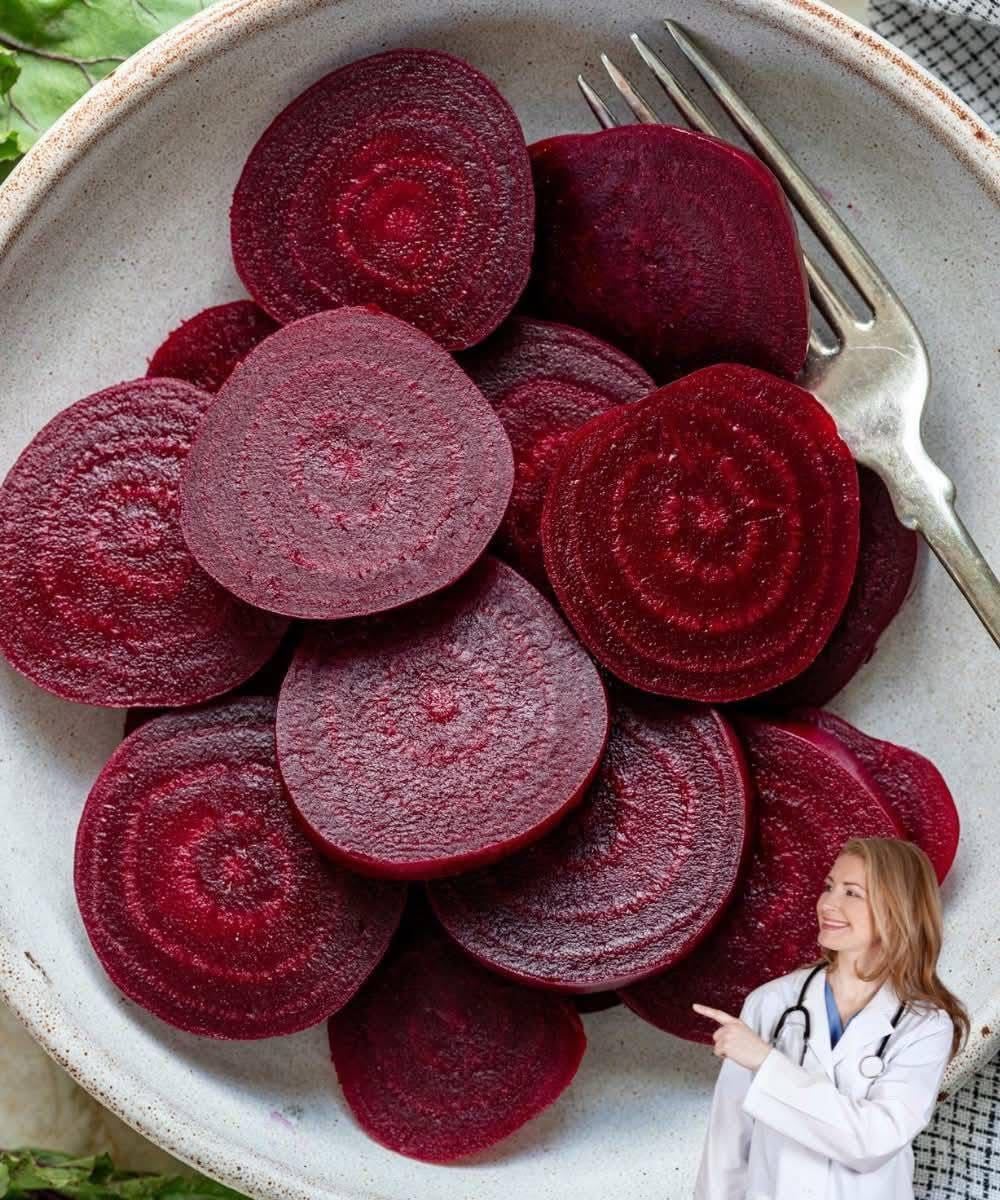
The Beetroot Upgrade: What Happens to Your Body When You Eat Beets, According to Doctors

Bright, earthy, and naturally sweet, Beetroot has quietly earned a reputation as one of the most powerful vegetables for overall health. For centuries, cultures around the world have used beets not only as a colorful ingredient in meals but also as a natural remedy to support the body. Today, modern doctors and nutritionists confirm what traditional diets have long suggested: eating beets regularly can provide impressive benefits for your heart, blood circulation, digestion, and energy levels.

Often called a “superfood,” beetroot is packed with vitamins, minerals, antioxidants, and natural compounds that work together to support the body in many ways. Whether you enjoy them roasted, boiled, juiced, or shredded into salads, adding beets to your diet may trigger several positive changes inside your body.

Let’s explore what doctors say really happens when you start eating beetroot regularly.

1. Your Blood Pressure May Improve

One of the most widely studied benefits of beetroot is its ability to support healthy blood pressure. Beets contain natural compounds called nitrates. When you eat them, the body converts these nitrates into nitric oxide, which helps relax and widen blood vessels.

This process improves circulation and allows blood to flow more easily throughout the body. As a result, many people experience lower blood pressure levels after consuming beetroot regularly. Doctors often recommend beetroot juice as part of a heart-healthy diet because it may help reduce strain on the cardiovascular system.

Improved circulation can also help oxygen travel more efficiently to muscles and organs, which contributes to better overall body function.

2. Your Energy Levels May Increase

Athletes and fitness experts often include beetroot in their diets because it can naturally enhance endurance and stamina. The same nitrates that support blood flow also help muscles use oxygen more efficiently.

When your muscles receive oxygen more effectively, they can work longer before feeling fatigued. This is why beetroot juice is commonly consumed before workouts or athletic events.

Even if you’re not an athlete, you might notice improved energy levels during daily activities. Some people report feeling less tired and more physically active after adding beets to their regular meals.

3. Your Brain May Receive Better Blood Flow

Another fascinating benefit of beetroot involves brain health. Improved circulation from dietary nitrates may increase blood flow to certain parts of the brain responsible for thinking, memory, and concentration.

Doctors suggest that foods like beetroot that improve circulation may support cognitive health, especially as people age. Better blood flow helps ensure brain cells receive the oxygen and nutrients they need to function properly.

While beetroot alone is not a cure for memory issues, including it in a balanced diet may contribute to long-term brain health.

4. Your Digestive System May Work More Smoothly

Beetroot is also a great source of dietary fiber, which plays an important role in digestion. Fiber helps move food through the digestive tract and supports regular bowel movements.

Eating fiber-rich vegetables like beetroot may help prevent constipation and keep the digestive system functioning efficiently. Additionally, fiber feeds beneficial gut bacteria that support a healthy microbiome.

A balanced gut environment is linked to many aspects of health, including immunity, nutrient absorption, and even mood.

5. Your Body Gets a Powerful Dose of Antioxidants

Beetroot owes its deep red color to plant pigments known as betalains. These compounds act as antioxidants, helping protect the body from oxidative stress.

Oxidative stress occurs when unstable molecules called free radicals damage cells. Over time, this damage may contribute to aging and various chronic diseases.

By consuming antioxidant-rich foods like beetroot, you provide your body with natural protection against this cellular damage. Doctors often encourage diets rich in colorful vegetables because each pigment provides unique protective compounds.

6. Your Liver May Receive Natural Support

The liver is responsible for filtering toxins and processing nutrients in the body. Some research suggests that compounds found in beetroot may support the liver’s natural detoxification processes.

Betalains and other plant nutrients in beets may help reduce inflammation and oxidative stress in liver cells. While beetroot is not a detox cure, it can contribute to a diet that supports healthy liver function.

Combined with plenty of water, fruits, vegetables, and whole foods, beetroot may help the body maintain its natural cleansing processes.

7. Your Immune System May Become Stronger

Beetroot contains several essential nutrients that support immune health, including vitamin C, iron, and folate. These nutrients help the body produce healthy blood cells and maintain proper immune responses.

Iron is particularly important for transporting oxygen through the bloodstream, while folate supports cell growth and repair. Together, these nutrients contribute to overall vitality and resilience against illness.

Eating a variety of nutrient-rich vegetables—including beetroot—helps ensure your immune system receives the tools it needs to function effectively.

8. Your Skin May Benefit from the Nutrients

Because beetroot supports circulation, detoxification, and antioxidant protection, it may also have indirect benefits for skin health. Good circulation helps deliver oxygen and nutrients to skin cells, while antioxidants protect them from environmental damage.

Some people notice a healthier glow or improved complexion when regularly eating vegetables rich in antioxidants and vitamins.

Although skincare involves many factors such as hydration, sleep, and sun protection, diet remains a key piece of the puzzle.

Simple Ways to Add Beetroot to Your Diet

Incorporating beetroot into meals is easy and delicious. Here are a few simple ideas:

  • Roast sliced beets with olive oil and herbs

  • Add grated beetroot to salads for color and crunch

  • Blend beetroot into smoothies or juices

  • Mix diced beets into grain bowls or vegetable dishes

  • Use roasted beetroot as a topping for sandwiches or wraps

Beets pair well with ingredients like citrus, goat cheese, walnuts, garlic, and leafy greens.

Final Thoughts

The humble Beetroot offers far more than its vibrant color and earthy flavor. According to doctors and nutrition experts, regular consumption of beetroot may support heart health, boost energy, improve circulation, aid digestion, and protect the body with powerful antioxidants.

If Your Hand Veins Suddenly Changed – Here’s What It Might Mean

Our bodies constantly communicate with us through subtle signs and changes. Sometimes these signals are easy to ignore, especially when they seem small or harmless. One such change that many people notice is the sudden appearance or change in the veins on their hands. Maybe the veins appear more visible, darker, or more raised than usual. While this can be completely normal in many cases, sudden changes in hand veins can sometimes reflect underlying factors related to circulation, hydration, or general health.

Understanding what causes these changes can help you decide whether it’s simply a natural part of aging or something that deserves more attention.

Natural Aging and Skin Changes

One of the most common reasons hand veins become more visible is simply aging. As people grow older, the skin naturally becomes thinner and loses some of its elasticity. The layer of fat beneath the skin also decreases over time. When this happens, veins that were always present beneath the surface become more visible.

This change often appears gradually, but sometimes people only notice it suddenly when they look closely at their hands or compare them to old photos. In most cases, this is completely harmless and just a normal part of the body’s natural aging process.

Increased Physical Activity

If you recently started exercising or doing more physical work, you may notice your hand veins becoming more prominent. When muscles are active, the body increases blood flow to support them. This increased circulation can cause veins to expand slightly, making them more visible under the skin.

Weightlifting, manual labor, gardening, and even long walks can temporarily make veins appear larger. Athletes often have very visible veins for this reason. After the body returns to a resting state, the veins usually become less noticeable again.

Dehydration

Another simple explanation for sudden vein visibility is dehydration. When the body does not have enough fluids, blood volume can decrease slightly, which sometimes makes veins stand out more under the skin.

Dehydration can also make the skin appear thinner or tighter, which contributes to the effect. Drinking enough water throughout the day helps maintain healthy circulation and skin elasticity.

If you notice prominent veins along with symptoms such as dry mouth, fatigue, or dizziness, increasing your water intake may help restore balance.

Hot Weather and Temperature Changes

Temperature also plays a role in how visible veins appear. During warm weather or after a hot shower, blood vessels expand to help regulate body temperature. This process is called vasodilation.

When veins expand, they move closer to the skin’s surface and appear larger or darker. Once the body cools down, the veins typically return to their normal size.

This is why people often notice their veins more during summer or after spending time in the sun.

Weight Loss

If someone experiences rapid or noticeable weight loss, veins can become more visible in several parts of the body, including the hands. This happens because fat beneath the skin decreases, making underlying structures like veins easier to see.

This effect is especially noticeable in people who lose a significant amount of body fat or who already have naturally thin skin.

Circulation Changes

Sometimes vein appearance can be related to circulation. Healthy blood flow keeps veins functioning normally, but certain conditions can affect how blood moves through the body.

For example, if blood pools slightly in the veins, they may appear larger or more raised. This does not always indicate a serious issue, but if vein changes are accompanied by swelling, pain, redness, or warmth, it may be wise to consult a healthcare professional.

These symptoms can sometimes be associated with vein inflammation or other circulation concerns.

Stress and Hormonal Factors

Hormonal changes and stress can also influence the circulatory system. When the body experiences stress, it releases hormones that affect blood pressure and circulation. These temporary changes can make veins appear more noticeable.

Hormonal shifts related to pregnancy, menopause, or certain medications can also affect the appearance of veins in some individuals.

Usually these changes are temporary and resolve as hormone levels stabilize.

When Should You Pay Attention?

Most vein changes in the hands are harmless. However, there are situations where paying closer attention is important. You should consider speaking with a healthcare provider if the vein changes are accompanied by symptoms such as:

  • Persistent swelling in the hands or arms

  • Pain or tenderness along the veins

  • Skin discoloration or redness

  • A sudden bulging vein that feels hard

  • Numbness or unusual sensations

These signs may indicate a circulation issue or inflammation that should be evaluated.

Supporting Healthy Circulation

Maintaining good circulation can help keep veins healthy and functioning well. Simple lifestyle habits can make a significant difference.

Regular movement and exercise encourage healthy blood flow. Staying hydrated helps maintain proper blood volume and circulation. Eating balanced meals rich in fruits, vegetables, and healthy fats also supports vascular health.

Avoiding prolonged periods of sitting or inactivity can also prevent blood from pooling in the veins.

Listening to Your Body

Our bodies often communicate through subtle signals, and visible veins can sometimes be one of those signs. In most cases, changes in hand veins are completely normal and linked to everyday factors such as temperature, activity level, hydration, or natural aging.

Jam Mazah: A Simple Preserve That Turns Fruit Into Comfort

There is something timeless and comforting about homemade fruit preserves. Across many cultures, making jam has long been a way to capture the sweetness of fresh fruit and enjoy it long after the harvest season has passed. One delightful example is Jam Mazah, a simple yet flavorful fruit preserve that transforms everyday fruit into a rich, comforting spread. The name “Mazah” suggests flavor and enjoyment, and this jam certainly lives up to that idea. With just a few ingredients and a little patience, you can create a jar of sweetness that brightens breakfasts, snacks, and desserts.

Jam Mazah is loved because it balances natural fruit flavor with just enough sweetness to enhance it. Unlike many store-bought jams filled with artificial preservatives and excessive sugar, homemade Jam Mazah focuses on the natural taste of the fruit itself. The slow cooking process thickens the fruit into a glossy, spreadable consistency while intensifying its aroma and flavor. Whether spread over warm toast, spooned onto yogurt, or layered inside cakes, this jam brings a comforting homemade touch to many dishes.

One of the most appealing things about Jam Mazah is its versatility. It can be made with many kinds of fruits depending on what you have available. Strawberries, apples, peaches, apricots, and even mixed fruits can all work beautifully. Each fruit gives the jam its own personality. Strawberries create a bright and vibrant jam, while apples produce a mild, cozy flavor. Peaches and apricots add a delicate sweetness with a hint of floral aroma. Because of this flexibility, Jam Mazah can change with the seasons while always delivering the same comforting experience.

Making Jam Mazah at home is surprisingly simple. The process requires only fruit, sugar, and a little lemon juice. The fruit provides natural flavor and texture, the sugar acts as both sweetener and preservative, and the lemon juice adds brightness while helping the jam set properly. When cooked together slowly, these ingredients transform into a thick, shiny preserve that captures the essence of the fruit.

Ingredients

To prepare a classic batch of Jam Mazah, you will need:

  • 4 cups fresh fruit (strawberries, peaches, apples, or mixed fruit), chopped or mashed

  • 2 cups granulated sugar

  • 2 tablespoons fresh lemon juice

  • ½ teaspoon lemon zest (optional for extra flavor)

  • ÂĽ cup water

These ingredients are enough to make about two small jars of jam, perfect for enjoying at home or sharing with family.

Instructions

Begin by washing the fruit thoroughly. If you are using fruits like strawberries or peaches, remove the stems and pits before chopping them into small pieces. Apples should be peeled and diced. Once prepared, place the fruit in a medium saucepan.

Add the water and cook the fruit over medium heat for about 5 to 8 minutes. Stir occasionally while the fruit softens and begins to release its juices. This step helps break down the fruit so it can blend smoothly into the jam.

Next, add the sugar and stir well until it dissolves into the fruit mixture. Continue cooking over medium heat, stirring frequently to prevent sticking or burning. As the mixture heats, it will begin to bubble and gradually thicken.

After about 10 minutes of simmering, add the lemon juice and lemon zest. These ingredients enhance the flavor and help balance the sweetness. Continue cooking the jam for another 10 to 15 minutes, stirring often. You will notice the mixture becoming thicker and more glossy as the natural pectin in the fruit works with the sugar to create the jam’s texture.

To check if the jam is ready, place a small spoonful onto a chilled plate and let it sit for a few seconds. If it thickens and wrinkles slightly when you push it with your finger, the jam has reached the right consistency.

Once ready, remove the saucepan from the heat and allow the jam to cool slightly. Carefully pour the warm jam into clean glass jars, leaving a little space at the top. Seal the jars with lids and let them cool completely at room temperature.

After cooling, store the jars in the refrigerator. Homemade Jam Mazah can usually last for two to three weeks when kept chilled, though it often disappears much sooner because of its irresistible taste.

Jam Mazah is more than just a spread. It can be used in many creative ways in the kitchen. Spread it over buttered toast for a comforting breakfast, swirl it into oatmeal or yogurt, or use it as a filling for pastries and cakes. It also pairs beautifully with pancakes, waffles, and even cheese boards where the sweetness contrasts nicely with savory flavors.

The beauty of Jam Mazah lies not only in its flavor but also in the experience of making it. The gentle bubbling of fruit on the stove, the sweet aroma filling the kitchen, and the satisfaction of sealing a jar of homemade goodness all contribute to its charm. Preparing jam at home reconnects us with traditional cooking methods and reminds us that simple ingredients can create something truly special.

In a world filled with fast food and packaged products, Jam Mazah offers a moment of slow, mindful cooking. It transforms fresh fruit into something lasting and comforting—something that can be shared with family, gifted to friends, or enjoyed quietly with a cup of tea. Each spoonful carries the warmth of homemade care and the simple joy of preserving nature’s sweetness.

Thanks to This Trick Your House Will Never Stop Smelling Fresh: Only 2 Ingredients Are Enough

A home that smells fresh and welcoming instantly creates a feeling of comfort and relaxation. Many people spend money on candles, air fresheners, and expensive diffusers trying to keep their house smelling good all day. Unfortunately, most commercial products contain artificial fragrances and chemicals that fade quickly or can even irritate allergies. The good news is that there is a simple and natural trick that can keep your home smelling amazing for hours using only two basic ingredients that you probably already have in your kitchen.

This easy homemade fragrance method is not only affordable but also natural and effective. With just a pot, water, and two powerful scent ingredients, you can fill your entire house with a warm, inviting aroma that feels like a spa or cozy bakery.


Why Natural Home Fragrances Work Better

Artificial air fresheners often mask odors rather than eliminate them. They release synthetic perfumes into the air, which can mix with existing smells and sometimes create an unpleasant combination.

Natural ingredients work differently. When heated slowly in water, they release essential oils and natural aromas that spread gently through the air. This process creates a fresh scent that feels clean rather than overpowering.

Another advantage is that you can customize the fragrance to suit your mood. Whether you want something relaxing, energizing, or cozy, natural ingredients give you complete control.


The 2-Ingredient Trick That Makes Your Home Smell Amazing

This simple method uses lemon and rosemary. These two ingredients create one of the most refreshing and pleasant scent combinations.

Lemon adds a clean citrus aroma that removes unpleasant smells, while rosemary contributes a calming herbal fragrance that makes the air feel fresh and relaxing.

Together, they create a balanced scent that spreads naturally throughout the house.


Ingredients

  • 1 fresh lemon

  • 2–3 sprigs of fresh rosemary

  • 2–3 cups of water


Step-by-Step Instructions

Step 1: Slice the Lemon

Cut the lemon into thin slices. Slicing helps release more of the citrus oils, which carry the refreshing scent into the air more effectively.

Step 2: Add Water to a Small Pot

Pour about 2–3 cups of water into a small saucepan or pot.

Step 3: Add Lemon and Rosemary

Place the lemon slices and rosemary sprigs into the water.

Step 4: Simmer on Low Heat

Place the pot on the stove and bring the mixture to a gentle simmer. Keep the heat low so the water slowly releases the fragrance without boiling away too quickly.

Step 5: Enjoy the Aroma

Within a few minutes, the citrus-herbal scent will begin to fill your kitchen and gradually spread throughout the house. If the water level drops, simply add more water to keep the fragrance going.


Why Lemon and Rosemary Work So Well

Lemon is well known for its natural deodorizing properties. It neutralizes unpleasant odors such as cooking smells, pet odors, and stale air.

Rosemary, on the other hand, contains aromatic oils that are both calming and refreshing. The combination creates a scent that feels clean, natural, and comforting.

This simple mixture can easily outperform many store-bought air fresheners.


When to Use This Trick

This natural fragrance trick is perfect for many situations:

Before guests arrive – Your home will smell fresh and welcoming.
After cooking – It helps remove strong food odors.
During cleaning – It enhances the feeling of a freshly cleaned home.
On cold days – The warm citrus scent creates a cozy atmosphere.

Many people even keep the pot simmering while relaxing in the evening because the aroma feels soothing and comforting.


Extra Variations You Can Try

Although lemon and rosemary are a classic combination, you can experiment with other natural ingredients to create different scents.

Orange and cinnamon sticks create a warm, holiday-like fragrance.

Lime and mint produce a refreshing and energizing aroma perfect for hot days.

Apple slices and cinnamon make the house smell like freshly baked pie.

These simple combinations allow you to change the mood of your home whenever you like.


Tips for Best Results

To keep the scent lasting longer, always simmer the mixture on low heat rather than boiling it. This slowly releases the aroma and prevents the water from evaporating too quickly.

You can also reuse the mixture throughout the day. Just add more water when needed and continue simmering.

For an even stronger scent, lightly press the lemon slices with a spoon before adding them to the pot to release more oils.


A Natural and Budget-Friendly Solution

One of the best things about this trick is how affordable it is. Instead of spending money on sprays or candles every week, you can use simple kitchen ingredients to achieve the same result.

It is also safer for families and pets because it avoids artificial chemicals and synthetic fragrances.


Final Thoughts

Keeping your home smelling fresh does not have to be complicated or expensive. With just lemon and rosemary, you can create a natural fragrance that spreads throughout your house and makes every room feel clean, warm, and inviting.

This simple simmering trick takes only a few minutes to prepare but can transform the entire atmosphere of your home. Once you try it, you may find yourself using it regularly whenever you want your space to feel extra fresh and welcoming.

An easy strawberry dessert to prepare in 2 minutes

Sometimes the best desserts are the simplest ones. When you are craving something sweet but don’t want to spend a lot of time in the kitchen, a quick strawberry dessert can be the perfect solution. Fresh, juicy strawberries paired with creamy ingredients create a delightful treat that feels special but takes almost no effort. This 2-minute strawberry dessert is perfect for busy days, unexpected guests, or late-night cravings. It’s light, refreshing, and incredibly satisfying.

Strawberries are one of the most loved fruits in the world. Their natural sweetness, bright color, and refreshing flavor make them ideal for quick desserts. Not only do they taste amazing, but they are also rich in vitamins, antioxidants, and fiber. This simple recipe highlights the natural flavor of strawberries while adding a creamy and slightly sweet twist that turns a handful of fruit into a delicious dessert.

The beauty of this recipe is that it requires very few ingredients and almost no preparation. You don’t need an oven, stove, or complicated tools. With just a bowl and a spoon, you can create a dessert that looks elegant and tastes wonderful.

Ingredients

1 cup fresh strawberries (washed and sliced)
3 tablespoons whipped cream or yogurt
1 tablespoon honey or powdered sugar
2 tablespoons crushed biscuits or graham crackers (optional)
A few mint leaves for garnish (optional)

Instructions

Start by washing the strawberries thoroughly under cold water. Remove the green tops and slice them into small pieces. Place the sliced strawberries into a small dessert bowl or glass.

Next, drizzle the honey over the strawberries. Honey enhances the natural sweetness of the fruit and gives the dessert a smooth, glossy finish. If you prefer, you can also use powdered sugar instead.

Add the whipped cream or yogurt on top of the strawberries. If you want a lighter dessert, yogurt works beautifully. For a richer and creamier version, whipped cream is perfect.

Sprinkle the crushed biscuits or graham crackers over the top. This step is optional but highly recommended because it adds a delicious crunchy texture that contrasts nicely with the soft strawberries and creamy topping.

Finally, garnish with a small mint leaf if you have one. This simple touch makes the dessert look more elegant and adds a refreshing aroma.

Your quick strawberry dessert is now ready to enjoy. From start to finish, the entire process takes about two minutes.

Why This Dessert Works So Well

This dessert is popular because it combines three textures in one bite: juicy strawberries, creamy topping, and crunchy crumbs. The balance of flavors is also perfect. The sweetness of the strawberries blends beautifully with the creaminess of the topping and the light crunch from the biscuits.

Another reason this dessert is so loved is its versatility. You can easily adjust the ingredients depending on what you have at home. For example, you can replace whipped cream with vanilla yogurt, cream cheese, or even mascarpone. The biscuits can be swapped with granola, nuts, or crushed cookies.

Health Benefits of Strawberries

Strawberries are not only delicious but also very nutritious. They are packed with vitamin C, which helps support the immune system and keeps the skin healthy. They also contain antioxidants that help protect the body from oxidative stress.

In addition, strawberries are low in calories and high in fiber, making them a great choice for people who want a healthier dessert option. The natural sweetness of the fruit means you can use less added sugar while still enjoying a satisfying treat.

Creative Variations

If you want to make this dessert even more exciting, here are a few simple variations you can try.

You can add a few slices of banana for extra sweetness and creaminess. Bananas pair wonderfully with strawberries and make the dessert more filling.

Another option is to drizzle a little chocolate syrup on top. Chocolate and strawberries are a classic combination that instantly makes any dessert feel more indulgent.

You could also add a spoonful of peanut butter or almond butter for a nutty flavor and extra protein. This version turns the dessert into a more satisfying snack.

For a chilled treat, place the prepared dessert in the freezer for about 10 minutes. The strawberries become slightly firm, and the cream turns thicker, creating a refreshing summer dessert.

Perfect for Any Occasion

This quick strawberry dessert is perfect for many situations. It works wonderfully as a light dessert after dinner, a sweet afternoon snack, or even a quick breakfast treat. Because it looks colorful and elegant, it can also be served to guests when you need something fast but impressive.

Parents often love this recipe because it is simple enough for children to help prepare. Kids enjoy mixing the ingredients and decorating the dessert with toppings.

Final Thoughts

Sometimes the most memorable desserts are the ones that require the least effort. With just a few ingredients and two minutes of your time, you can create a delicious strawberry dessert that tastes fresh, creamy, and satisfying. It’s proof that you don’t need complicated recipes or long baking times to enjoy a wonderful homemade treat.

Nostradamus and his predictions: three interpretations that some relate to the near future