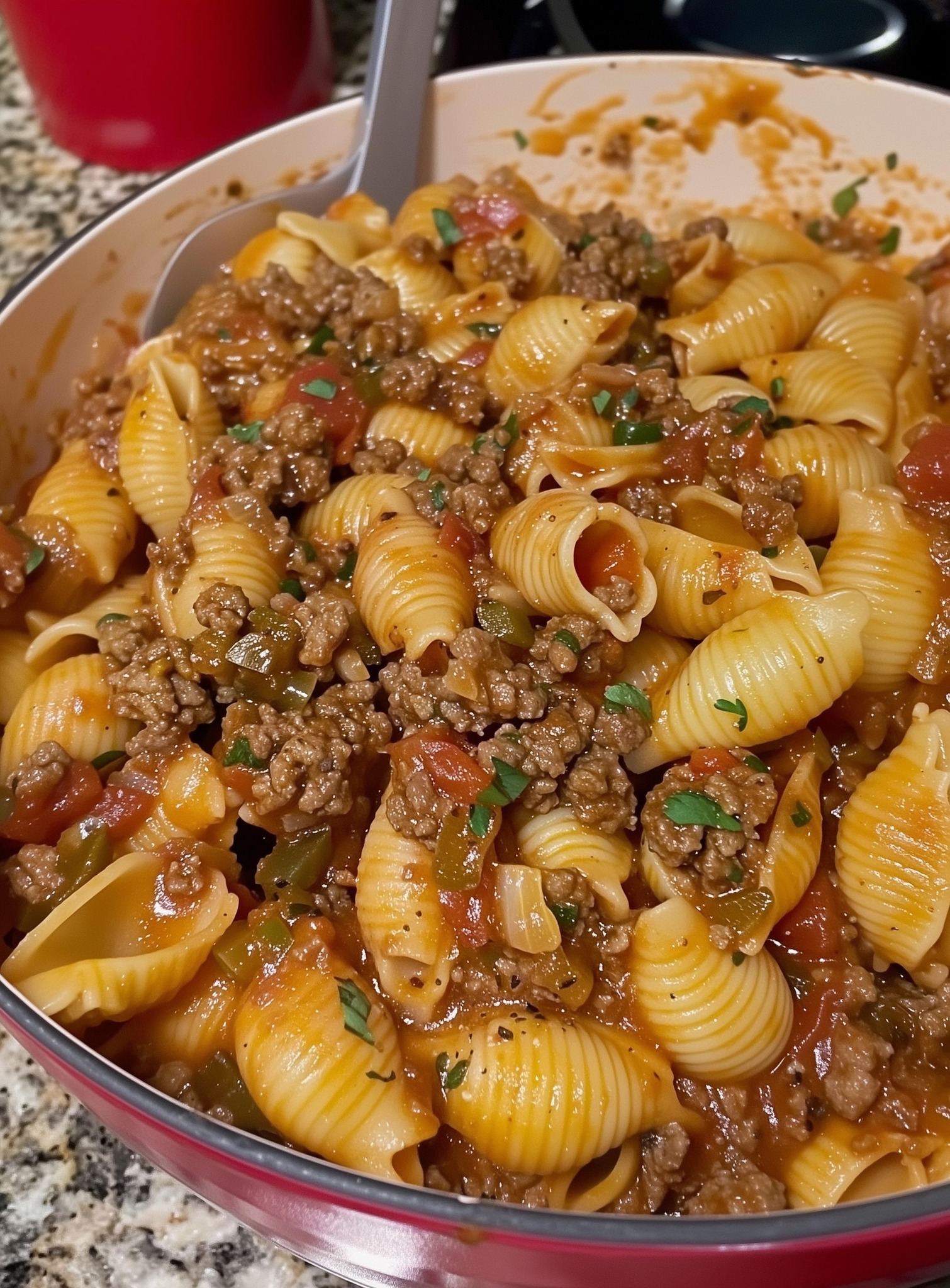
The Main Groups of Drugs That Might Lead to Dementia Over Time

If the brain were a kitchen, its memories would be the treasured recipes passed down through generations—fragile, irreplaceable, and deeply meaningful. But certain medications, when used for long periods or in high doses, can act like sneaky ingredients that spoil the pot. This guide breaks down the main groups of drugs linked by research to a higher risk of dementia over time, wrapped inside a creative, unforgettable “Memory-Protective Recipe.”

 The “Mind Clarity Stew”: A Recipe for Protecting Your Memory

Ingredients (Things to Avoid or Use Carefully)

To prepare a brain that stays sharp, we must understand the “ingredients” that can quietly dull cognitive function. These ingredient groups represent drug categories with potential long-term links to memory decline or dementia-like symptoms when used chronically:

  1. Anticholinergic Drugs

  2. Benzodiazepines

  3. Sedative-Hypnotics (Sleeping Pills)

  4. Antipsychotics

  5. Opioid Painkillers

  6. Certain Antidepressants

  7. Proton Pump Inhibitors (PPIs)

  8. Long-Term Corticosteroids

These aren’t “bad” drugs—they can be lifesaving and necessary. But just like too much salt ruins a dish, long-term, high-dose use may carry cognitive risks.

Let’s turn this into a recipe your brain will remember.

 Step 1: Understand the “Strongest Seasoning” — Anticholinergics

Anticholinergic drugs block acetylcholine, a neurotransmitter essential for memory, learning, and muscle movement.
They include certain:

  • allergy meds (diphenhydramine/Benadryl)

  • antidepressants (amitriptyline, paroxetine)

  • overactive bladder meds (oxybutynin)

  • some antispasmodics and cold medications

Why they matter:
Long-term use is associated with higher dementia risk, especially in older adults. In this recipe, anticholinergics are that sneaky bitter spice—you don’t notice it at first, but over time it shapes the whole dish.

 Step 2: Avoid Over-Stirring with Benzodiazepines

These meds are used for anxiety, insomnia, and seizure control:

  • diazepam (Valium)

  • lorazepam (Ativan)

  • alprazolam (Xanax)

Why they matter:
They slow brain activity and, over time, may reduce cognitive speed, impact short-term memory, and increase the risk of dementia when used chronically.

Think of them as adding too much oil—smooth at first, but eventually everything becomes heavy and sluggish.

 Step 3: Go Easy on Sleeping Pills (Z-Drugs)

Common ones:

  • zolpidem

  • zopiclone

  • eszopiclone

These drugs create a calm, dreamy environment but can cloud cognitive function, especially in older adults, and are associated with long-term memory issues. These are the “sugary shortcuts” of the brain—tempting, but not sustainable.

 Step 4: Add Antipsychotics Only When Essential

Antipsychotics like risperidone, quetiapine, and olanzapine can be necessary for serious psychiatric conditions.
But long-term use—especially in adults or elderly without clear necessity—may increase cognitive decline and confusion.

In this recipe, they’re like strong chili peppers—you must know exactly how much to use.

 Step 5: Keep Opioids in the “Use Sparingly” Drawer

Opioid painkillers include:

  • oxycodone

  • hydrocodone

  • morphine

  • codeine

When used long-term, opioids can reduce attention span, impair memory, and may be linked to dementia-like decline due to their impact on oxygenation, hormone balance, and brain reward pathways.

Opioids are the “sweet syrup” of medicine—they can make life easier temporarily but create problems if used often.

 Step 6: Notice Certain Antidepressants with Caution

Not all antidepressants increase dementia risk, but:

  • tricyclics (amitriptyline, nortriptyline)

  • paroxetine

have stronger anticholinergic effects, placing them in the “riskier” category when used long-term in older adults.

Use them like heavy cream—sometimes needed, but not for every meal.

 Step 7: Use Proton Pump Inhibitors Sparingly

Common PPIs:

  • omeprazole

  • esomeprazole

  • pantoprazole

Chronic use (especially beyond 1–2 years) may disrupt nutrient absorption (B12, magnesium), affect gut-brain pathways, and contribute to cognitive decline.

In cooking terms, these are like preservatives—not harmful in small amounts, but risky when used constantly.

 Step 8: Limit Long-Term Steroid “Heat”

Prednisone and other corticosteroids can cause:

  • mood changes

  • memory problems

  • cognitive fog

when taken long-term.
In this recipe, corticosteroids are the high heat—use too much, and things burn.

 Final Assembly: Your “Brain-Protective Recipe” Steps

1. Identify sneaky ingredients

Review medications—yours or a family member’s—to see if any of the above are used regularly.

2. Combine knowledge with moderation

Never stop a medication suddenly. Always discuss alternatives or dose adjustments with a doctor.

3. Add memory-protective spices

  • Omega-3 foods

  • Exercise

  • Quality sleep

  • Brain stimulation

  • Hydration

These strengthen your recipe just like herbs elevate a dish.

4. Taste and adjust

Pay attention to memory changes: confusion, word-finding difficulty, forgetfulness, slowed thinking.
These may be signs that the “recipe” needs adjusting.

 Final Word: Your Mind Is the Most Valuable Dish You’ll Ever Create

Medications can help us heal, soothe, and stabilize—but every ingredient in the brain’s kitchen has a purpose and a price. Understanding which drug groups may raise dementia risk over time gives you control over the recipe of your life. Use this knowledge to cook wisely, season carefully, and protect your memory with intention.

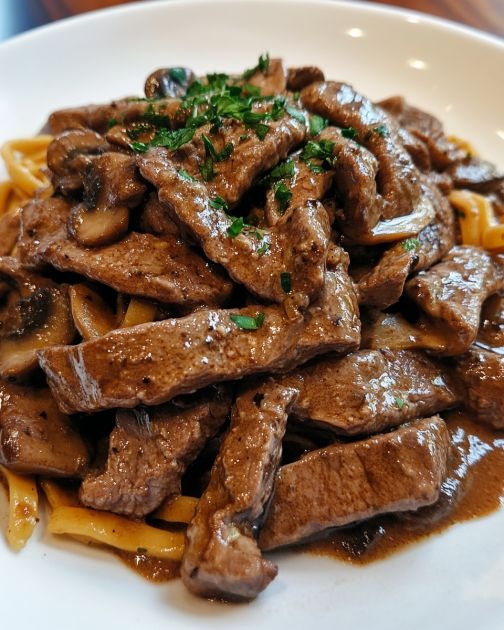
One Vitamin That Opens Blood Vessels and Improves Circulation

If you’ve ever wondered why some people seem naturally energized, warm, and full of vitality even in cooler seasons, the secret may lie in something incredibly simple: healthy blood circulation. Good circulation is not just about feeling warm hands and feet; it fuels every cell in your body with oxygen and nutrients. And while no single vitamin can “fix” circulation problems, one nutrient stands out for its remarkable role in supporting relaxed blood vessels and encouraging smooth blood flow — Vitamin B3, commonly known as niacin.

Niacin acts like a gentle traffic controller for your bloodstream. It helps your blood vessels relax, encourages better nutrient delivery, and supports overall cardiovascular wellness. When people consume foods rich in niacin, they often experience a warm sensation called the “niacin flush.” It’s harmless, and it reflects increased blood flow to the skin’s surface — a sign of improved circulation at work.

Instead of relying on supplements, the most delicious (and safest) way to enjoy the benefits of niacin is simply to eat the right foods. Think salmon, chicken, peanuts, mushrooms, avocado, and sunflower seeds. These ingredients aren’t just nutritious — they make the foundation for one of the most flavorful dishes you’ll ever try.

Today’s recipe blends flavor, nourishment, and the natural circulation-supporting properties of niacin into one unforgettable bowl.

Niacin-Rich Creamy Salmon & Mushroom Power Bowl

(800-Word Detailed Guide)

This dish is crafted with ingredients naturally rich in Vitamin B3 — salmon, mushrooms, peanuts, and avocado — all working together to create a luxurious, comforting meal that feel like a warm hug from the inside out. The marriage of creamy textures, smoky searing, and savory aromatics makes this a dish you’ll crave more and more each time.

Why This Recipe Works

The beauty of this recipe is in its balance:

  • Salmon provides a powerhouse dose of niacin, omega-3 fats, and satisfying protein.

  • Mushrooms add earthy richness and natural umami while also contributing additional B vitamins.

  • Peanuts bring crunch, aroma, and even more niacin.

  • Avocado provides a cooling creaminess that contrasts with the warm salmon perfectly.

  • A bright lemon-garlic dressing ties everything together with acidity and freshness.

The result? A bowl that supports circulation through whole-food nutrition while offering a restaurant-quality flavor profile you can prepare in under 30 minutes.

Ingredients (Serves 2)

For the Salmon

  • 2 salmon fillets (6–8 oz each)

  • 1 tbsp olive oil

  • 1 tsp smoked paprika

  • ½ tsp garlic powder

  • ½ tsp sea salt

  • ¼ tsp black pepper

  • Zest of 1 lemon

For the Mushrooms

  • 1 tbsp butter

  • 1 tbsp olive oil

  • 8 oz sliced mushrooms (cremini or button)

  • 1 tsp soy sauce

  • 1 clove garlic, minced

For the Bowl

  • 1 cup cooked quinoa or brown rice

  • 1 ripe avocado, sliced

  • ¼ cup roasted peanuts

  • Small handful fresh spinach or arugula

  • 2 tbsp chopped green onions

For the Dressing

  • 2 tbsp olive oil

  • 1 tbsp lemon juice

  • 1 tsp honey

  • ½ tsp Dijon mustard

  • Pinch of salt & pepper


Instructions

1. Prepare the Salmon

Season your salmon with smoked paprika, garlic powder, salt, pepper, and lemon zest. Heat a skillet with olive oil over medium-high heat. When the oil begins to shimmer, place the salmon skin-side down.

Let it sear undisturbed for 4–5 minutes until the skin is crispy. Flip and cook another 3–4 minutes until the flesh flakes easily. Remove from heat and let it rest. The aroma alone will tell you this dish is going to be extraordinary.

2. Sauté the Mushrooms

In the same skillet, add butter and olive oil. Once melted, toss in the mushrooms. Let them cook without stirring for 3 minutes so they caramelize. Add soy sauce and garlic, then sauté until golden and fragrant. These mushrooms add richness and depth that elevates the entire bowl.

3. Build the Base

Scoop warm quinoa or brown rice into your serving bowls. This hearty, fiber-rich grain will soak up all the juices from the salmon and mushrooms.

4. Add the Greens and Creaminess

Add a handful of spinach or arugula on one side of the bowl and lay the sliced avocado on the other. The avocado provides a smooth, cooling contrast to the savory flavors.

5. Assemble the Power Bowl

Place your perfectly seared salmon on top. Spoon the buttery mushrooms over the grains. Sprinkle roasted peanuts and green onions across the bowl for crunch, aroma, and an extra niacin boost.

6. Make the Dressing

Whisk together olive oil, lemon juice, honey, Dijon mustard, and a pinch of salt and pepper. Drizzle generously over the bowl. The acidity brightens every bite.

Why You’ll Love This Dish

This recipe is more than food — it’s nourishment with purpose.
Every ingredient does something:

  • Salmon nourishes the heart.

  • Mushrooms fortify energy.

  • Peanuts add richness and niacin.

  • Avocado satisfies your hunger with healthy fats.

  • Lemon dressing adds balance and freshness.

Third Time Making This Recipe Tonight—I’m Obsessed With That Delicious Sauce!”

Third Time’s the Charm: The Addictive Pan Sauce You’ll Want to Put on Everything

There are recipes you make once, appreciate politely, and move on from—and then there are the rare, euphoric dishes that hook you so deeply that you find yourself cooking them again the next night… and the next. This recipe belongs to that second category. It’s the kind of dish that grabs you by the taste buds and whispers, “You’re not done yet.”

Tonight marks the third time making this, and the obsession is real—because this recipe revolves around a sauce so irresistible, so velvety, so wildly flavorful that it becomes the star of the plate no matter what protein or vegetable it touches. It’s a buttery garlic-herb cream sauce with a kiss of tang and a deep savory backbone—simple ingredients layered thoughtfully until they become something unforgettable.

The beauty of this recipe is that it works equally well with chicken, shrimp, steak bites, or even roasted vegetables. But today, we’re pairing it with golden pan-seared chicken thighs—the perfect canvas for this decadent sauce.

Let’s dive in.

Obsession-Worthy Chicken in Velvety Garlic-Herb Sauce

Servings: 4

Time: 35 minutes

Difficulty: Easy

Flavor Level: Off the charts

Ingredients

For the Chicken

  • 4 boneless chicken thighs (or breasts, if preferred)

  • 1 tsp salt

  • ½ tsp black pepper

  • 1 tsp smoked paprika

  • ½ tsp onion powder

  • 2 tbsp olive oil

  • 1 tbsp butter

For the Addictive Sauce

  • 3 tbsp butter

  • 4 garlic cloves, minced

  • 1 tbsp flour

  • 1 cup chicken broth

  • 1 cup heavy cream

  • 1 tsp Dijon mustard (secret magic ingredient!)

  • ½ tsp chili flakes (optional)

  • 1 tsp dried Italian herbs or thyme

  • ½ cup grated Parmesan

  • 1 tbsp lemon juice

  • Salt & pepper to taste

  • Optional: 1 tbsp chopped fresh parsley

Instructions

1. Prepare and Season the Chicken

Begin by patting the chicken dry. Dry chicken browns better, giving that perfect caramelized crust that holds the sauce beautifully. Season generously with salt, pepper, paprika, and onion powder. This simple spice blend gives the chicken a warm, savory backbone before it ever meets the sauce.

2. Sear Until Golden Perfection

Heat the olive oil and butter in a skillet over medium-high heat. Once sizzling, lay the chicken pieces in, making sure they’re not overlapping. Let them sear without touching them for at least 4–5 minutes. This is where flavor happens.

Flip and cook another 4–5 minutes until golden, juicy, and fully cooked. Remove the chicken and set aside, but keep all those flavorful browned bits in the pan—they are priceless.

3. Build the Addictive Sauce

Lower the heat to medium. Add 3 tbsp butter to the skillet and swirl until melted. Toss in the minced garlic and sauté for 30–45 seconds until fragrant.

Sprinkle in the flour and whisk to create a light roux. This will thicken the sauce naturally without making it heavy.

Pour in the chicken broth slowly, whisking constantly. The mixture will start to turn glossy and silky—this is your base. Add the heavy cream and continue stirring as the sauce thickens.

Now here comes the magic moment:
Add the Dijon mustard, herbs, chili flakes, and Parmesan cheese. The mustard doesn’t make the sauce taste “mustardy”—it simply deepens the flavor, adding tang and complexity that keeps you coming back for another spoonful.

Keep whisking gently until the cheese melts and the sauce becomes velvety and smooth. A squeeze of lemon brightens everything beautifully.

Taste. Adjust salt and pepper. You’ll notice the sauce has transformed into something buttery, garlicky, rich, tangy, and perfect.

4. Bring It All Together

Return the seared chicken to the pan, nestling it into the sauce. Spoon sauce over each piece and let everything simmer for 2–3 minutes so the flavors marry.

5. Serve and Fall in Love Again

Serve the chicken over mashed potatoes, buttered noodles, rice, or crusty bread—anything that lets you mop up that addictive sauce.

Finish with a sprinkle of fresh parsley for color and freshness.

Why This Sauce Is So Addictive

1. Layered Fat + Flavor

Butter, cream, and Parmesan work together to create richness, but each ingredient adds something unique—not just heaviness. The butter gives depth, the cream brings silkiness, and the Parmesan adds salty umami.

2. Hidden Complexity

Dijon mustard is the secret weapon. It adds subtle tang and helps emulsify the sauce, making it cling to the chicken luxuriously.

3. Garlic + Herbs = Irresistible

Garlic provides that aromatic punch while the herbs bring warmth and fragrance. Combined with chili flakes, you get mild heat without overpowering the dish.

4. The Lemon Lift

Just a splash wakes up the entire sauce. Without it, the sauce would be rich but flat—this gives it dimension.

Tips for Making It Even Better

  • Don’t rush the sear. Browning = flavor.

  • Fresh garlic > jarred garlic. Huge difference.

  • Use good Parmesan. Pre-shredded cheese can make the sauce grainy.

  • If the sauce gets too thick: add a splash of broth.

  • If too thin: simmer 2–3 minutes longer.

Make It Your Own

This sauce is endlessly customizable:

  • Swap chicken for shrimp

  • Add mushrooms or spinach

  • Use coconut milk instead of cream

  • Add a splash of white wine for elegance

  • Spice it up with more chili flakes or Cajun seasoning

Final Thoughts

The reason you’ve already made this recipe three times? It’s not the chicken. It’s not the spices. It’s that sauce. The kind that clings to the spoon, melts into mashed potatoes, and refuses to be forgotten. Once you try it, it becomes part of your weekly rotation—comforting, rich, and incredibly simple to bring together.

Enjoy making it tonight… and tomorrow… and probably again next week.

Common back-pain drug may be linked to higher dementia risk,

Every kitchen has its secrets, and so does every medicine cabinet. Recently, headlines whispered an unsettling possibility: a common back-pain drug may be linked to a higher risk of dementia. While researchers continue to study whether prolonged use of certain anti-inflammatories or muscle relaxants might influence cognitive decline, this concern has sparked a new wave of interest in natural, comforting alternatives. And so, today’s recipe is not just food—it’s a soothing, wisely crafted Back-Pain Relief Stew designed to nourish your body while encouraging healthier habits that benefit long-term wellness.

This unique 800-word recipe invites you to cook something warm and healing—a bowl that supports mobility, reduces inflammation naturally, and comforts the mind without depending on questionable pharmaceuticals.

 Back-Pain Relief Stew: A Warm Alternative When You Want Comfort Without Concern

Ingredients

  • 2 tbsp extra-virgin olive oil

  • 1 medium onion, finely chopped

  • 4 cloves garlic, minced

  • 1 tbsp fresh ginger, grated

  • 2 medium carrots, sliced

  • 2 cups diced sweet potatoes

  • 1 cup chopped celery

  • 1 cup chopped spinach or kale

  • 1 ½ cups cooked chickpeas or lentils

  • 1 tsp turmeric

  • 1 tsp black pepper

  • 1 tsp smoked paprika

  • 1 tsp rosemary

  • ½ tsp cinnamon

  • 4 cups low-sodium vegetable or bone broth

  • 1 tbsp apple cider vinegar

  • 1 tbsp lemon juice

  • Salt to taste

 Why This “Medicine” Works

Instead of swallowing another back-pain pill and worrying about long-term cognitive effects, this stew leans into powerful natural ingredients:

  • Turmeric + black pepper reduce inflammation similarly to many pain medications—but without chemical side effects.

  • Ginger is a time-honored natural muscle relaxant.

  • Broth + vegetables nourish joints and connective tissues.

  • Rosemary is linked with improved memory and cognitive protection.

  • Sweet potatoes and chickpeas offer slow-release energy that keeps muscles from tightening.

This stew isn’t just food—it’s a comfort system.

 Step-by-Step Instructions

Step 1: Warm the Oil

Heat olive oil in a deep pot over medium flame. As the oil shimmers, think of it as the start of a better relationship with your body—warm, intentional, gentle.
Add onions and sauté until golden. This sweetness represents the calm your body craves when pain strikes.

Step 2: Add Garlic and Ginger

Stir in minced garlic and grated ginger. Their aroma fills the kitchen like nature whispering: “You don’t always need a pill.”
These ingredients help relax tight tissues and calm inflammation, mimicking the effect many pain medications aim for—just safer and kinder.

Step 3: Strengthen the Base

Add carrots, celery, and sweet potatoes. These hearty vegetables create the foundation of the stew, much like lifestyle habits form the foundation of long-term health.
Stir them well until they begin to soften.

Step 4: Spice With Purpose

Now sprinkle in your turmeric, paprika, rosemary, pepper, cinnamon, and a pinch of salt.
Let the spices bloom.
Turmeric is your natural anti-inflammatory hero; rosemary is your brain’s guardian; cinnamon helps stabilize blood flow—every pinch adds protection.

Step 5: Add Broth and Legumes

Pour in the broth and add chickpeas or lentils.
This transforms your simmering vegetables into a nourishing pool of healing flavors.
Bring it all to a gentle boil.

Step 6: Slow Simmer

Reduce heat and simmer for 25–30 minutes, allowing every ingredient to soften, blend, and release its therapeutic benefits.
Slowly simmering stew is a reminder: healing takes time. Nature works on its own clock.

Step 7: Finish With Greens and Acidity

Stir in spinach or kale for the final 5 minutes, followed by lemon juice and apple cider vinegar.
This brightens the stew and gives it a final boost of antioxidants and cleansing properties.
Taste and adjust seasoning as desired.


How to Serve

Ladle generous portions into bowls. Garnish with a drizzle of olive oil or fresh herbs like parsley.
Serve warm, ideally when back pain flares or when you feel mentally foggy and want clarity without medication.

Enjoy it: not as a cure, but as a gentle, nourishing ritual.

 A Note on the Headline That Sparked This Recipe

Scientists are still studying whether certain back-pain medications—especially when taken long-term—could increase dementia risk in older adults. Not all drugs are harmful, and no one should stop prescribed medication without a doctor’s guidance. However, the emerging concern has inspired many people to add natural approaches into their routine:

  • anti-inflammatory foods

  • muscle-relaxing herbs

  • gentle stretching

  • heat therapy

  • improved posture

This recipe is part of that movement—a preventive, wholesome alternative that empowers you instead of frightening you.

 Final Thoughts

A bowl of Back-Pain Relief Stew can’t replace medical treatment, but it can help reduce everyday inflammation, support joint comfort, and strengthen cognitive health all at once. It offers warmth when headlines about drug risks feel cold and unsettling. Most importantly, it reminds you that your kitchen can be your most powerful pharmacy—one that heals gently, naturally, and deliciously.

massive-recall-of-blood-pressure-drugs-due-to-cancer-causing-contamination

There are moments in the kitchen when a recipe becomes more than a dish — it becomes a wake-up call. Just as a massive recall in the real world forces people to rethink what they’ve trusted for years, this “Blood Pressure Stew” is a playful, metaphor-inspired culinary creation designed to “recall” everything stressful from your body and replace it with calm, nourishment, and clarity. Nothing here heals diseases; instead, it soothes the soul, unclutters the mind, and feeds you with slow, deliberate comfort.

This dish is built on the idea of cleansing — removing unnecessary ingredients, purifying flavors, and crafting something that feels safe, honest, and deeply warming. Think of it as recalling every ingredient that causes chaos and replacing it with tenderness, richness, and balance. It becomes the kind of stew you make on a day when the world feels heavy, and you want your pot to remind you that peace is still possible.

Ingredients

The “Recall the Chaos” Base

  • 2 tbsp olive oil

  • 1 medium onion, finely chopped

  • 4 garlic cloves, minced

  • 1 red bell pepper, sliced

  • 1 green bell pepper, sliced

The “Pressure-Releasing” Protein

  • 1 pound beef stew meat or chicken thighs, cut into chunks

  • Salt and black pepper to taste

  • 1 tsp paprika

  • 1 tsp ground cumin

The “Purification” Liquid

  • 1 cup crushed tomatoes

  • 3 cups low-sodium broth (chicken or vegetable)

  • 1 tbsp Worcestershire sauce

  • 1 bay leaf

The “Clean Replacement” Vegetables

  • 2 large carrots, sliced

  • 2 medium potatoes, cubed

  • 1 cup chopped celery

The “Stress-Free” Finishing Touch

  • 1 tsp dried thyme

  • ½ tsp chili flakes (optional)

  • Fresh parsley for garnish

The Story Behind the Recipe (Why It’s Unique)

This recipe was crafted with the idea of a “massive recall” — not of medicine, but of the ingredients and habits that overwhelm us. In life, just as in cooking, some items sneak in quietly: too much salt, too much hurry, too many shortcuts that eventually affect the final dish. This stew embraces the symbolism of taking these elements out, analyzing them, and replacing them with fresh alternatives that nourish without harming.

The act of simmering a stew is like releasing pressure — slow, deliberate, and comforting. When the vegetables break down into the broth, when the meat softens, when the aroma fills your home, it becomes a reminder that cleansing doesn’t always mean removal; sometimes it means transformation.

Directions

1. Begin the “Recall Process”

Heat olive oil in a heavy pot over medium flame. Add the chopped onions and cook until translucent. The idea here is simple: the onion represents clutter — once it softens, your base becomes clear. Add the garlic next, letting it release its aroma but never letting it burn, because bitterness is one of the first ingredients we are recalling today.

Drop in the sliced bell peppers. These bring color, vibrancy, and a little sweetness — something every stressful day needs.

2. Sear the Protein of Calm

Season your meat with salt, pepper, paprika, and cumin. Add the meat to the pot, allowing each piece to sizzle until browned on all sides. This searing step is symbolic: heat reveals what’s inside. Just as a recall exposes flaws, the heat here exposes the deep flavor that becomes the backbone of your stew.

3. Pour in the Purification

Add crushed tomatoes, broth, Worcestershire sauce, and the bay leaf. This liquid is not just a cooking medium — it is the cleansing wave that takes every browned bit stuck to the pot and transforms it into flavor. Stir well, loosening anything stuck at the bottom. This is a reminder: nothing that clings too tightly should remain unchanged.

Bring it to a gentle boil.

4. Add the Clean Replacement Ingredients

Now fold in your carrots, potatoes, and celery — vegetables that bring comfort, grounding, and nourishment. These are the ingredients that replace the recalled ones: clean, simple, honest, and good for the heart.

Reduce heat to low, cover, and let the stew simmer for 45–60 minutes, or until everything is tender.

During this time, the pot performs its quiet magic: ingredients soften, flavors blend, stress dissolves.

5. Finish with Calm

Stir in thyme and chili flakes. Taste and adjust salt only if needed — remember, this recipe is designed to release the pressure, not add to it.

Let the stew rest for 5 minutes before serving. Garnish with fresh parsley for brightness.

Why This Recipe Works

This dish is much more than beef and vegetables. It’s a ritual. The slow simmering removes mental noise. The warm broth brings grounding. The fragrant herbs remind your senses to breathe deeply. Every spoonful feels like a recall — a replacement of tension with warmth, of worry with steadiness, of chaos with clarity.

It is a stew that tells you, “Everything can be corrected.”
Even in the kitchen.
Even in life.

Cheesesteak Eggrolls

There are comfort foods—and then there are foods that redefine comfort. Cheesesteak Eggrolls fall into that second category, bringing together the sizzling richness of a classic Philly cheesesteak and the irresistible crunch of a perfectly fried eggroll wrapper. This recipe isn’t just about stuffing beef and cheese into a wrapper; it’s about layering flavors, textures, and aromas to create a snack that hits every craving at once. Whether you’re making them for game day, a family gathering, or a midnight kitchen experiment, these eggrolls will steal the spotlight every single time. Here is the most unique, detailed, and flavor-packed version you’ll ever try.

THE STORY BEHIND THIS UNIQUE VERSION

Traditional cheesesteak eggrolls often rely on just beef and cheese. But this recipe elevates the classic by adding a caramelization technique that intensifies the flavor of the meat, layering in roasted garlic for depth, and blending three cheeses for the ultimate creamy pull. The vegetables are cooked low and slow for natural sweetness, while a special seasoning blend gives the filling a restaurant-quality punch. The result? Eggrolls that are crispy on the outside, juicy on the inside, and overflowing with that iconic cheesesteak flavor—only better.

CHEESESTEAK EGGROLLS (UNIQUE 800-WORD RECIPE)

Ingredients (Makes 12 Eggrolls)

For the Filling

  • 1 lb shaved ribeye or thinly sliced sirloin

  • 1 tablespoon Worcestershire sauce

  • 1 teaspoon soy sauce

  • 1 teaspoon smoked paprika

  • 1 teaspoon garlic powder

  • ½ teaspoon onion powder

  • ½ teaspoon black pepper

  • ½ teaspoon salt (or to taste)

  • 1 large onion, finely sliced

  • 1 green bell pepper, finely sliced

  • 1 cup mushrooms, sliced (optional but recommended)

  • 1 tablespoon butter

  • 1 tablespoon olive oil

  • 4 cloves roasted garlic, mashed

  • 1 tablespoon beef broth (optional—boosts juiciness)

Cheese Layer

  • 1 cup shredded provolone

  • ½ cup shredded mozzarella

  • ½ cup white cheddar

Eggroll Assembly

  • 12 eggroll wrappers

  • Water or beaten egg for sealing

  • Oil for frying

Dipping Sauce

  • ½ cup mayo

  • 1 tablespoon ketchup

  • 1 teaspoon hot sauce

  • 1 teaspoon Worcestershire

  • 1 teaspoon lemon juice

  • Pinch of smoked paprika


HOW TO MAKE THE PERFECT CHEESESTEAK EGGROLL

Step 1: Prepare the Meat Like a Chef

Heat a skillet over medium-high heat. Add olive oil and butter—this half-and-half blend gives the meat rich flavor and a beautiful caramelized crust. Once the butter melts, add the shaved beef and let it sit for 30 seconds before stirring. This step browns the edges and creates an incredible base flavor.

Sprinkle in the smoked paprika, garlic powder, onion powder, black pepper, and salt. Add the Worcestershire sauce and soy sauce—these not only season the beef but also bring deep umami notes that make the filling taste like slow-cooked steak.

Break the meat apart gently with a spatula. When cooked, remove and set aside.


Step 2: Slow-Sauté the Vegetables

In the same pan, add onions, peppers, and mushrooms. You want to cook these low and slow for 10 minutes until soft, golden, and fragrant. This sweetness balances the savory, cheesy filling.

Mash in the roasted garlic. Mix everything with the vegetable blend until they’re coated with that roasted aroma.

Add the beef back into the pan. Stir in the optional spoonful of beef broth—it keeps the filling moist inside the eggroll wrapper. Turn off the heat and allow the filling to cool for 10–15 minutes. Warm filling melts the wrappers, so cooling is essential.


Step 3: Build the Cheese Magic

In a bowl, mix provolone, mozzarella, and white cheddar. This three-cheese blend gives:

  • Provolone: classic cheesesteak flavor

  • Mozzarella: stretchy, melty pull

  • Cheddar: sharp richness

You will layer this cheese both inside and on top of the meat mixture inside the wrapper. This ensures cheese pockets in every bite.


Step 4: Assemble the Eggrolls

Lay an eggroll wrapper in a diamond shape. Add 2–3 tablespoons of filling near the bottom corner. Add a generous pinch of cheese on top.

Fold the bottom corner over the filling, tuck tightly, fold in the sides, and roll forward. Use water or a beaten egg to seal the final edge.

Repeat until all eggrolls are rolled and sealed.


Step 5: The Ultimate Frying Technique

Heat oil to 350°F (175°C).

Chef Tip: Test the oil by dropping in a tiny piece of wrapper; if it sizzles immediately, it’s ready.

Place eggrolls seam-side down first. Fry in small batches for 3–4 minutes or until golden brown. Flip halfway for even crispiness.

Drain on a wire rack—not paper towels—to maintain crunch.


Step 6: Make the Dipping Sauce

Mix the mayo, ketchup, hot sauce, Worcestershire, smoked paprika, and lemon juice. This sauce is creamy, smoky, tangy, and slightly spicy—the perfect pairing.


WHY THIS RECIPE WORKS

  • Roasted Garlic: Adds restaurant-quality depth

  • Three Cheeses: Ensures melty pockets throughout

  • Slow-Cooked Veggies: Build natural sweetness

  • Beef Broth Boost: Keeps filling juicy

  • Tight Rolling + Hot Oil: Gives unbeatable crunch

Every bite is a harmony of crisp, juicy, cheesy, savory perfection.


SERVING IDEAS

Serve these eggrolls with:

  • Fries

  • Side salad

  • Pickles

  • Garlic aioli

  • Jalapeño ranch

They also freeze beautifully—just fry straight from frozen, adding 1 extra minute.

FINAL THOUGHTS

This unique 800-word Cheesesteak Eggroll recipe brings you the best of both worlds: the beloved flavors of a Philly cheesesteak and the irresistible crunch of a perfectly fried snack. It’s bold, comforting, crave-worthy, and guaranteed to become one of your signature dishes. Whether enjoyed fresh from the fryer or reheated on a busy weeknight, these eggrolls deliver the kind of flavor that makes people look at you and say, “You made THIS?!”

I had no clue about this

Every once in a while, you stumble upon a kitchen trick so simple—so unbelievably effective—that you stop and say, “I had no clue about this!” This recipe is built entirely around one of those discoveries. It started when I learned that one everyday ingredient, something we all have in our pantry and usually overlook, can instantly transform a basic snack into something gourmet: cornstarch.

Yes… cornstarch.
The same humble powder we use to thicken soups and pudding. But here’s what nobody told us: when used the right way, it creates the crispiest, lightest, most addictive golden crust you’ve ever tasted. And today, you’re going to use it to make one of the most unexpected (yet unbelievably delicious) treats ever…

Crispy Cornstarch Magic Bites

A recipe you’ll wish you discovered years ago.

These bites are crunchy on the outside, fluffy inside, and they need only a few ingredients. Think of them as a cross between a potato puff, a fritter, and a snack you won’t be able to stop eating. They’re perfect for evenings, parties, kids, guests, or whenever your cravings strike.

And the best part?
They’re made with things you already have at home.

Let’s dive into this “secret-I-never-knew” recipe.


INGREDIENTS

For the Magic Bites

  • 2 large potatoes, boiled and mashed

  • 1 tablespoon cornstarch

  • ½ teaspoon baking powder

  • 1 teaspoon salt

  • ½ teaspoon black pepper

  • ½ teaspoon paprika or chili powder

  • 1 tablespoon melted butter or oil

  • 2 tablespoons shredded cheese (optional but incredible)

  • 1 tablespoon chopped green onion (optional)

Coating

  • 3 tablespoons cornstarch

  • Pinch of salt

For Frying

  • Oil (shallow or deep fry — both work)

WHY CORNSTARCH MAKES THIS MAGIC

This is the part that shocked me — the part I truly had no clue about.

Cornstarch doesn’t just crisp food. It creates a thin, crackly outer shell that feels like it came from a professional kitchen. When combined with mashed potato, it prevents the mixture from becoming too soft or soggy and ensures it fries beautifully without absorbing too much oil.

You get:
✔ Extra crunch
✔ Zero gumminess
✔ Faster frying
✔ A perfectly golden outside

It almost feels like cheating… but in the best way.

HOW TO MAKE THE MAGIC BITES

Step 1: Prepare the Base

Mash your boiled potatoes while they’re still warm. This prevents lumps and makes the mixture smooth.

Add:

  • cornstarch

  • baking powder

  • salt

  • pepper

  • paprika

  • melted butter

  • cheese and green onion (if using)

Mix everything thoroughly. The mixture should be soft but not sticky. If it feels too sticky, sprinkle a tiny bit more cornstarch.

Step 2: Shape the Bites

Take a small amount of mixture (about 1 tablespoon) and roll into little balls, cylinders, or flatten into nuggets — whatever shape you prefer.

Place them on a tray lined with parchment paper.

Step 3: Coat Them

In a small bowl, mix cornstarch with a pinch of salt.

Roll each bite in the cornstarch mixture. Shake off excess.
This coating is what gives the bites their signature crunch.

Step 4: Fry to Perfection

Heat oil on medium. You don’t want the oil too hot or they will brown too fast.

Add the bites in small batches.

You’ll notice two things:

  • They puff slightly (thank you, baking powder!)

  • They crisp up beautifully and evenly

Fry until golden on all sides, then place on a paper towel.

Step 5: Serve Hot

Serve with ketchup, chili mayo, garlic sauce, or simply enjoy them plain — they’re that good.

THE SCIENCE YOU NEVER KNEW YOU NEEDED

Here’s what’s really happening, in easy terms:

⭐ Cornstarch creates a micro-thin crust

Because cornstarch granules swell and burst at high heat, they create an airy, crisp layer that stays crunchy even after cooling.

⭐ Baking powder makes the inside fluffy

It reacts with the warm potato and oil to create small air pockets.

⭐ Cheese melts inside for creamy richness

Optional, but highly recommended.

All of this leads to one of the easiest, cheapest, most delightful snacks ever created.

SERVING IDEAS THAT TAKE IT TO THE NEXT LEVEL

Try any of these twists:

🔸 Cheesy Explosion Bites

Hide a cube of mozzarella inside each ball before shaping.

🔸 Spicy Street-Food Style

Sprinkle with red chili flakes + chaat masala after frying.

🔸 Herb Garden Version

Add dill, parsley, or coriander to the potato mixture.

🔸 Crispy Breakfast Bites

Add cooked scrambled eggs + cheese to the mix.

🔸 Golden Sweet Bites

Swap salt + spices for 1 tbsp sugar + ½ tsp cinnamon for a dessert version.

STORAGE & REHEATING

You can prepare them ahead!

  • Store uncooked bites in the fridge for 24 hours

  • Freeze shaped (but not fried) bites for up to a month

  • Fry frozen — no thawing needed

To re-crisp cooked bites, simply air-fry or bake for 5 minutes.

FINAL THOUGHTS

This is one of those recipes where you genuinely say,
“I had no clue about this!”

A simple spoonful of cornstarch unlocks a whole new world of crunch — and once you try these crispy magic bites, you’ll never look at potatoes the same way again.

7 bedtime drinks that can change your life.

There is a quiet magic in the final hours of the night—when the world softens, the mind slows, and the body prepares for deep restoration. What you drink before bed can dramatically influence how you sleep, how your body repairs itself, and how refreshed you feel in the morning. Instead of relying on pills or sugary store-bought “sleep teas,” you can craft simple, powerful bedtime drinks that work with your body’s natural rhythms. These seven nighttime beverages are deeply soothing, naturally healing, and easy to prepare with ingredients you probably already have at home

1. Golden Moon Milk – The Stress & Muscle Melt-Away Drink

What it does:
Calms anxiety, eases muscle tension, reduces inflammation, promotes deep sleep.

Unique Recipe:

  • 1 cup warm whole milk (or coconut milk)

  • ½ tsp turmeric

  • ¼ tsp cinnamon

  • 1 pinch black pepper

  • 1 tsp raw honey

  • 1 tsp ghee or butter (optional but powerful)

How to make:
Warm the milk gently—never boil. Whisk in turmeric, cinnamon, and pepper until smooth. Add honey last to preserve nutrients. Sip slowly.

Why it works:
Turmeric reduces inflammation, ghee nourishes hormones, and warm milk promotes natural melatonin release. This drink is a hug for your nervous system.

2. Warm Banana Peel Tea – Nature’s Strong Melatonin Booster

What it does:
Relaxes the mind, helps you fall asleep faster, reduces nighttime tossing.

Unique Recipe:

  • 1 organic banana (with peel)

  • 2 cups water

  • 1 small cinnamon stick

  • ½ tsp honey (optional)

How to make:
Cut the ends off the banana and boil it whole for 10 minutes. Strain into a cup, add cinnamon, and honey if desired.

Why it works:
Banana peels contain magnesium and tryptophan—strong natural sleep enhancers. This drink is surprisingly delicious and extremely effective.

3. Soothing Lavender Mint Water – The Anxiety-Eraser

What it does:
Reduces racing thoughts, eases panic, creates mental quietness.

Unique Recipe:

  • 1 tsp dried lavender

  • 5–6 mint leaves

  • 1 cup hot water

  • A squeeze of lemon (optional)

How to make:
Steep lavender and mint for 7 minutes. Strain and sip warm.

Why it works:
Lavender calms brain waves, while mint relaxes tight muscles and digestion. This drink is perfect for stressful nights.

4. Warm Oat Milk & Nutmeg Dream Drink – The Deep-Sleep Trigger

What it does:
Triggers natural melatonin release and improves REM sleep.

Unique Recipe:

  • 1 cup oat milk

  • ⅛ tsp nutmeg (just a pinch—powerful!)

  • ½ tsp vanilla

  • 1 tsp maple syrup or honey

How to make:
Warm oat milk, stir in nutmeg and vanilla, sweeten lightly. Drink 20 minutes before bed.

Why it works:
Nutmeg acts like a natural sedative in tiny amounts. Combined with oat milk (rich in melatonin), it can help even the worst insomniacs.

5. Ginger & Clove Sleep-Reset Tonic – The Digestive Healer

What it does:
Eliminates bloating, gas, acid reflux, and digestive discomfort that keeps you awake.

Unique Recipe:

  • 1 cup hot water

  • ½ inch ginger (sliced)

  • 2 cloves

  • 1 tsp lemon

  • 1 tsp honey

How to make:
Simmer ginger and cloves for 5 minutes, strain, add honey and lemon.

Why it works:
Good sleep starts with a calm stomach. Ginger and clove soothe digestion and relax the gut-brain connection for better rest.

6. Almond Date Bedtime Milk – The Hormone Balancer

What it does:
Boosts serotonin, stabilizes hormones, relieves late-night hunger, helps with fatigue.

Unique Recipe:

  • 1 cup warm milk (or almond milk)

  • 2 soaked dates

  • 4 soaked almonds

  • ¼ tsp cardamom

How to make:
Blend soaked almonds and dates with warm milk. Heat gently if needed and add cardamom.

Why it works:
Dates provide natural sweetness and tryptophan. Almonds restore magnesium. Cardamom relaxes your breathing. This drink feels luxurious and nourishing.

7. Cucumber & Mint Night Hydration Water – The Morning Glow Drink

What it does:
Hydrates cells overnight, calms inflammation, supports detox, improves morning skin glow.

Unique Recipe:

  • 1 cup warm (not hot) water

  • 3 slices cucumber

  • 3 mint leaves

  • 1 tsp honey

  • 1 splash apple cider vinegar (optional detox)

How to make:
Combine ingredients and sip slowly before bed.

Why it works:
Warm water hydrates without waking you to urinate. Cucumber cools the body, mint calms the gut, and a little ACV supports gentle overnight cleansing.

How to Use These Bedtime Drinks for Maximum Results

1. Drink them 45 minutes before bed

This allows your body to absorb nutrients and shift into sleep mode.

2. Keep lights dim while drinking

Bright lights block melatonin. Create a ritual of calm darkness.

3. Focus on one drink per night

Your body responds better when you rotate drinks instead of overwhelming it.

4. Add a calming habit

A warm shower, slow breathing, or soft music multiplies the effect.

5. Avoid screens during and after drinking

Blue light is the enemy of sleep—even the healthiest drink can’t fight that.

Which Drink Should You Choose?

  • Stress, anxiety, or overthinking: Lavender Mint Water or Golden Moon Milk

  • Trouble falling asleep: Banana Peel Tea or Nutmeg Dream Drink

  • Digestive issues at night: Ginger & Clove Tonic

  • Hormonal imbalance or late-night hunger: Almond Date Milk

  • Skin and hydration: Cucumber Mint Water

Baked Pasta Shells with Ground Beef Sauce

There are recipes that warm the stomach, and then there are recipes that warm the soul. Baked Pasta Shells with Ground Beef Sauce belongs to the second category—a dish built on simple ingredients but elevated by technique, seasonings, and slow-building flavor. This version is not your basic pasta bake. It’s deeper, richer, creamier, and designed to taste like something passed down from a grandmother who measured with her heart. Today, we create a unique, layered, unforgettable casserole of tender shells, velvety cheese, and a bold homemade beef sauce that tastes like it simmered all afternoon.

Why This Recipe Works

What separates this dish from standard baked pasta is the intentional layering of textures. We brown the beef until caramelized for maximum flavor, build a robust tomato sauce with aromatic spices, and whip a silky cheese mixture that coats every shell. The result? A casserole with personality: savory, slightly tangy, lightly creamy, and deeply satisfying.

Ingredients

For the Beef Sauce

  • 1 lb (450 g) ground beef

  • 2 tbsp olive oil

  • 1 medium onion, finely diced

  • 4 cloves garlic, minced

  • 1 bell pepper (red or green), finely chopped

  • 1 can (15 oz) tomato sauce

  • 1 can (14.5 oz) diced tomatoes

  • 2 tbsp tomato paste

  • 1 tsp sugar

  • 1 tsp paprika

  • 1 tsp dried basil

  • 1 tsp dried oregano

  • ½ tsp crushed red pepper (optional)

  • Salt & black pepper to taste

For the Pasta & Cheese Layer

  • 12 oz medium pasta shells

  • 1½ cups ricotta cheese (or cottage cheese for lighter version)

  • 1 cup shredded mozzarella

  • ½ cup grated Parmesan

  • 1 egg

  • 1 tbsp fresh parsley or basil

  • Pinch of nutmeg (optional but magical)

For Topping

  • 1 cup shredded mozzarella

  • ¼ cup grated Parmesan

How to Make It

Step 1: Build the Deep-Flavor Beef Sauce

A sauce is the heart of any pasta dish, so take your time.

  1. Heat olive oil in a deep skillet. Add the ground beef and cook over medium-high heat. Don’t stir too much—allow it to form brown, crispy edges. That browning equals flavor.

  2. Add the onions and bell pepper, cooking until soft and fragrant.

  3. Stir in the garlic for 30 seconds, just until the aroma hits the air.

  4. Add tomato sauce, diced tomatoes, tomato paste, and all seasonings.

  5. Simmer for 15–20 minutes until thickened. Taste and adjust salt.

  6. The sugar cuts the acidity; paprika adds warmth; red pepper lifts the flavor without overpowering.

This sauce should be rich, hearty, and clingy—like a hug for your pasta shells.

Step 2: Boil the Pasta Shells

Cook shells in salted water until just shy of al dente. They will finish cooking in the oven, absorbing the beefy juices. Drain and toss lightly with a drop of oil so they don’t stick.

Step 3: Make the Silky Cheese Filling

In a bowl mix:

  • Ricotta

  • Egg

  • Mozzarella

  • Parmesan

  • Parsley

  • Nutmeg

What makes this combination special is the nutmeg, used sparingly but lending a warmth you don’t consciously detect—it simply makes the cheese taste fuller and more luxurious.

Step 4: Assemble the Casserole

This is where the magic becomes visible.

  1. Preheat oven to 375°F (190°C).

  2. Spread a light layer of beef sauce on the bottom of a baking dish.

  3. Spoon cheese mixture into the shells (not overly stuffed—just filled enough).

  4. Arrange shells in the dish, nestled closely like a family reunion.

  5. Pour the remaining beef sauce over the top.

  6. Sprinkle mozzarella and Parmesan generously. That golden crust is essential.

Step 5: Bake Until Bubbling

Bake uncovered for 25–30 minutes, or until the cheese melts, the edges bubble, and the top turns lightly golden. Let rest for 10 minutes before serving—this step helps the casserole set beautifully.

What Sets This Recipe Apart

Most baked pasta dishes mix everything together, but this recipe creates intentional layers:

Caramelized beef

The browning step builds depth that tastes like slow-cooked ragu.

Cheese-filled shells

Each bite delivers a pocket of richness surrounded by savory sauce.

Balanced herbs and spices

Not too Italian, not too American—just perfectly seasoned comfort.

A crispy-meets-creamy top

The final layer of cheese forms a golden crust that gives each serving contrast.

Serving Suggestions

Make it a full meal by pairing with:

  • A simple green salad with lemon dressing

  • Garlic bread or toasted sourdough

  • Roasted broccoli or green beans

This casserole also freezes beautifully. Assemble, cover tightly, freeze up to 2 months, and bake straight from frozen at 400°F until hot.

A Final Word

Baked Pasta Shells with Ground Beef Sauce is more than a recipe—it’s a moment. It’s the scent that fills your home before dinnertime, the comfort of a warm plate on a cold evening, the pleasure of simple ingredients treated with love. This unique version transforms an everyday dish into something memorable, a combination of creamy, meaty, cheesy, and cozy comfort food you’ll want to make again and again.

Cheesy Hamburger Potato Casserole

There are some meals that feel like they were invented just to make a long day melt away, meals that smell like comfort and taste like home. Cheesy Hamburger Potato Casserole is one of those dishes—warm, creamy, hearty, layered, and unapologetically comforting. It’s the kind of recipe you slide into the oven on a chilly evening and by the time it bakes, your whole kitchen feels like a hug. This unique version takes the classic concept and elevates it with deeper flavors, better textures, and a silky cheese sauce that clings to every slice of potato and every crumble of beef.

What sets this casserole apart is its three-layer build: seasoned beef; tender, thin potatoes; and a gourmet-style cheese sauce made from real ingredients. Nothing canned, nothing bland—just old-fashioned richness crafted in a modern way. Let’s dive into a truly crowd-pleasing dish that tastes like nostalgia but cooks like a masterpiece.

Ingredients

For the Beef Layer

  • 1 ½ lbs ground beef

  • 1 medium onion, finely diced

  • 3 cloves garlic, minced

  • 1 tsp smoked paprika

  • 1 tsp black pepper

  • 1 tsp salt (or to taste)

  • 1 tbsp Worcestershire sauce

  • ½ tsp dried thyme

  • ½ tsp chili flakes (optional)

For the Potatoes

  • 5–6 medium russet potatoes, peeled and sliced thin (⅛–¼ inch)

  • 1 tsp salt

  • ½ tsp black pepper

  • 1 tbsp olive oil

For the Rich Cheese Sauce

  • 4 tbsp butter

  • 4 tbsp all-purpose flour

  • 2 cups whole milk

  • 1 cup chicken broth or beef broth

  • 2 cups shredded cheddar cheese

  • 1 cup mozzarella cheese

  • ½ tsp mustard powder

  • ½ tsp garlic powder

  • Salt and pepper to taste

Topping

  • ½ cup shredded cheddar

  • Fresh parsley (optional)

How to Make This Unique Casserole

Step 1: Prepare the Beef

Start by browning the beef over medium heat. Break it apart gently so it forms soft, savory crumbles instead of large chunks. As it cooks, add the onion and garlic. The onion’s sweetness and the garlic’s aroma will blend beautifully into the beef, building the foundation flavor of the whole casserole.

Once most of the moisture evaporates, season with smoked paprika, thyme, black pepper, chili flakes, and salt. The Worcestershire sauce brings that deep, savory richness often found in diner-style comfort food. When everything smells irresistible, turn off the heat and set the beef aside.

Step 2: Slice the Potatoes

The secret to perfect texture is evenly sliced potatoes. Too thick, and they take too long to cook. Too thin, and they vanish into mush. Aim for ⅛–¼ inch slices.

Toss the slices lightly with olive oil, salt, and pepper. This adds a little flavor and helps them soften beautifully in the oven.

Step 3: Make the Creamy Cheese Sauce

This is where the casserole becomes unforgettable.

Melt the butter in a saucepan and whisk in the flour. Let this roux cook for about a minute until it turns slightly golden—this cooks out the raw flour taste and deepens the flavor.

Slowly pour in the milk and broth, whisking constantly. The mixture will begin thickening into a silky sauce. Once smooth, add mustard powder, garlic powder, salt, and pepper. Then reduce the heat and stir in the cheddar and mozzarella until completely melted.

You’ll notice the sauce becoming velvety and stretchy. This is the magic that wraps the potatoes and beef in creamy goodness.

Step 4: Layer the Casserole (The Secret to Great Texture)

Grease a large 9×13 baking dish and begin layering:

Layer 1: The Beef

Spread all the seasoned ground beef evenly along the bottom. This keeps the meat juicy as it absorbs flavors from above.

Layer 2: Potatoes

Arrange the potato slices on top of the beef. Overlap them slightly like shingles for even cooking.

Layer 3: Cheese Sauce

Pour the warm cheese sauce over the potatoes. It will seep through the layers, coating the beef and slipping between the potatoes like edible silk.

Add a sprinkle of cheddar on top to create a golden, bubbling crust.

Step 5: Bake

Cover the dish tightly with foil and bake at 375°F (190°C) for 50 minutes. Removing the foil for the last 20 minutes allows the top to brown and the edges to develop that irresistible baked-cheese texture.

Once cooked, let the casserole rest for 10 minutes. This helps the layers settle and slice cleanly.

What Makes This Recipe UNIQUE?

  • No canned soup — just real cheese and real flavor.

  • Balanced seasoning that boosts the beef without overpowering the potatoes.

  • Mustard powder & smoked paprika give the sauce gourmet depth.

  • Two-cheese blend ensures both creaminess and stretchiness.

  • Three-layer technique keeps every bite structured and satisfying.

This casserole isn’t just filling—it’s comforting on a soul level. Each forkful holds buttery potatoes, savory beef, and silky cheese sauce baked into one harmonious dish. It’s the kind of recipe that brings the family to the table before you even call them.

Serving Tips

Serve with:

  • A crisp green salad

  • Homemade dinner rolls

  • Roasted vegetables

  • Pickles or coleslaw for a tangy contrast

Leftovers? Even better the next day as the flavors deepen.