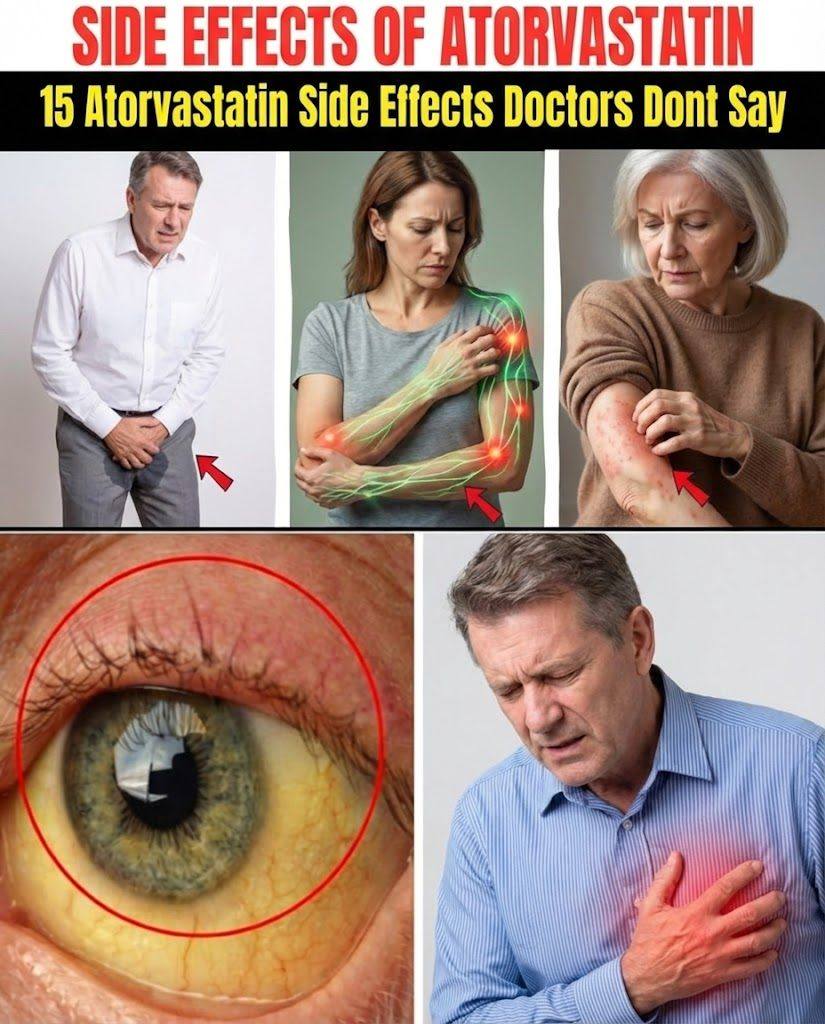
Atorvastatin is one of the most commonly prescribed medications for lowering cholesterol and reducing the risk of heart disease. While it has helped millions of people manage their cardiovascular health, it’s important to understand that this medication can come with side effects—some of which are not always openly discussed. Being informed allows you to make better decisions about your health and recognize when something might be wrong.
Here are 15 potential side effects of atorvastatin you should be aware of:
1. Muscle Pain and Weakness
One of the most well-known side effects is muscle discomfort. This can range from mild soreness to severe pain and weakness, which may interfere with daily activities.
2. Rhabdomyolysis (Severe Muscle Breakdown)
In rare cases, atorvastatin can lead to a serious condition where muscle tissue breaks down rapidly, releasing harmful substances into the bloodstream that can damage the kidneys.
3. Liver Damage
Atorvastatin affects the liver, where cholesterol is produced. Some individuals may develop elevated liver enzymes, indicating stress or damage to the liver.
4. Digestive Problems
Common complaints include nausea, diarrhea, constipation, and stomach pain. These symptoms may appear early and sometimes improve over time.
5. Memory Loss or Confusion
Some users report cognitive issues such as forgetfulness or confusion. Although not fully understood, these symptoms may be linked to how cholesterol functions in the brain.
6. Increased Blood Sugar Levels
Atorvastatin may raise blood sugar levels, increasing the risk of developing type 2 diabetes, especially in people who are already predisposed.
7. Fatigue and Weakness
Persistent tiredness or lack of energy can occur, even without significant physical exertion.
8. Sleep Disturbances
Some individuals experience insomnia or disrupted sleep patterns after starting the medication.
9. Headaches
Frequent or persistent headaches may develop as the body adjusts to the drug.
10. Allergic Reactions
Although rare, allergic reactions such as rash, itching, swelling, or difficulty breathing can occur and require immediate medical attention.
11. Kidney Problems
Indirect kidney issues can arise, particularly if muscle breakdown (rhabdomyolysis) occurs.
12. Hormonal Imbalances
Cholesterol is a building block for hormones. Lowering it excessively may affect hormone production in some individuals.
13. Nerve Damage (Peripheral Neuropathy)
Some users report tingling, numbness, or burning sensations in the hands and feet, which may indicate nerve involvement.
14. Tendon Problems
There have been reports of tendon pain or even rupture, especially in older adults or those engaging in intense physical activity.
15. Reduced Coenzyme Q10 (CoQ10) Levels
Atorvastatin may lower CoQ10, a compound important for energy production in cells. This reduction may contribute to muscle pain and fatigue.
A Natural Support “Recipe” for Managing Side Effects
While you should never stop or change your medication without consulting your doctor, you can support your body with a simple, natural routine:
Ingredients:
-
1 glass of warm water
-
1 teaspoon fresh lemon juice
-
1 teaspoon honey
-
A pinch of turmeric
-
1/2 teaspoon grated ginger
Instructions:
-
Warm the water (do not boil).
-
Add lemon juice, honey, turmeric, and ginger.
-
Stir well and drink in the morning on an empty stomach.
Benefits:
-
Supports liver function
-
Helps reduce inflammation
-
May ease digestive discomfort
-
Boosts overall energy levels
Final Thoughts
Atorvastatin can be a life-saving medication, but it’s not without risks. The key is awareness and balance. If you notice unusual symptoms, don’t ignore them—consult your healthcare provider promptly. Regular blood tests, healthy eating, and lifestyle changes can help minimize side effects and improve overall well-being.
