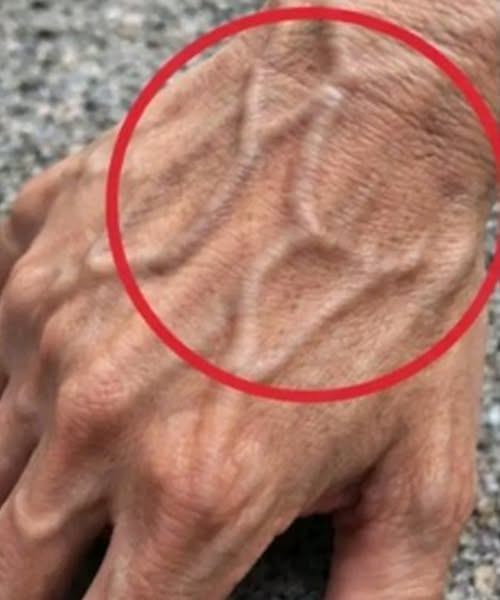
Visible veins often catch people’s attention—especially when they appear more prominent on the hands, arms, or legs. Many assume that clearly visible veins are a sign of poor circulation or an underlying health problem. But is that really true? The answer is more nuanced than a simple yes or no.
🚀 Make Money Online – Up to $50 Per Day!
Let’s explore what visible veins actually mean, when they are completely normal, and when they might signal something worth checking.
First, it’s important to understand what veins do. Veins are blood vessels responsible for carrying deoxygenated blood back to the heart. Unlike arteries, which are thicker and deeper, veins are often closer to the surface of the skin. Because of this, they can sometimes be seen through the skin—especially under certain conditions.
In many cases, visible veins are completely normal and even healthy. Several factors can make veins more noticeable. One of the most common is low body fat. When a person has less fat beneath the skin, there is less tissue covering the veins, making them easier to see. This is why athletes, bodybuilders, and lean individuals often have very prominent veins, especially during or after exercise.
Another factor is skin tone. People with lighter or thinner skin may naturally have more visible veins. As we age, the skin becomes thinner and loses some of its elasticity, which can also make veins appear more prominent. This is a normal part of aging and not necessarily a sign of poor circulation.
Temperature and physical activity also play a role. When you exercise or are exposed to heat, your blood vessels dilate (expand) to help regulate body temperature. This increased blood flow can make veins temporarily more visible. After cooling down or resting, they usually return to their usual appearance.
Hydration levels can influence vein visibility as well. When you’re well-hydrated, blood volume is slightly higher, and veins may appear fuller. Conversely, dehydration can sometimes make veins appear more pronounced due to reduced fluid in surrounding tissues.
Now, let’s address the main concern: does having visible veins mean poor circulation? In most cases, the answer is no. Prominent veins are usually not a sign of poor blood flow. In fact, they can sometimes indicate the opposite—efficient circulation and healthy vascular function, especially in physically active individuals.
However, there are situations where visible veins could be linked to a medical condition. One of the most common is varicose veins. These are enlarged, twisted veins that often appear on the legs. They occur when the valves inside the veins weaken or fail, causing blood to pool instead of flowing properly back to the heart. Varicose veins may be accompanied by symptoms such as aching, heaviness, swelling, or a burning sensation in the legs.
Another related condition is spider veins, which are smaller, web-like veins visible near the surface of the skin. While usually harmless, they can sometimes indicate mild circulation issues.
Chronic venous insufficiency is a more serious condition where veins have trouble sending blood from the limbs back to the heart. This can lead to swelling, skin changes, and discomfort. In such cases, visible veins are often just one of several symptoms.
It’s also worth noting that sudden changes in vein appearance should not be ignored. If veins become suddenly more prominent, painful, or are accompanied by redness, warmth, or swelling, it could indicate a problem such as a blood clot or inflammation (phlebitis). These situations require prompt medical attention.
So how can you tell the difference between normal visible veins and a potential problem? Pay attention to symptoms. If your veins are visible but you feel no pain, swelling, or discomfort, it’s likely just a normal variation. On the other hand, if you experience persistent pain, leg fatigue, swelling, or skin discoloration, it’s a good idea to consult a healthcare professional.
Maintaining good circulation is important for overall health, regardless of how your veins look. Simple lifestyle habits can help support healthy blood flow. Regular physical activity, such as walking or stretching, encourages circulation. Staying hydrated, maintaining a balanced diet, and avoiding long periods of sitting or standing can also make a difference.
Wearing compression stockings may be helpful for individuals who are prone to varicose veins or spend long hours on their feet. Elevating the legs when resting can also improve blood flow back to the heart.
In conclusion, visible veins are usually a normal and harmless feature influenced by factors like body composition, skin type, age, and activity level. They do not automatically mean that circulation is poor. In fact, in many cases, they are simply a sign of the body functioning as it should.
However, it’s important to stay aware of any accompanying symptoms or sudden changes. When in doubt, seeking medical advice is always the safest approach. Understanding your body and what’s normal for you is the key to distinguishing between harmless variations and potential health concerns.
