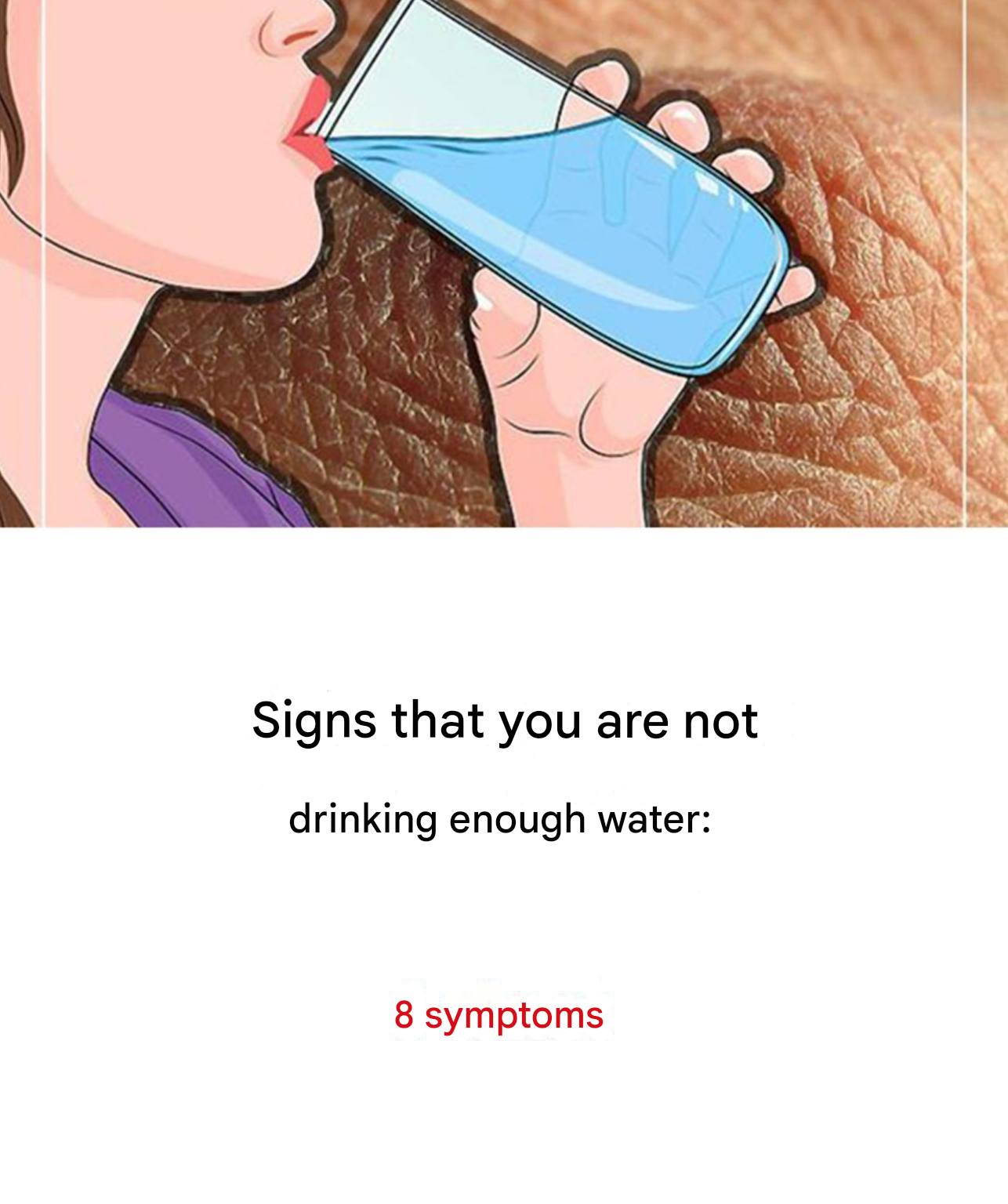
Water is the essence of life. Every cell, tissue, and organ in your body relies on it to function properly. Yet, despite knowing this, many people fail to drink enough water daily. The consequences may start subtly, but over time, dehydration can affect your health in serious ways. Understanding the effects of not drinking enough water can help you stay hydrated and protect your body from harm.
🚀 Make Money Online – Up to $50 Per Day!
1. Dehydration: The First Warning Sign
When your body doesn’t get enough water, dehydration sets in. This occurs when your body loses more fluids than it takes in. Even mild dehydration can cause noticeable symptoms, such as dry mouth, fatigue, headache, and dizziness. Your body becomes less efficient at regulating temperature and carrying out essential metabolic processes. If dehydration persists, it can lead to severe complications, including kidney stones, urinary tract infections, and even organ failure in extreme cases.
2. Impact on Your Energy Levels and Brain Function
Water is essential for optimal brain function. Studies have shown that even mild dehydration—losing as little as 1-2% of your body weight in water—can affect your cognitive performance. You may experience difficulty concentrating, slower reaction times, and impaired memory. Fatigue and mood swings are also common, as your brain struggles to operate efficiently without adequate hydration. Proper water intake ensures that neurotransmitters and oxygen flow smoothly, keeping your mind sharp and alert.
3. Digestive Problems
Water plays a critical role in digestion. It helps break down food, absorb nutrients, and move waste through the intestines. When you don’t drink enough water, you may experience constipation, bloating, and acid reflux. Chronic dehydration can also increase the risk of developing gastritis or kidney stones because waste products are not efficiently flushed out of the body. Drinking water regularly keeps your digestive system running smoothly and supports overall gastrointestinal health.
4. Effects on Skin and Appearance
Your skin is a reflection of your internal health, and dehydration can quickly take a toll. Lack of water reduces skin elasticity, making it appear dry, flaky, and more prone to wrinkles. Water helps maintain skin hydration, supports collagen production, and aids in the removal of toxins. Without sufficient hydration, your skin can look dull, and minor injuries or irritations may take longer to heal. For a healthy, radiant complexion, drinking water consistently is key.
5. Kidney Function and Urinary Health
The kidneys rely on water to filter waste and maintain electrolyte balance. Inadequate water intake forces your kidneys to work harder, concentrating urine and increasing the risk of kidney stones. Over time, chronic dehydration can contribute to kidney damage and urinary tract infections. Drinking sufficient water dilutes urine, flushes out toxins, and keeps the urinary tract healthy. Clear or pale-yellow urine is often a good indicator that your hydration levels are adequate.
6. Impaired Physical Performance
Athletes and active individuals are particularly vulnerable to the effects of dehydration. Water is essential for regulating body temperature, lubricating joints, and transporting nutrients to muscles. Even a slight decrease in hydration can lead to fatigue, muscle cramps, reduced endurance, and slower recovery times. During intense physical activity, dehydration can exacerbate the risk of heat exhaustion or heat stroke, which can be life-threatening if not addressed promptly.
7. Joint and Muscle Issues
Water acts as a lubricant for joints and helps maintain muscle function. When you don’t drink enough, joints may feel stiff, and muscles may cramp more easily. Chronic dehydration can increase the risk of injuries and worsen conditions such as arthritis. Proper hydration ensures that your joints remain flexible and your muscles perform optimally, reducing the likelihood of pain or strain.
8. Cardiovascular and Circulatory Strain
Blood is composed largely of water, so dehydration directly affects circulation. When your body is low on fluids, blood volume decreases, making the heart work harder to pump oxygen and nutrients throughout the body. This can lead to an increased heart rate, low blood pressure, and even dizziness or fainting. Chronic dehydration can also contribute to cardiovascular strain over time, highlighting the importance of consistent water intake.
9. Long-Term Health Risks
Over time, insufficient hydration can contribute to serious health problems. Chronic dehydration is associated with an increased risk of urinary tract infections, kidney stones, hypertension, and even impaired cognitive function in older adults. Maintaining proper hydration helps prevent these long-term complications and supports overall longevity and well-being.
Tips to Stay Hydrated
To prevent the negative effects of dehydration, aim for a consistent daily water intake. While the “8 glasses a day” rule is a good guideline, individual needs vary based on age, activity level, climate, and health conditions. Incorporate water-rich foods such as fruits and vegetables, and pay attention to signs of thirst, which is your body’s natural signal that it needs hydration.
Conclusion
Water is indispensable for your health, supporting everything from brain function and digestion to joint lubrication and kidney health. Failing to drink enough can lead to fatigue, cognitive decline, digestive issues, skin problems, and long-term organ stress. By making hydration a priority and listening to your body’s signals, you can maintain optimal health, energy, and vitality. Remember: water isn’t just a drink—it’s the foundation of life.
